Engagement
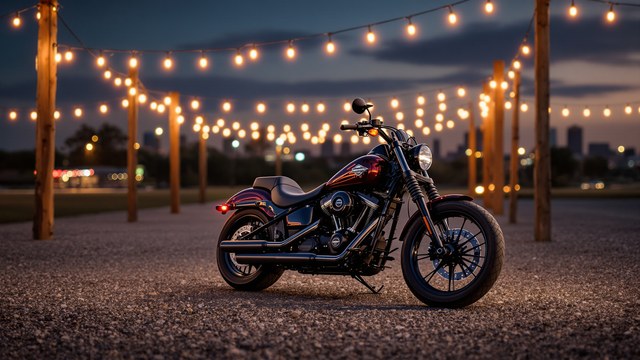
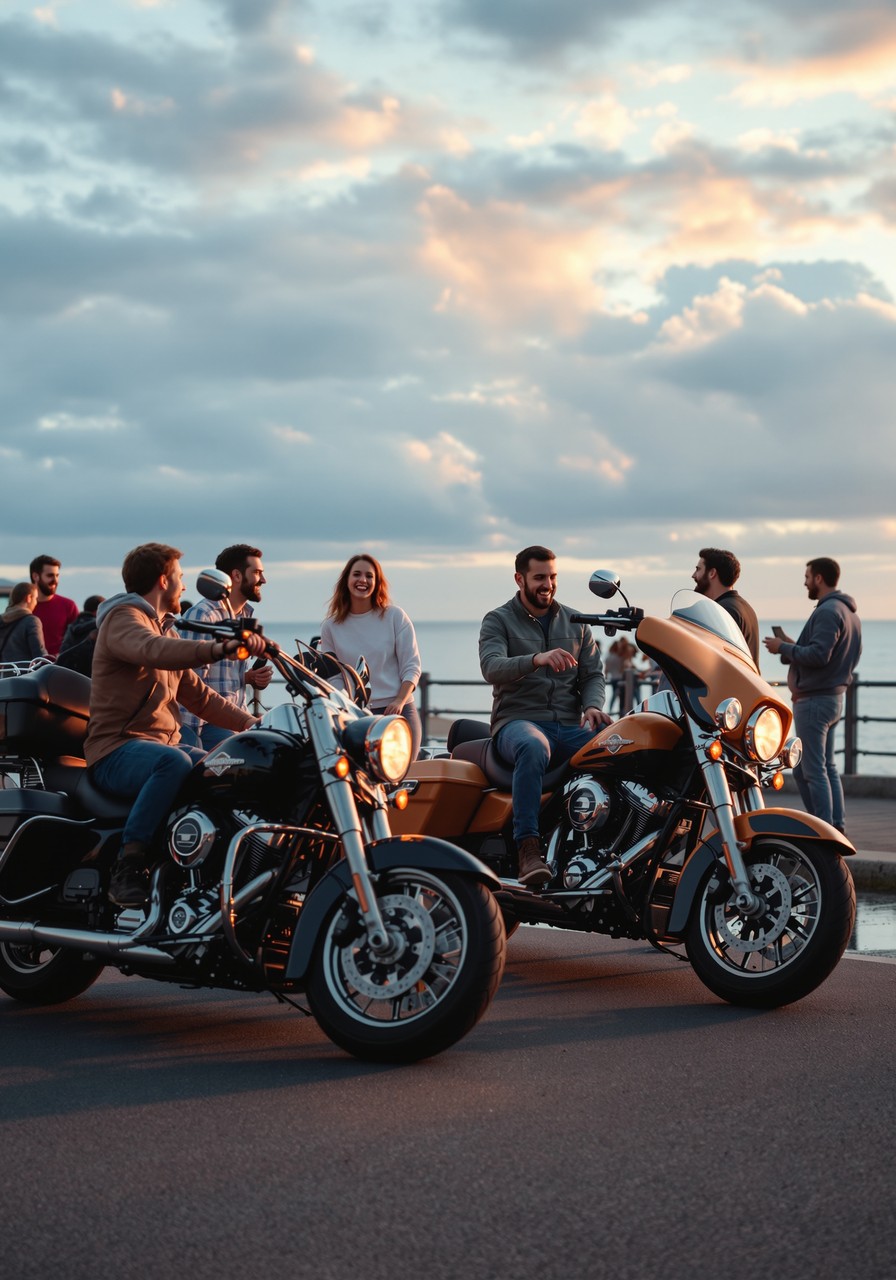
This or that: a Letchworth gorge run or Route 5 along Lake Erie. Pick one and tell us why. #RideNationNY #Letchworth #BuffaloRiders
Giveaway & Countdown
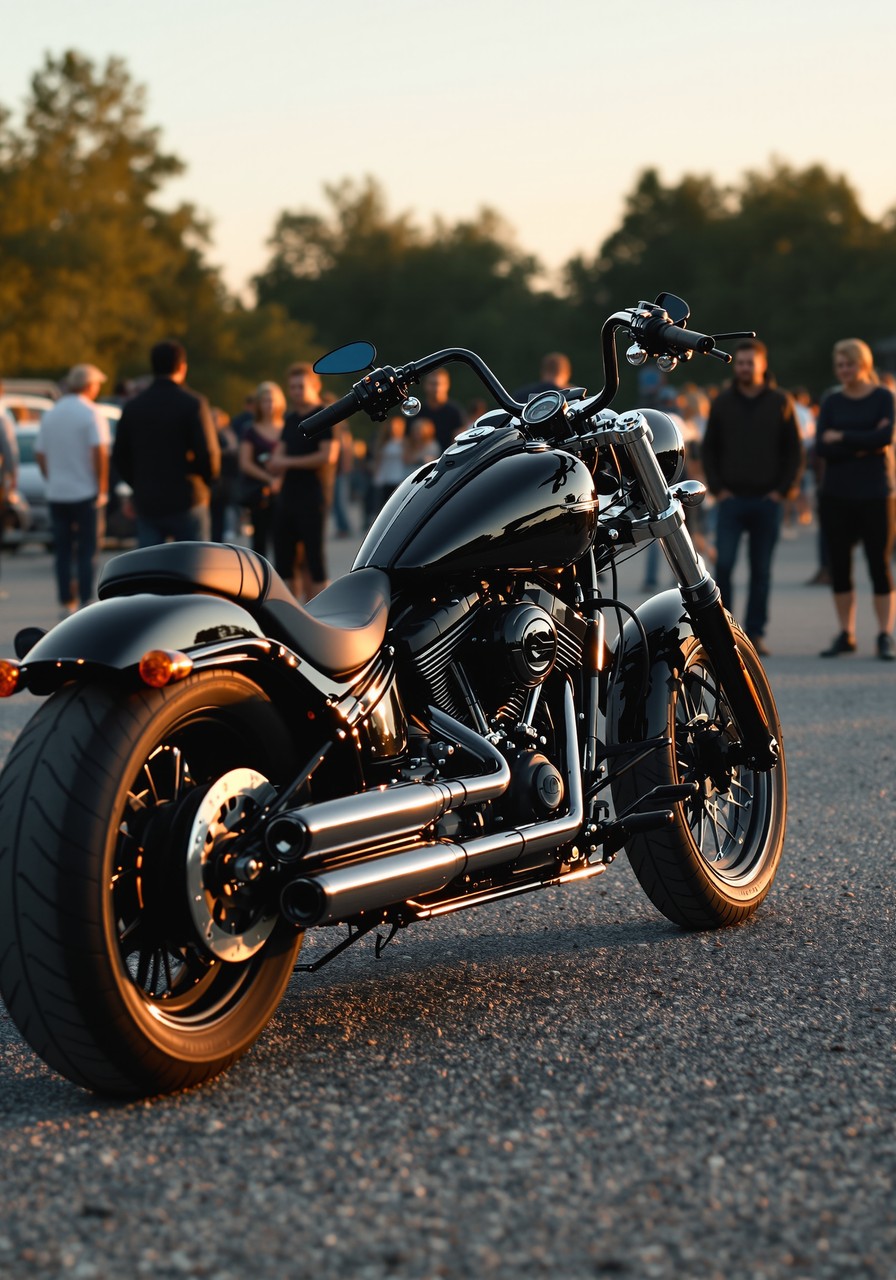
The BikersWin $20,000 motorcycle giveaway is on, Buffalo. Talk to The Nicotra Law Firm about your crash and you're entered, free. Call (716) 333-0043 to ask how. #RideNationNY #BikersWin #20kGiveaway
Local NY & Rides
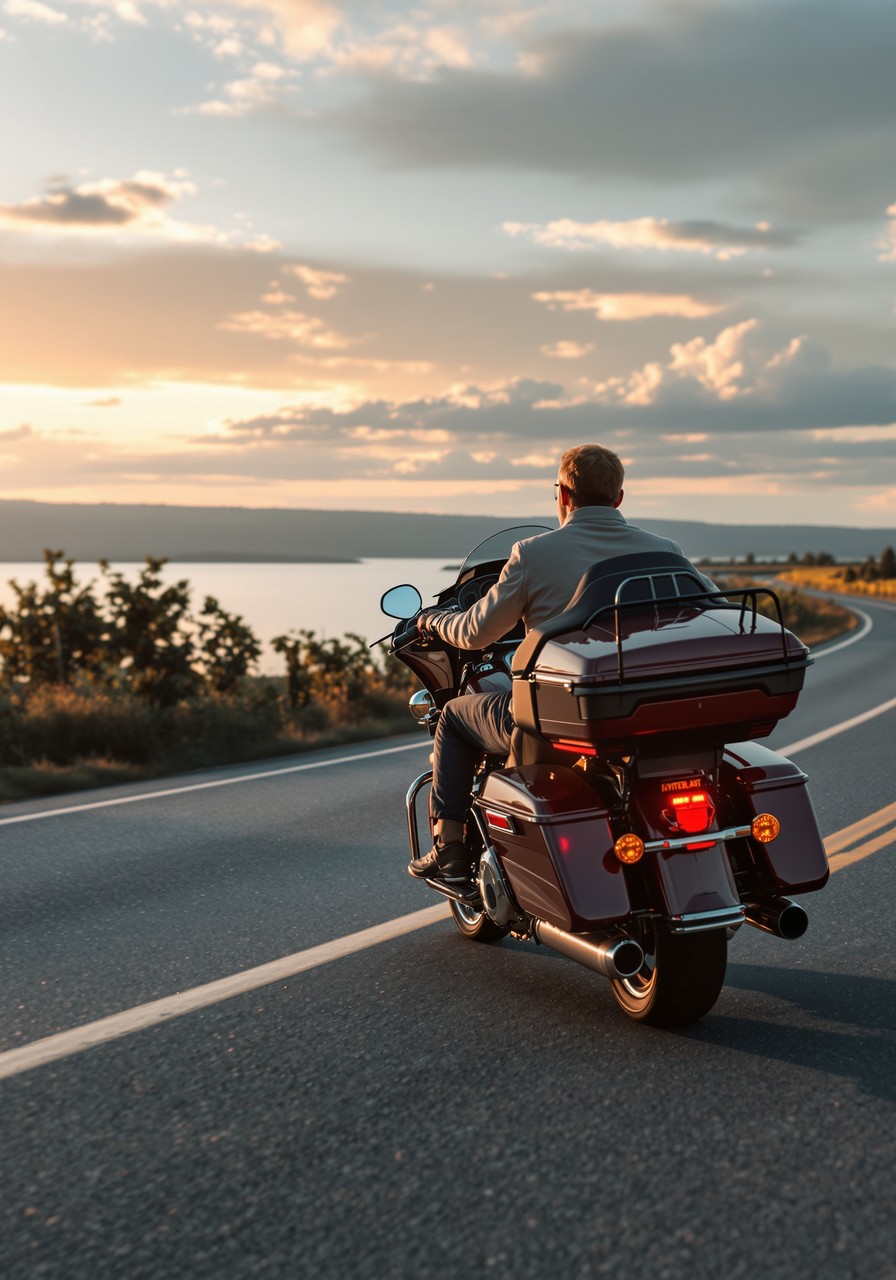
Route 5 along Lake Erie through Chautauqua wine country is a spring-list must. Open sweepers, lake on your left, a winery stop when the day is done. #RideNationNY #LakeErie #MotorcycleRoads #WNYRiders
Gear & New Iron
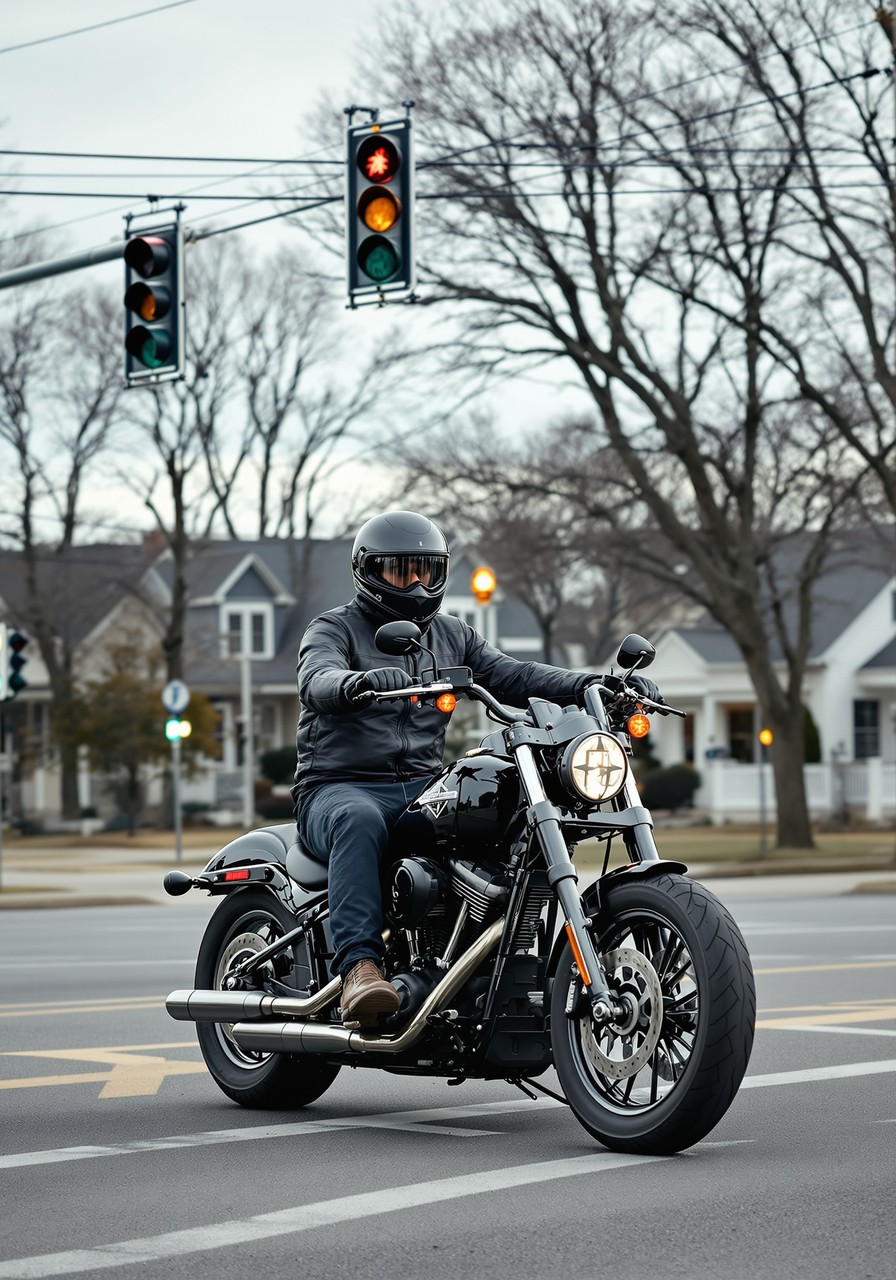
New York helmet reality: it is the law here for every rider and passenger, no exceptions. Check the DOT sticker before every ride. #RideNationNY #GearUp #ATGATT
Safety & NY Law
New York riders, here is what nobody tells you: no-fault PIP does not cover motorcyclists, so your own medical bills and lost wages are not covered the way a car driver's are. Questions? Call The Nicotra Law Firm at (716) 333-0043. #RideNationNY #RiderRights #NewYorkRiders
Engagement
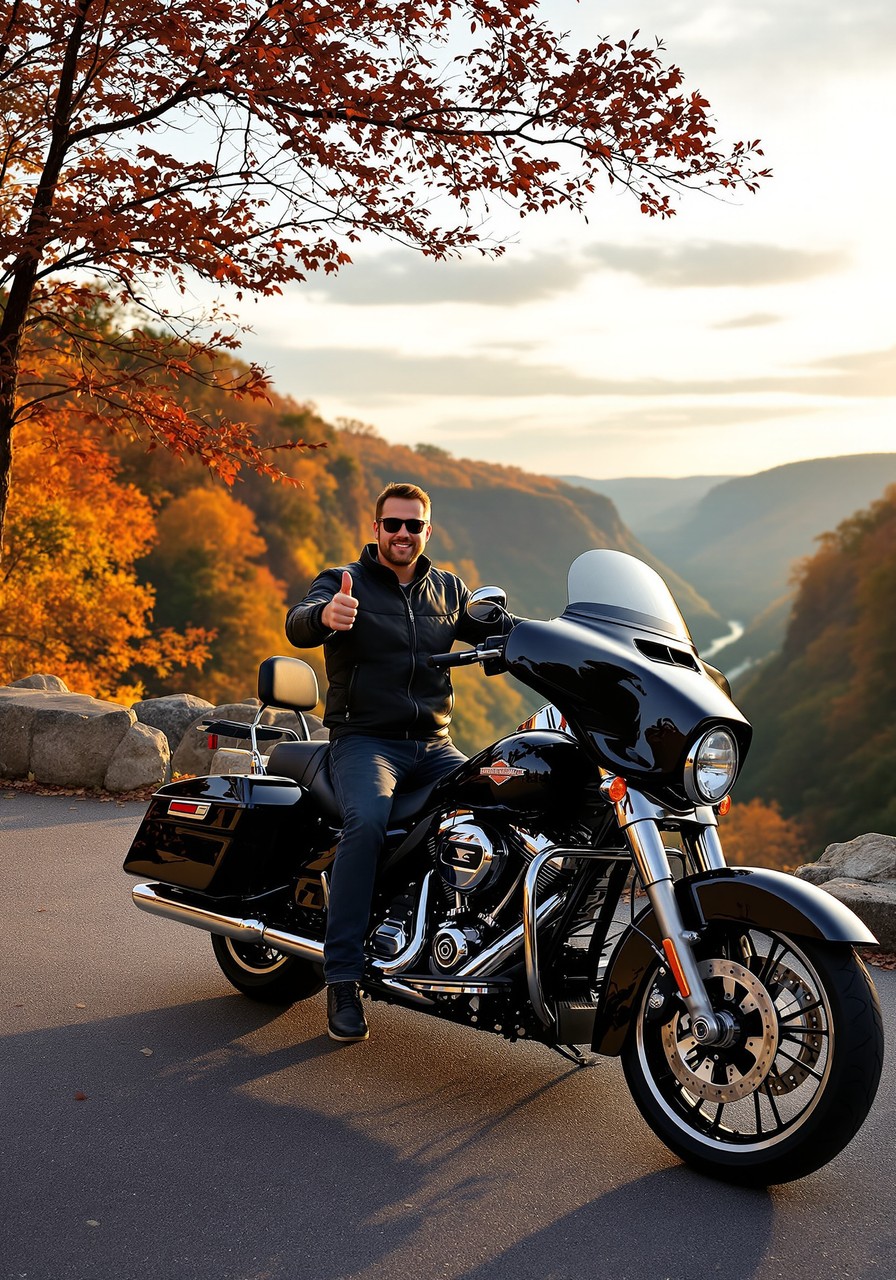
Tag the rider who got you into bikes. We will wait. #RideNationNY #RideOrDie #WNYRiders
Giveaway & Countdown
Been in a wreck? A free case review with The Nicotra Law Firm gets you an entry in the $20,000 motorcycle giveaway. No purchase, no catch. Dial (716) 333-0043. #RideNationNY #BikersWin #BuffaloRiders
Local NY & Rides
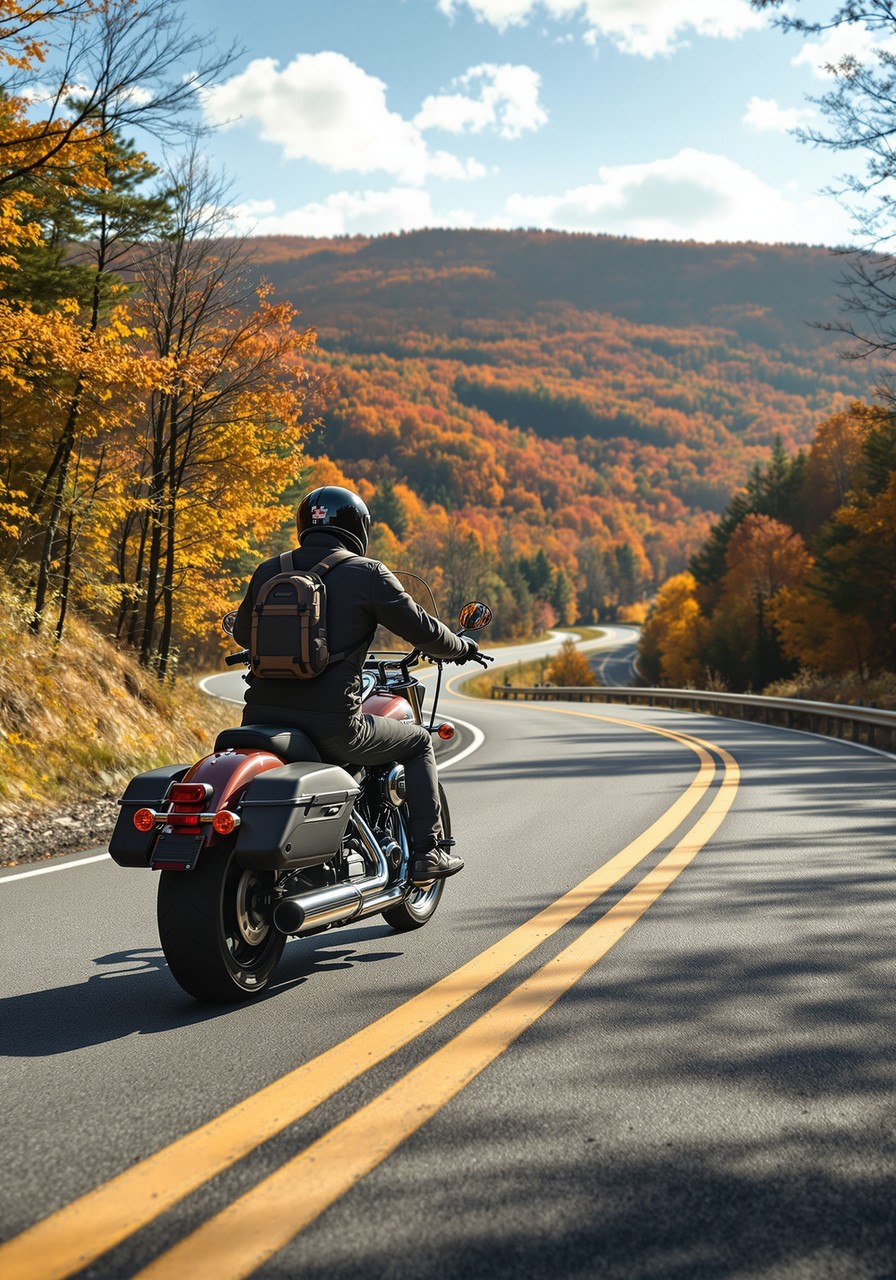
Zoar Valley and the Enchanted Mountains, quiet twisties and big trees. Put it at the top of the spring list. #RideNationNY #Ellicottville #WNYRiders
Gear & New Iron
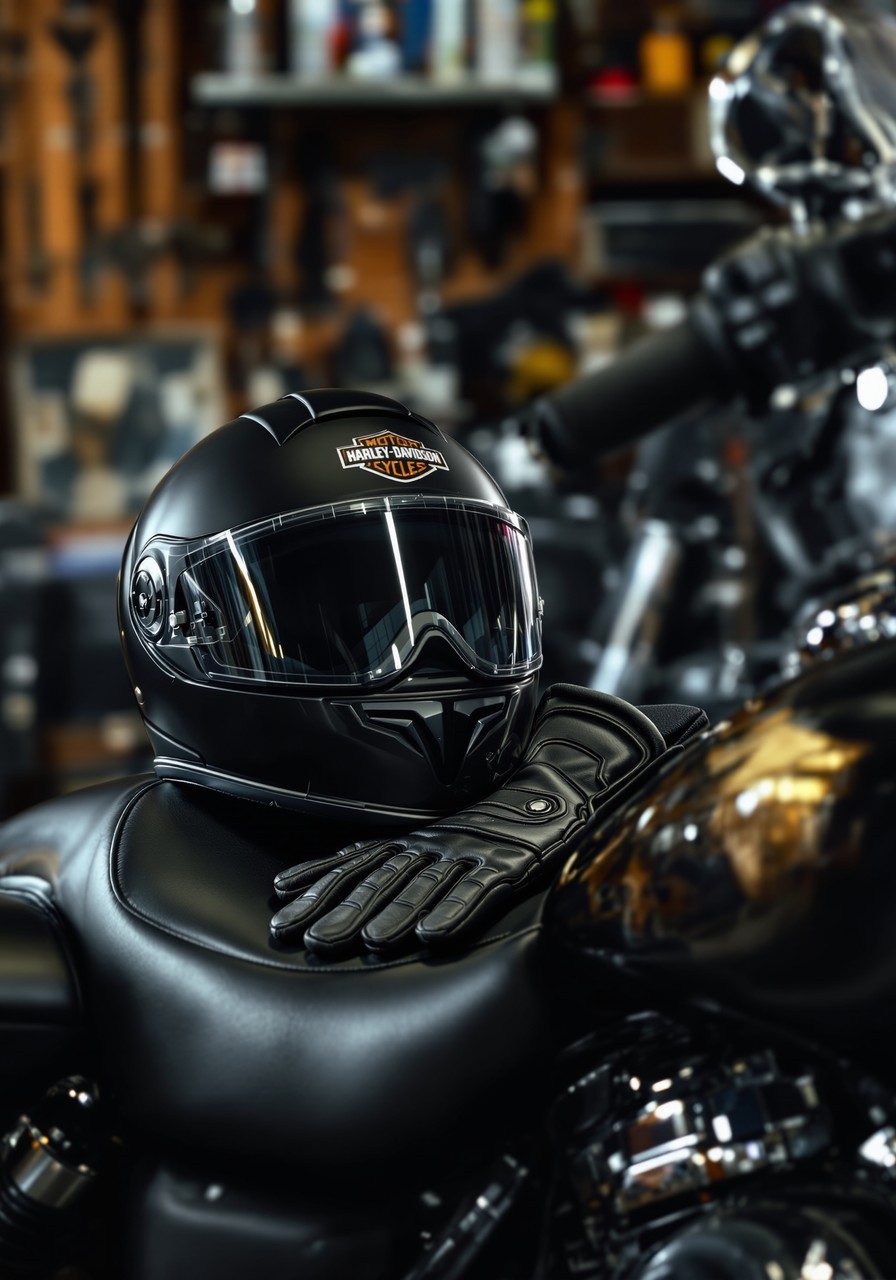
Dropped your helmet on concrete? Retire it. The foam inside compresses even when the shell looks fine. #RideNationNY #GearUp #RiderTips
Safety & NY Law
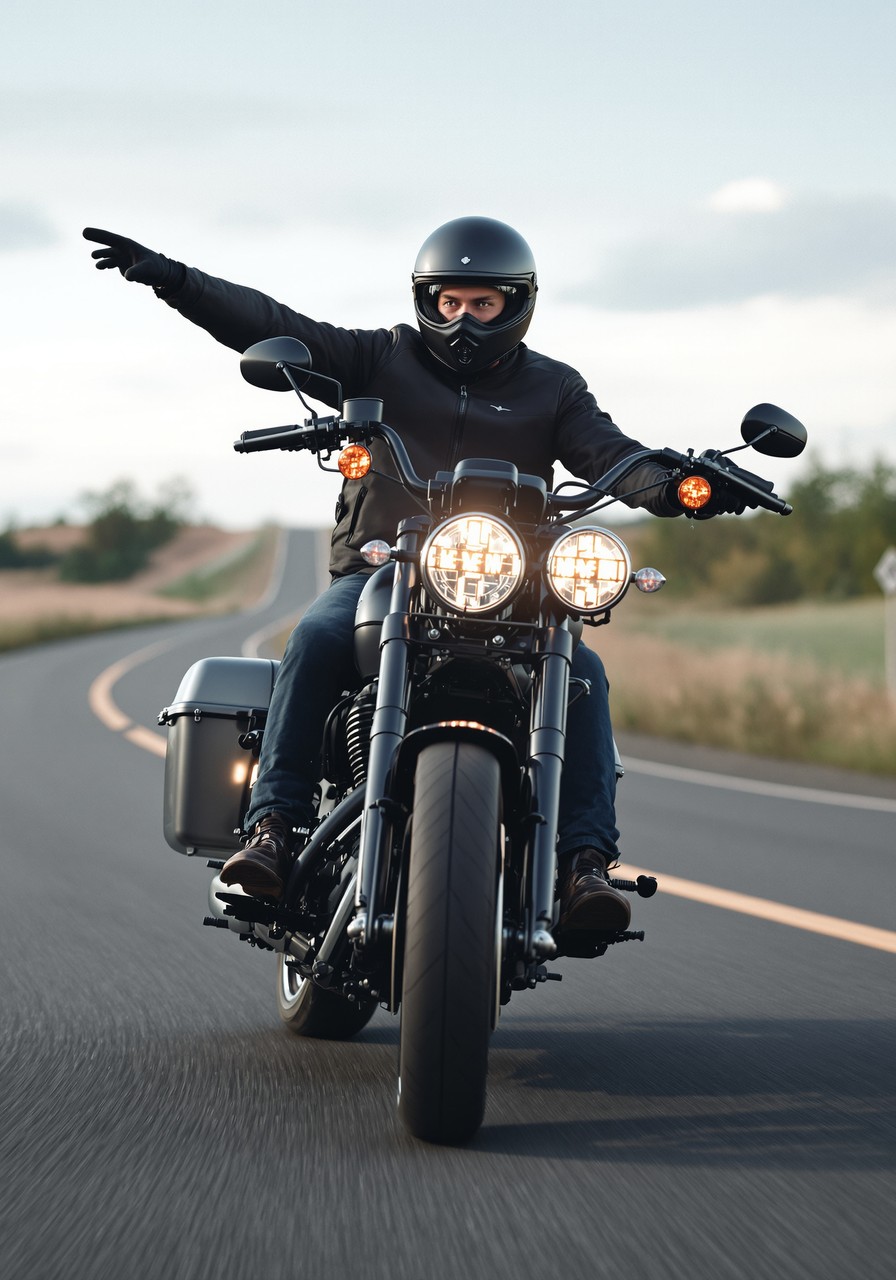
Hit on a bike in Buffalo? New York uses pure comparative negligence, so your recovery is reduced by your share of fault but never barred. Call (716) 333-0043 before you talk to an adjuster. #RideNationNY #KnowYourRights #BuffaloRiders
Engagement
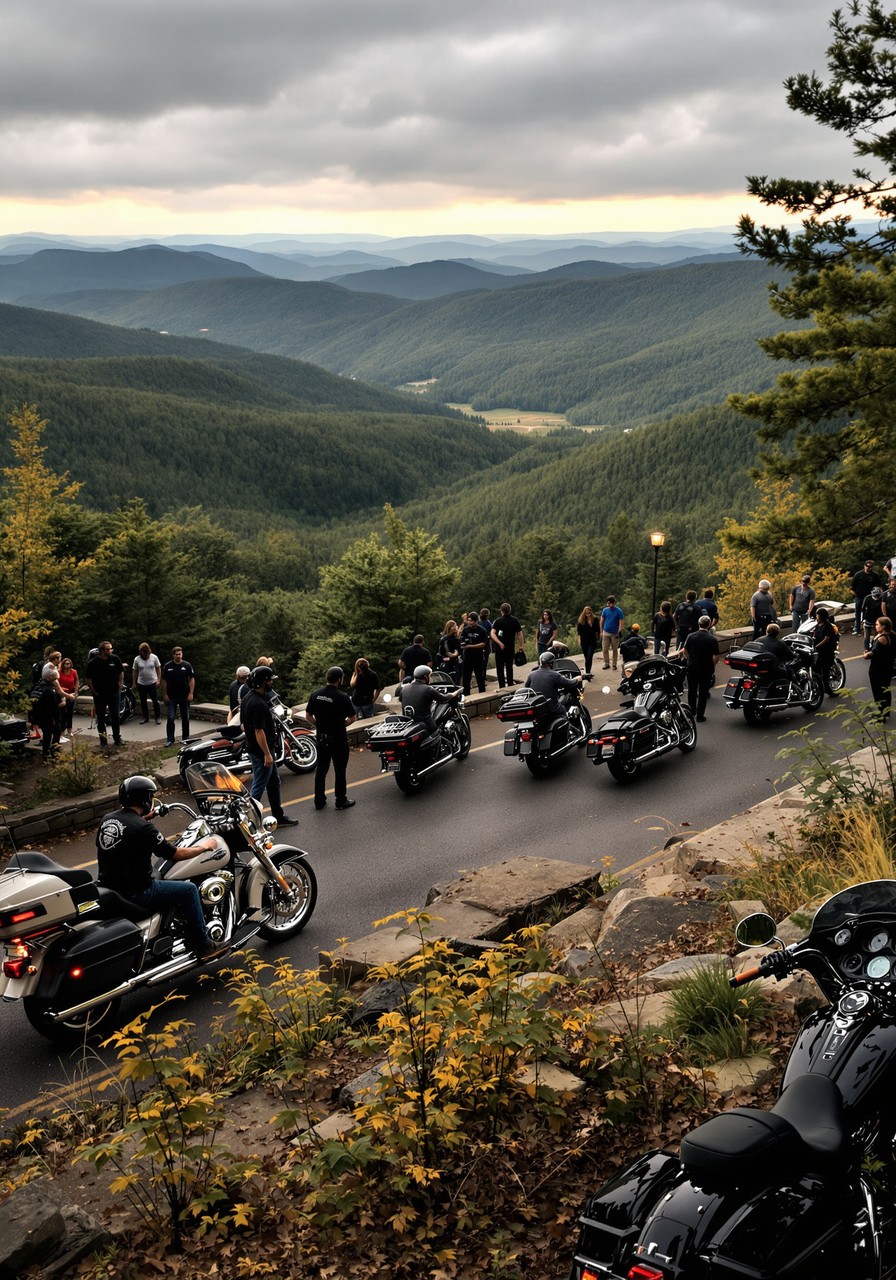
Lake-effect snow just showed up again. Where is your bike sitting right now: garage, shed, or basement? #RideNationNY #BuffaloRiders #TwoWheels
Giveaway & Countdown
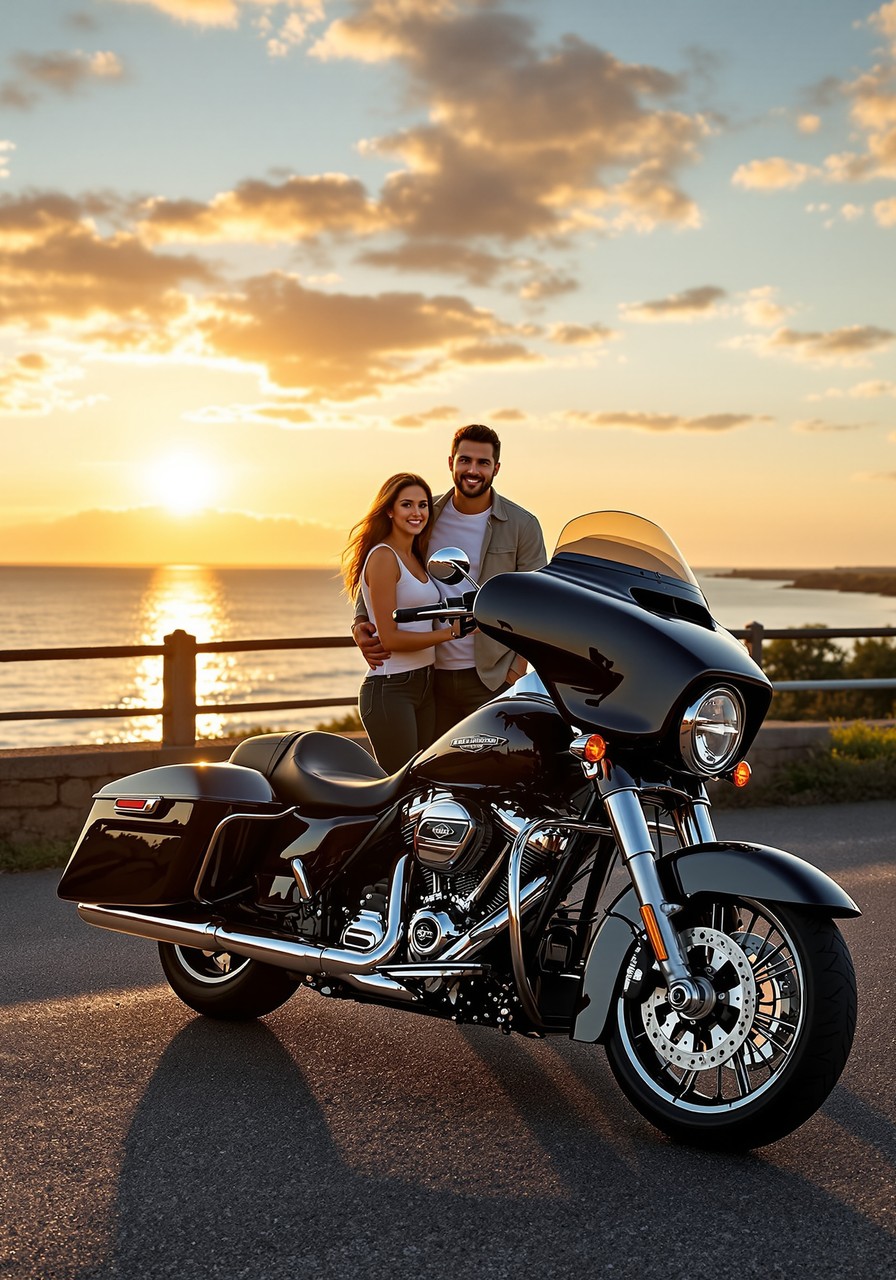
Countdown is on, Buffalo. Twenty thousand reasons to tag a riding buddy and get them in on it. #RideNationNY #MotorcycleGiveaway #BuffaloRiders
Local NY & Rides
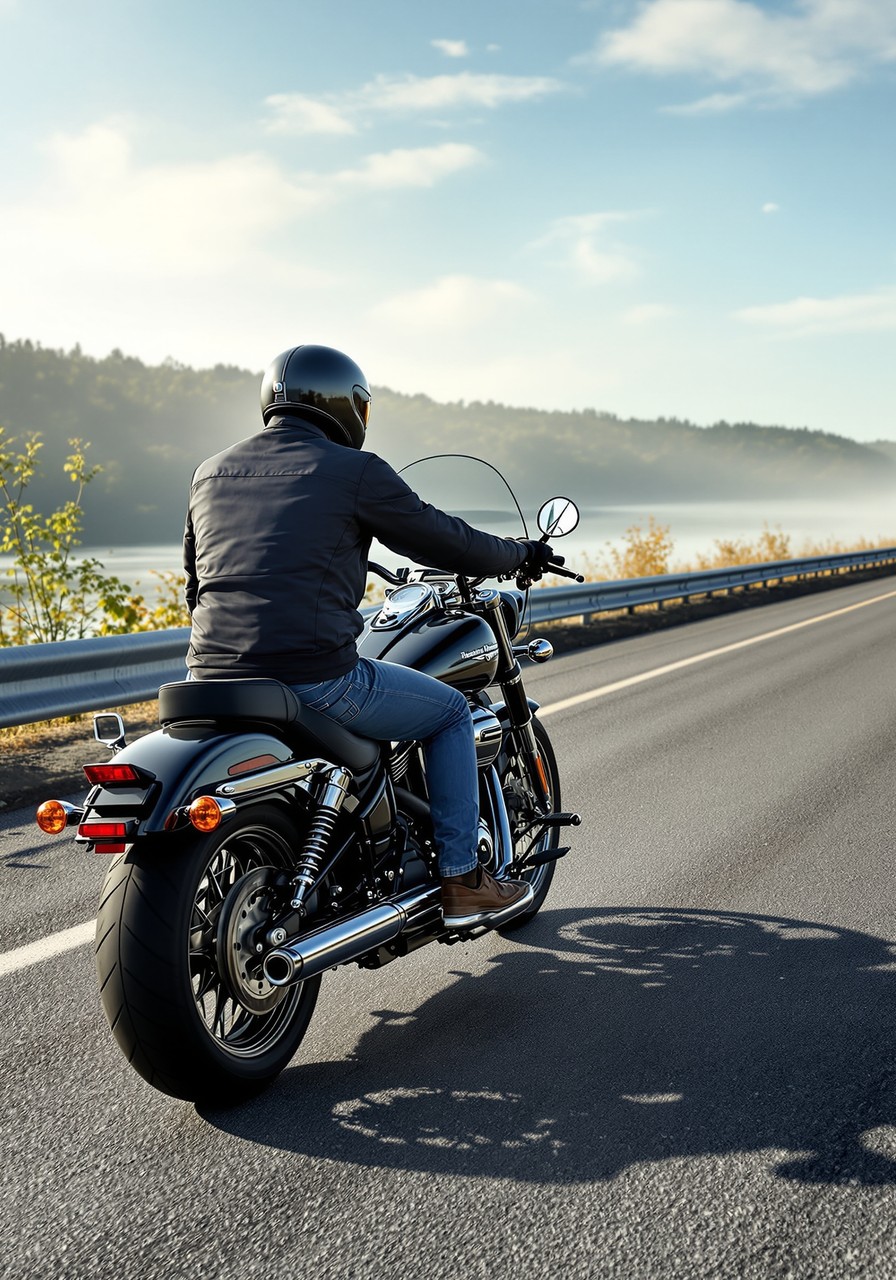
Reminder for the die-hards: the Skyway and the Grand Island bridge decks ice over before the streets do. Give them extra room on a cold morning. #RideNationNY #BuffaloRiders
Gear & New Iron
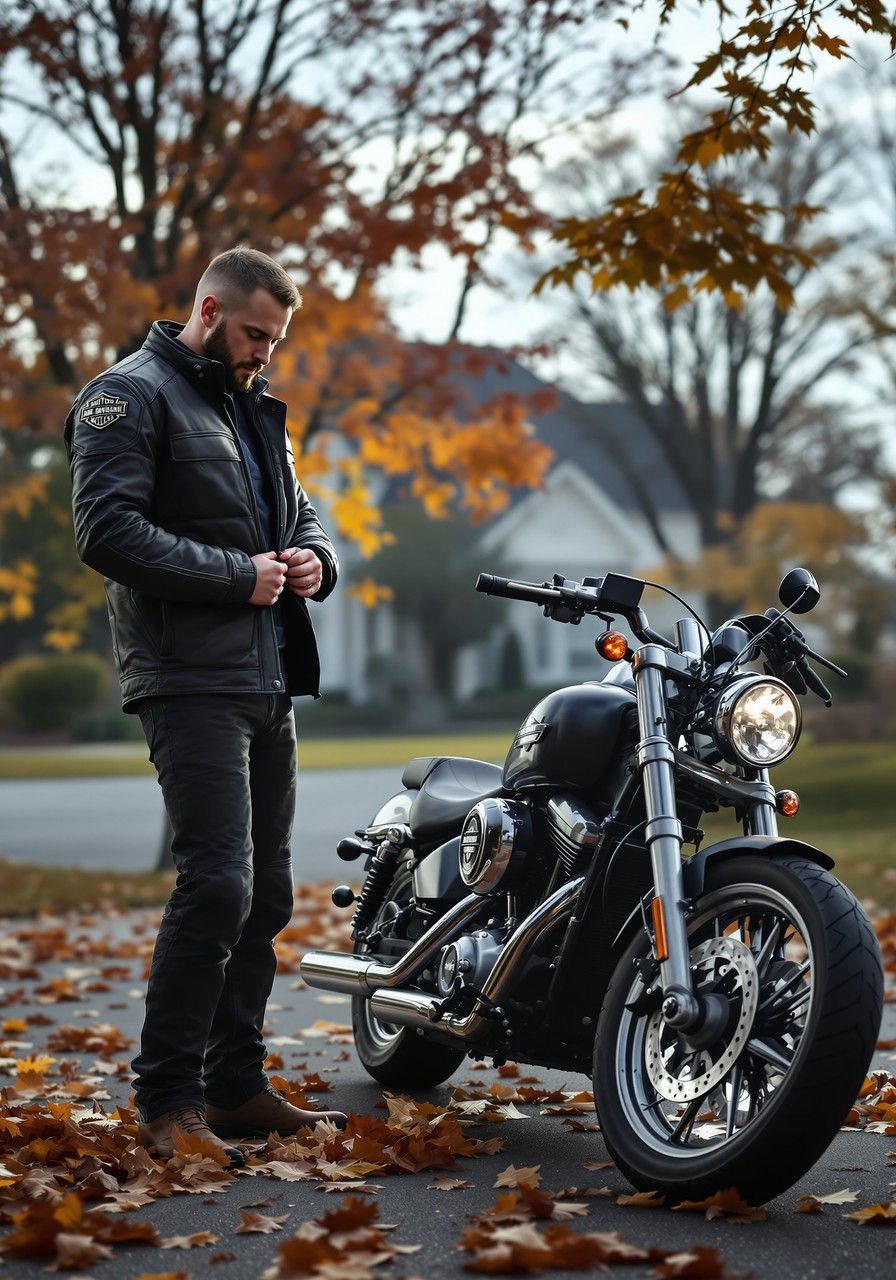
The 5-year helmet rule is real. Glues and liners break down with sweat and sun, so check the date on yours. #RideNationNY #GearUp #RiderTips #ATGATT
Safety & NY Law
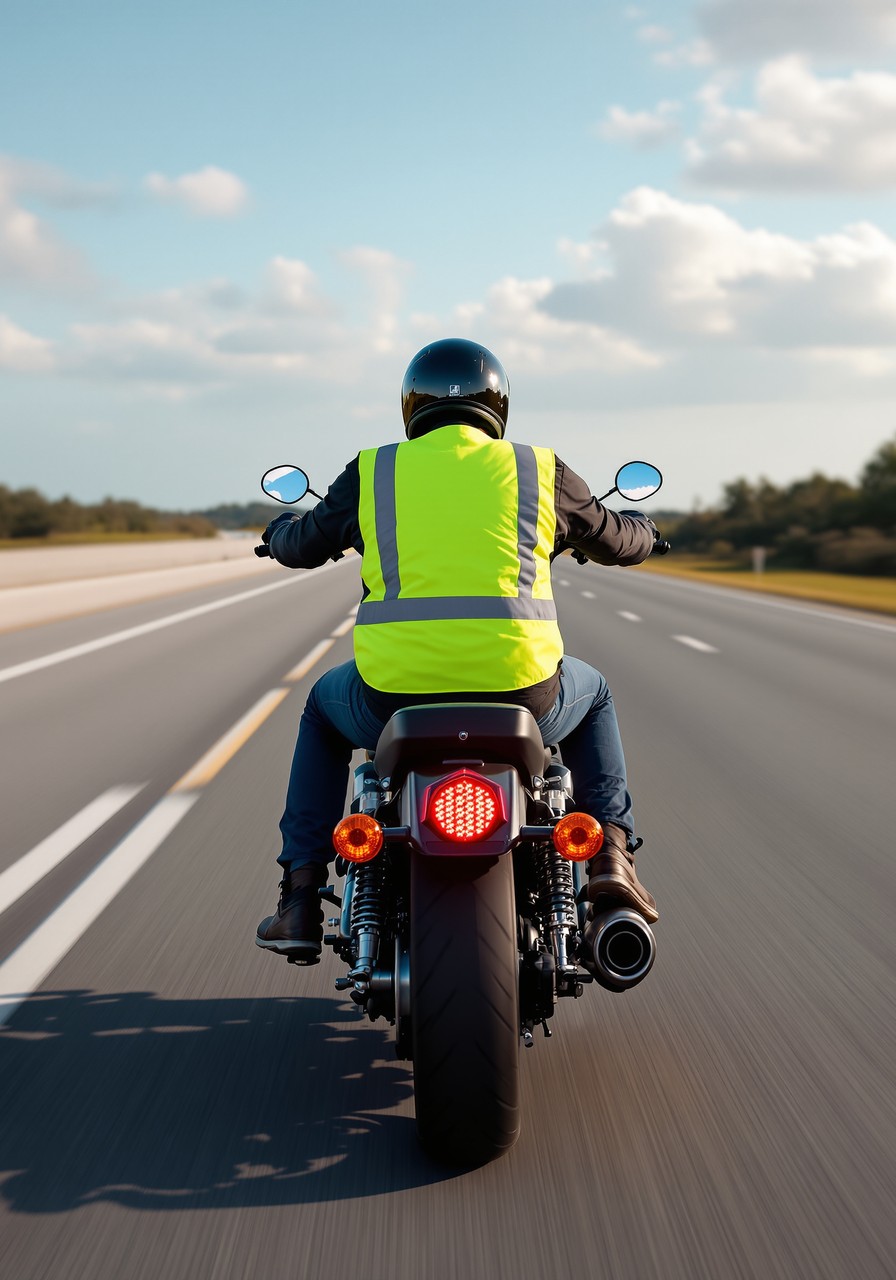
Uninsured or underinsured driver hit you? Required UM coverage is your real backstop in New York. Not sure what your policy carries? Call (716) 333-0043. #RideNationNY #RiderRights #NewYorkRiders
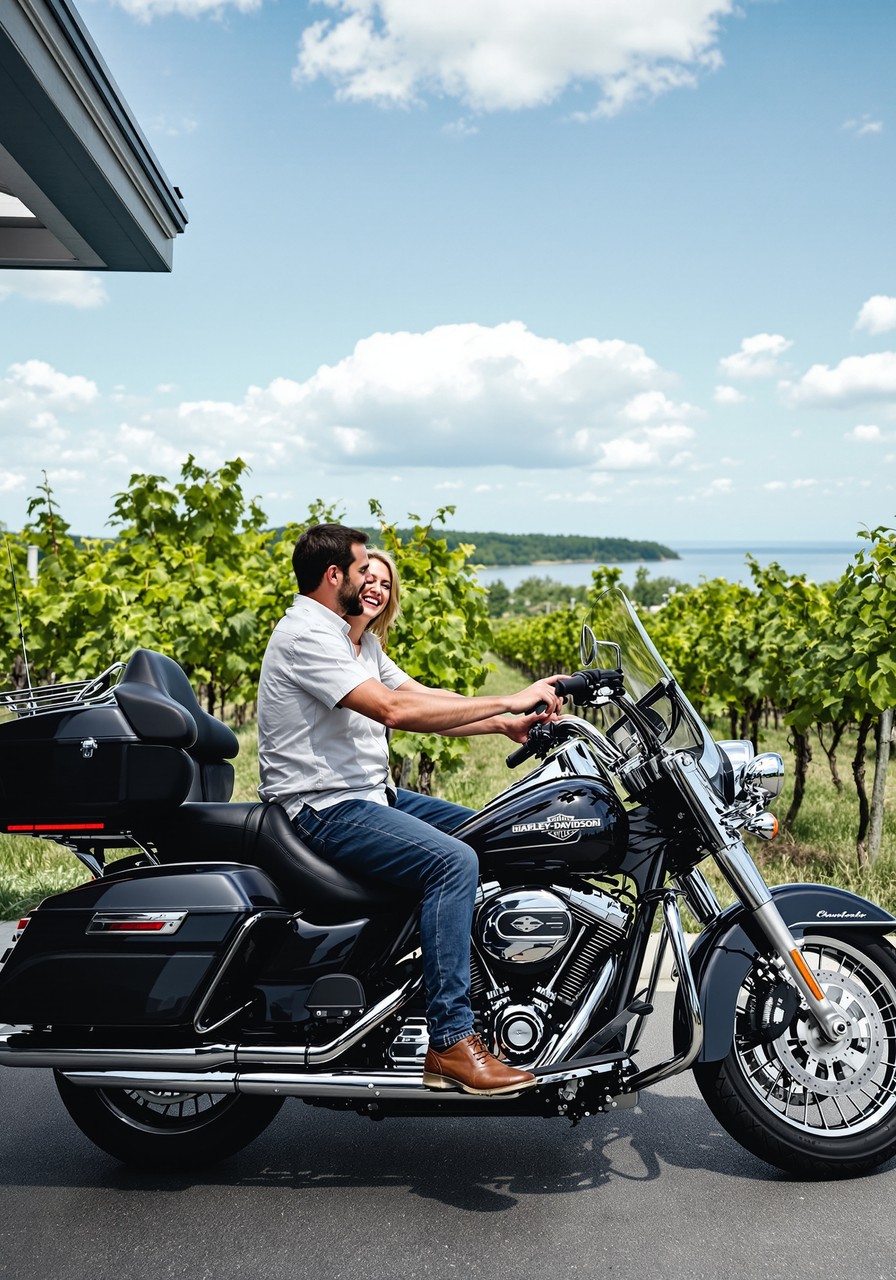
Engagement
Caption this: your bike staring out the garage window at the first snowfall. Best one wins bragging rights. #RideNationNY #WNYRiders #TwoWheels
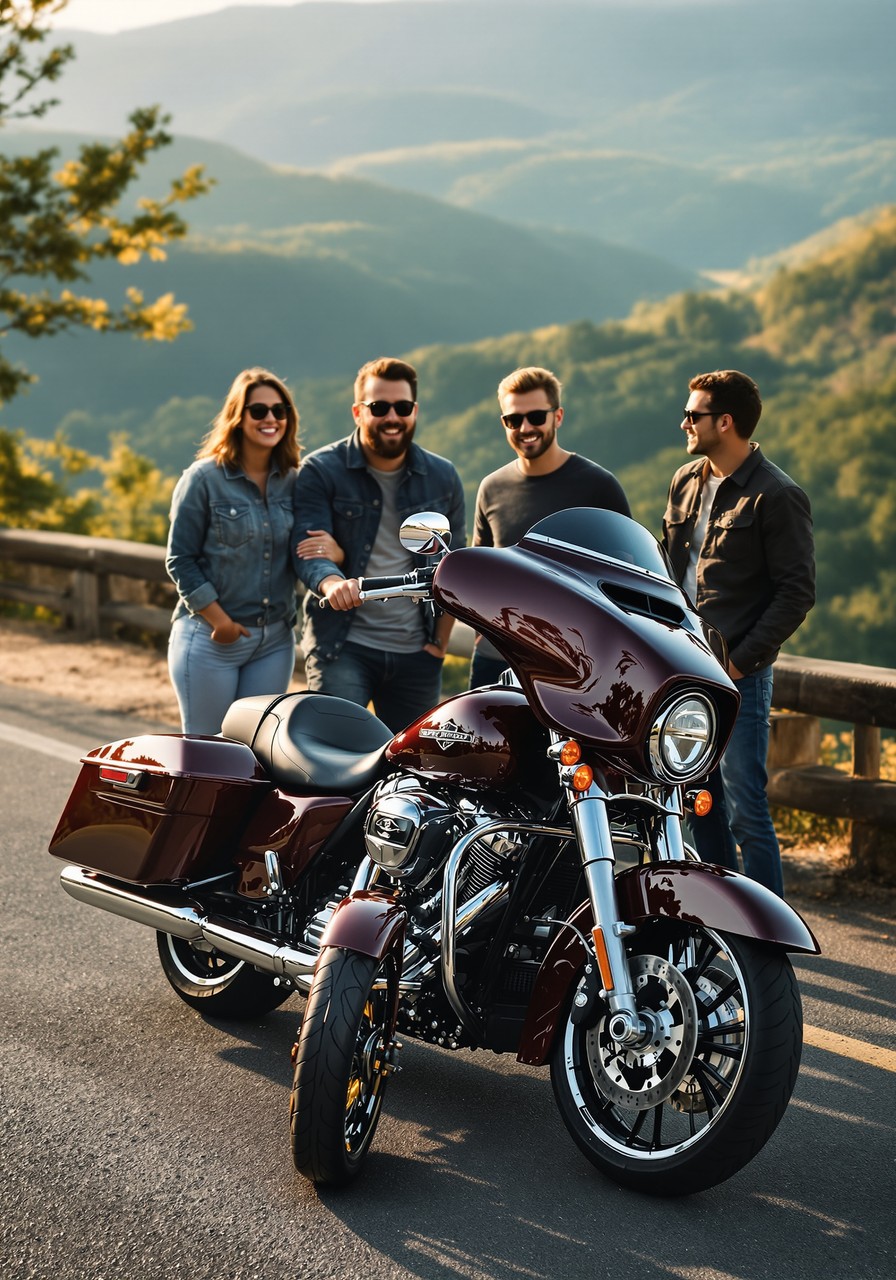
Giveaway & Countdown
Quick reminder, WNY riders: entering the BikersWin giveaway is free. Just talk with us about your claim. Questions? (716) 333-0043. #RideNationNY #BikersWin #WNYRiders
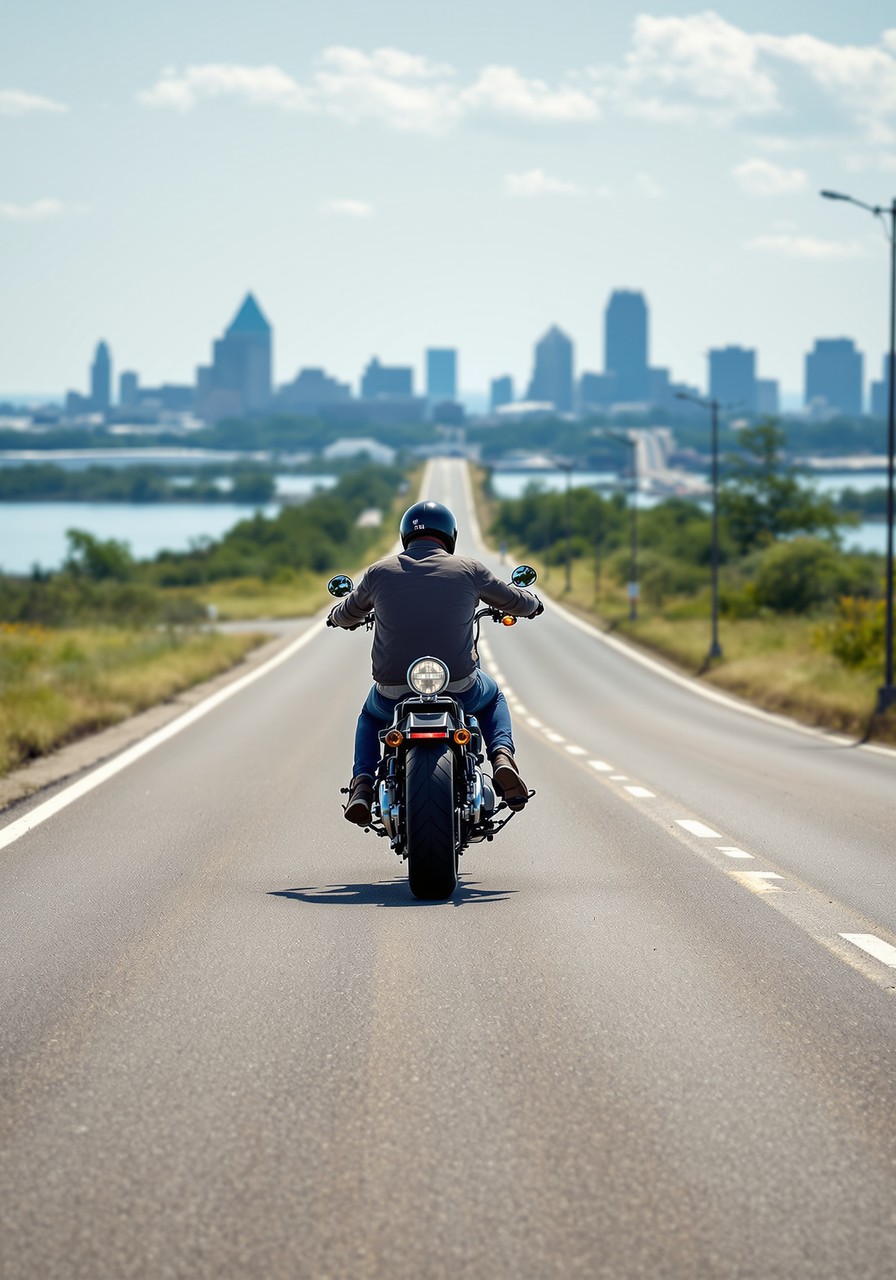
Local NY & Rides
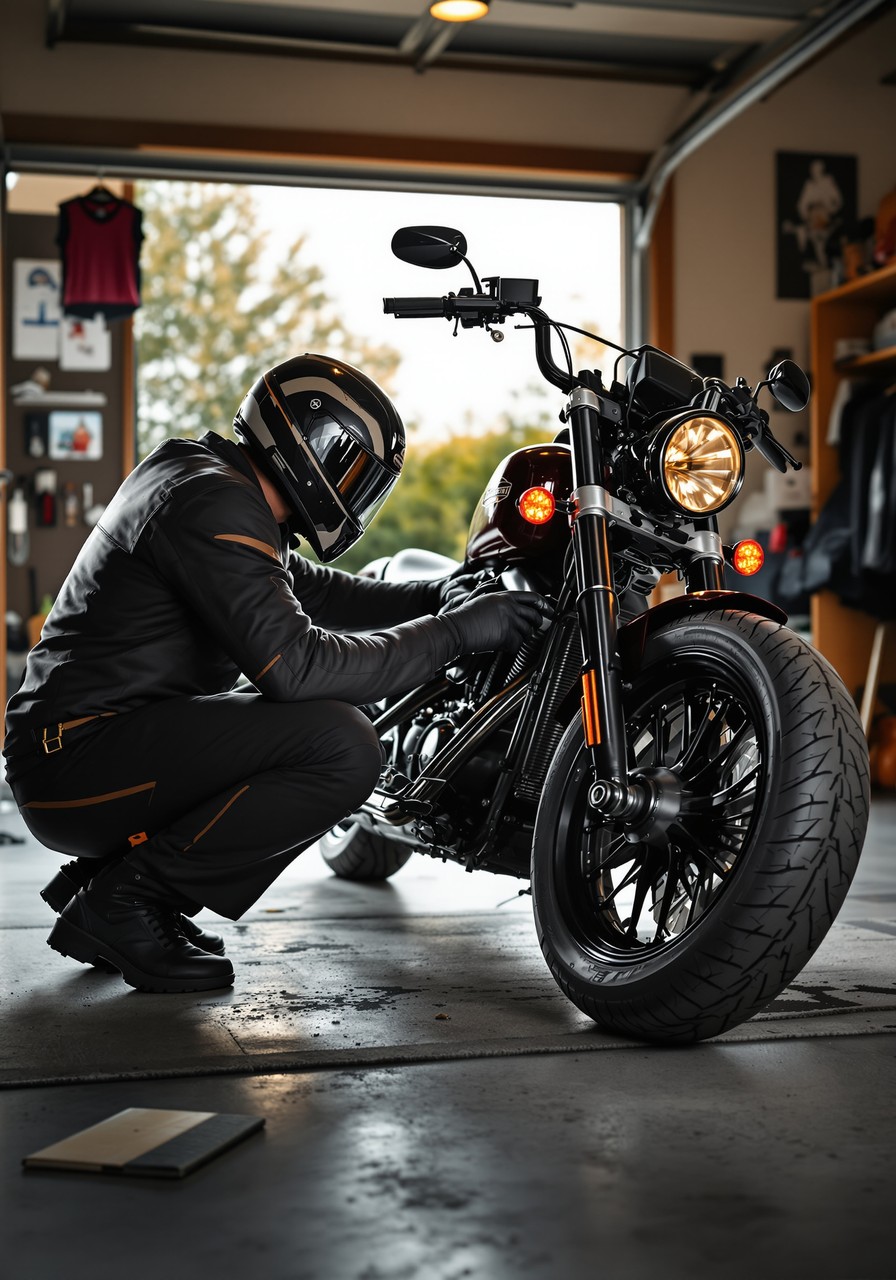
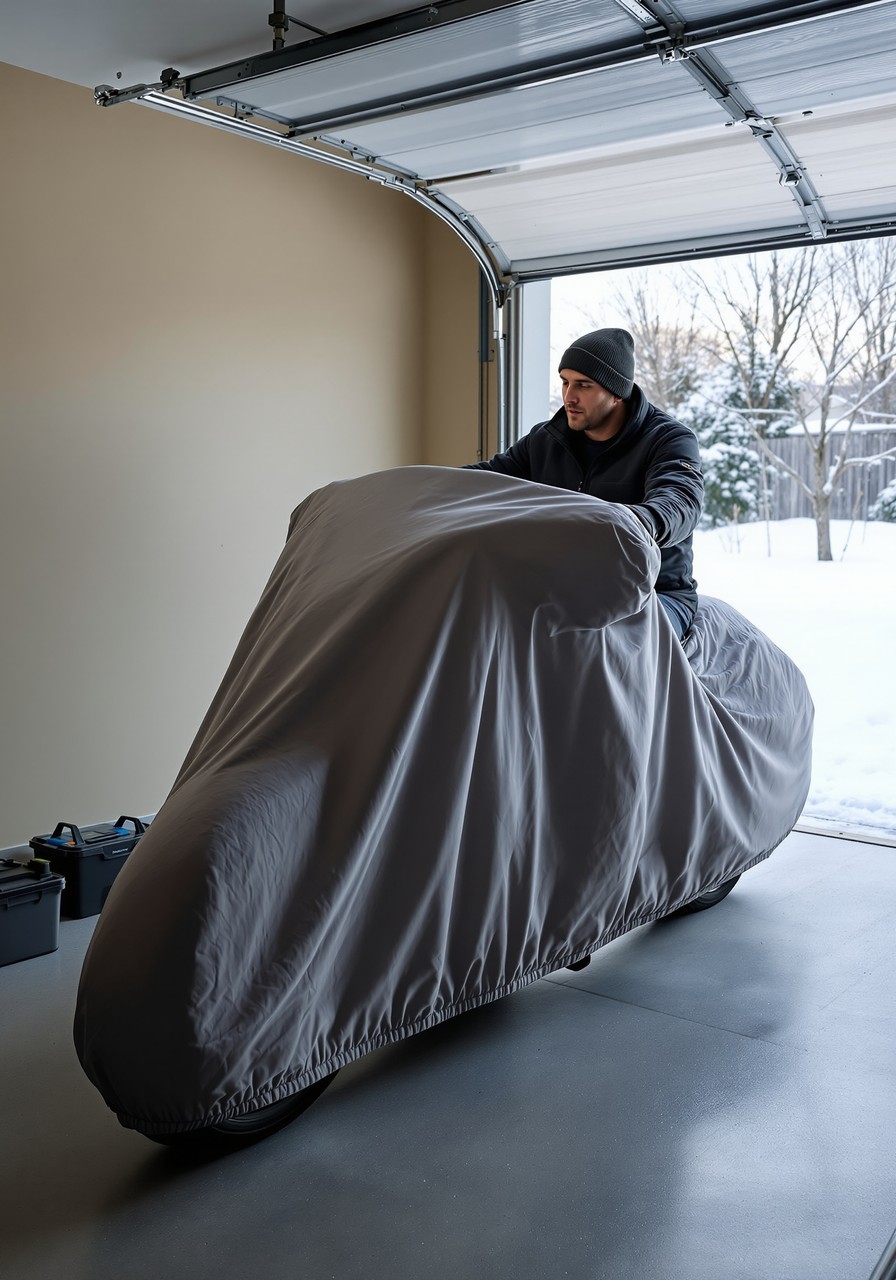
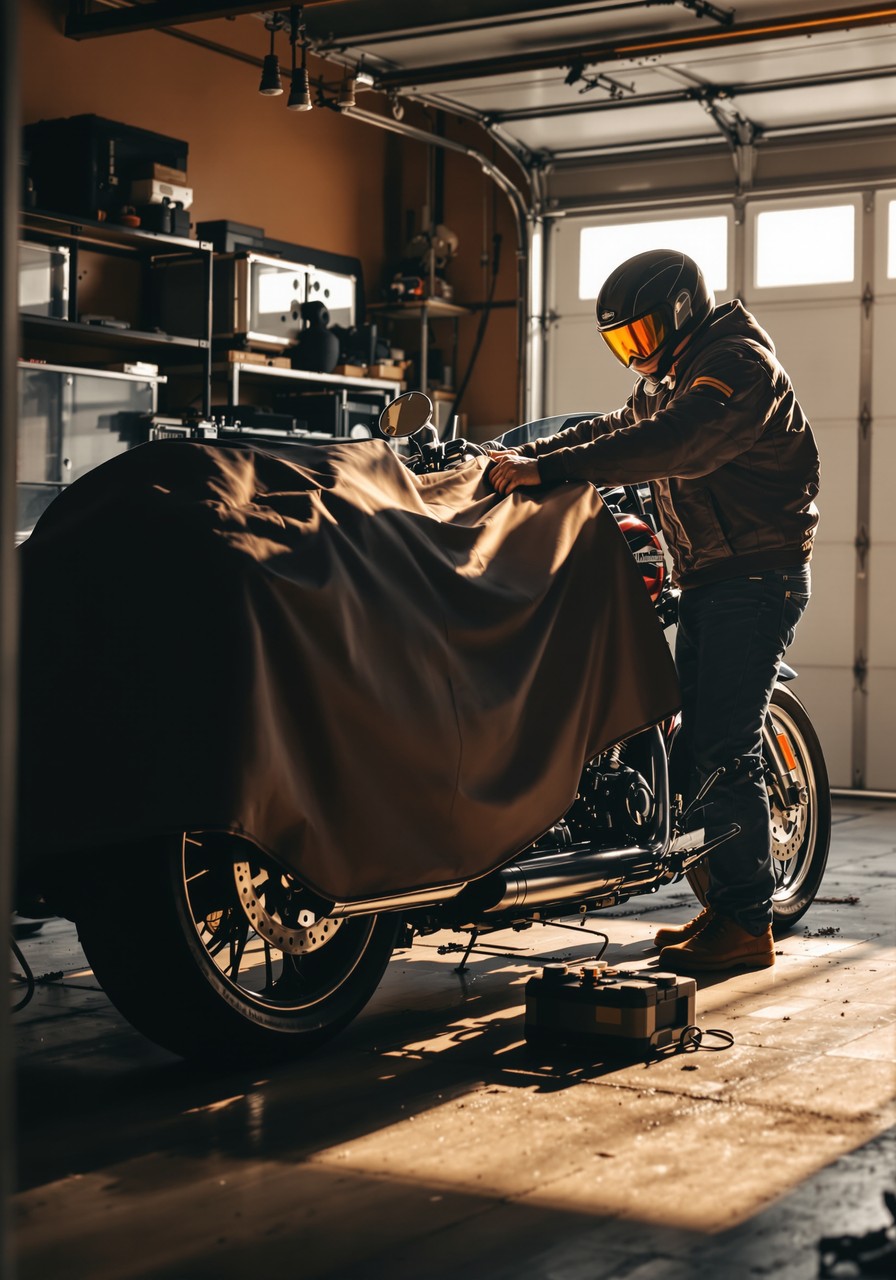
Garage season in Buffalo. Battery tender on, fuel stabilizer in, cover over the bike. Now we plan the first ride out to Letchworth. #RideNationNY #Letchworth #BuffaloRiders
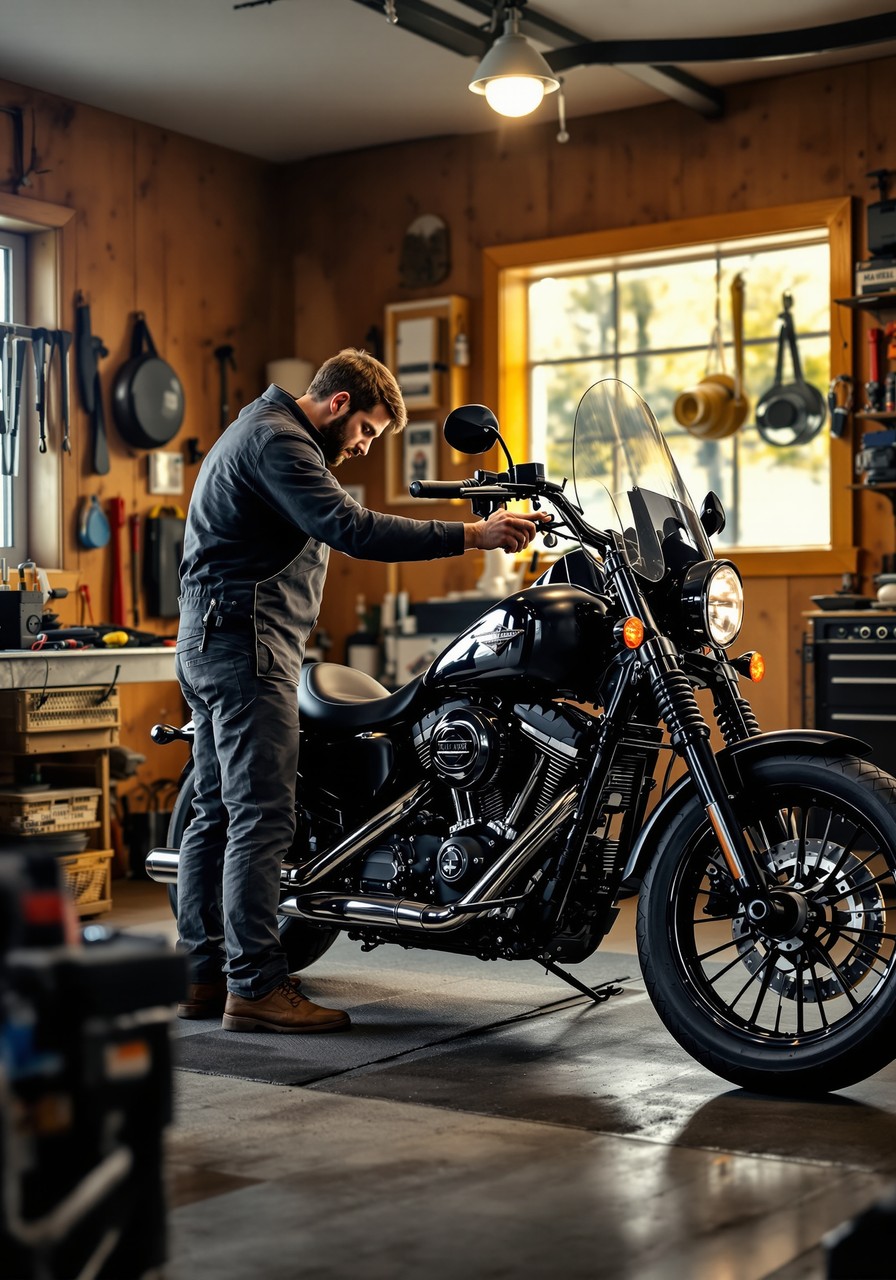
Gear & New Iron
Passengers need a DOT helmet in New York too. Do not hand them your old lid with a cracked liner. #RideNationNY #GearUp #ATGATT #BuffaloRiders
Safety & NY Law
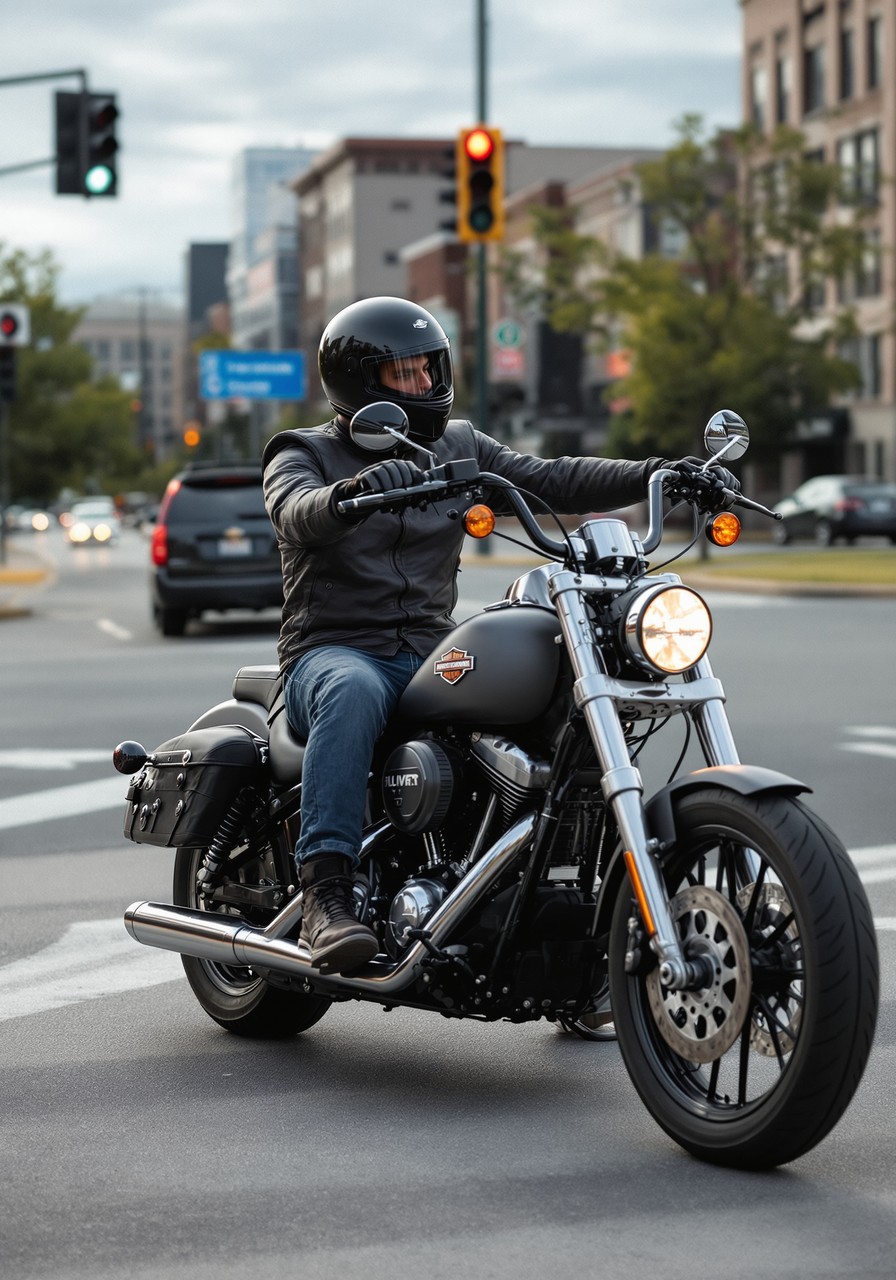
Every rider and passenger in New York must wear a DOT-approved helmet. Gear up, and if a crash happens anyway, call The Nicotra Law Firm at (716) 333-0043. #RideNationNY #MotorcycleSafety #ATGATT
Engagement
Wings after a ride: Buffalo classic medium or extra hot? Do not lie to us. #RideNationNY #BuffaloRiders #WNYRiders
Giveaway & Countdown
Somebody in Ride Nation is about to win a $20,000 motorcycle. Could be you, could be your riding partner. Spread the word. #RideNationNY #20kGiveaway #WNYRiders
Local NY & Rides
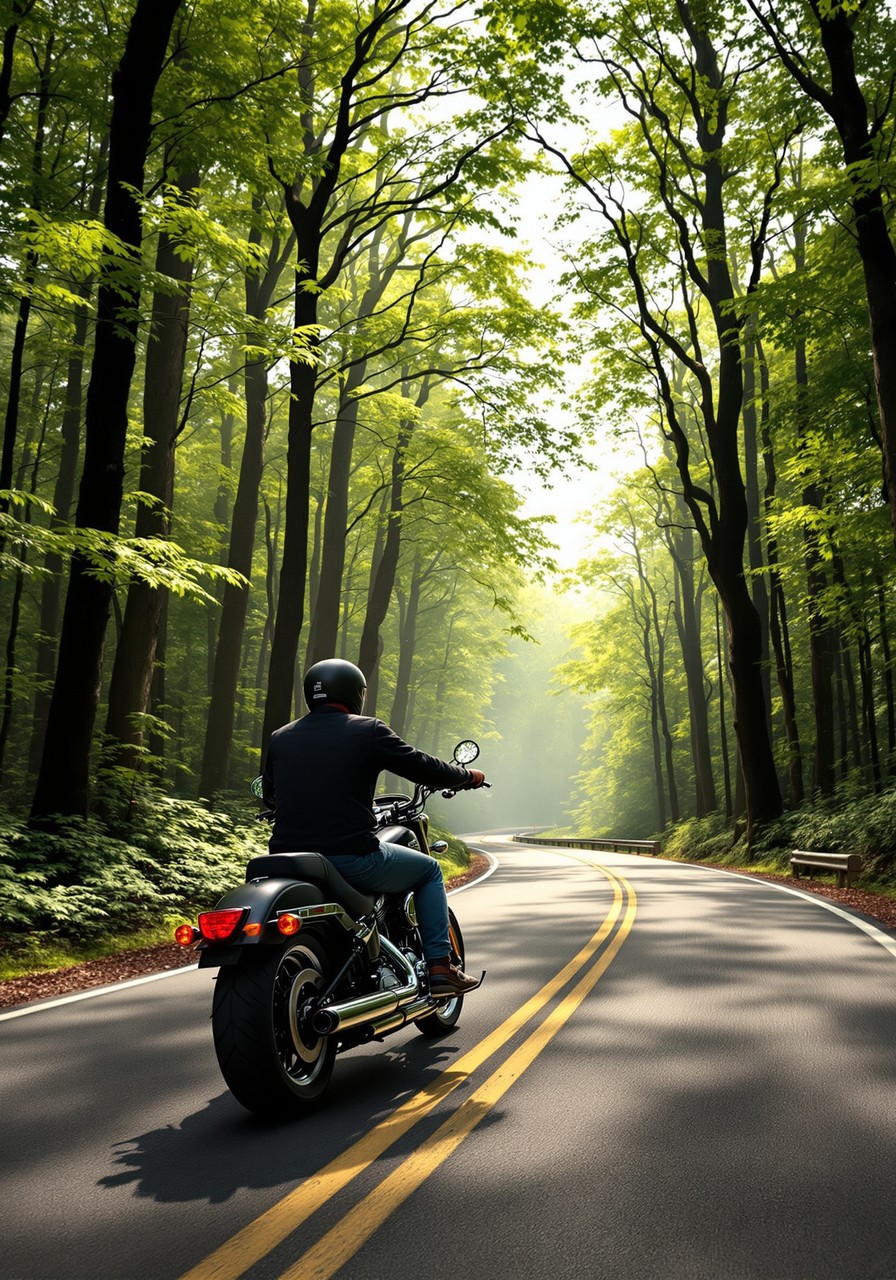
Letchworth State Park, the Grand Canyon of the East, is worth the drive south the second the roads dry out. Bookmark it for April. #RideNationNY #Letchworth #NewYorkRiders
Gear & New Iron
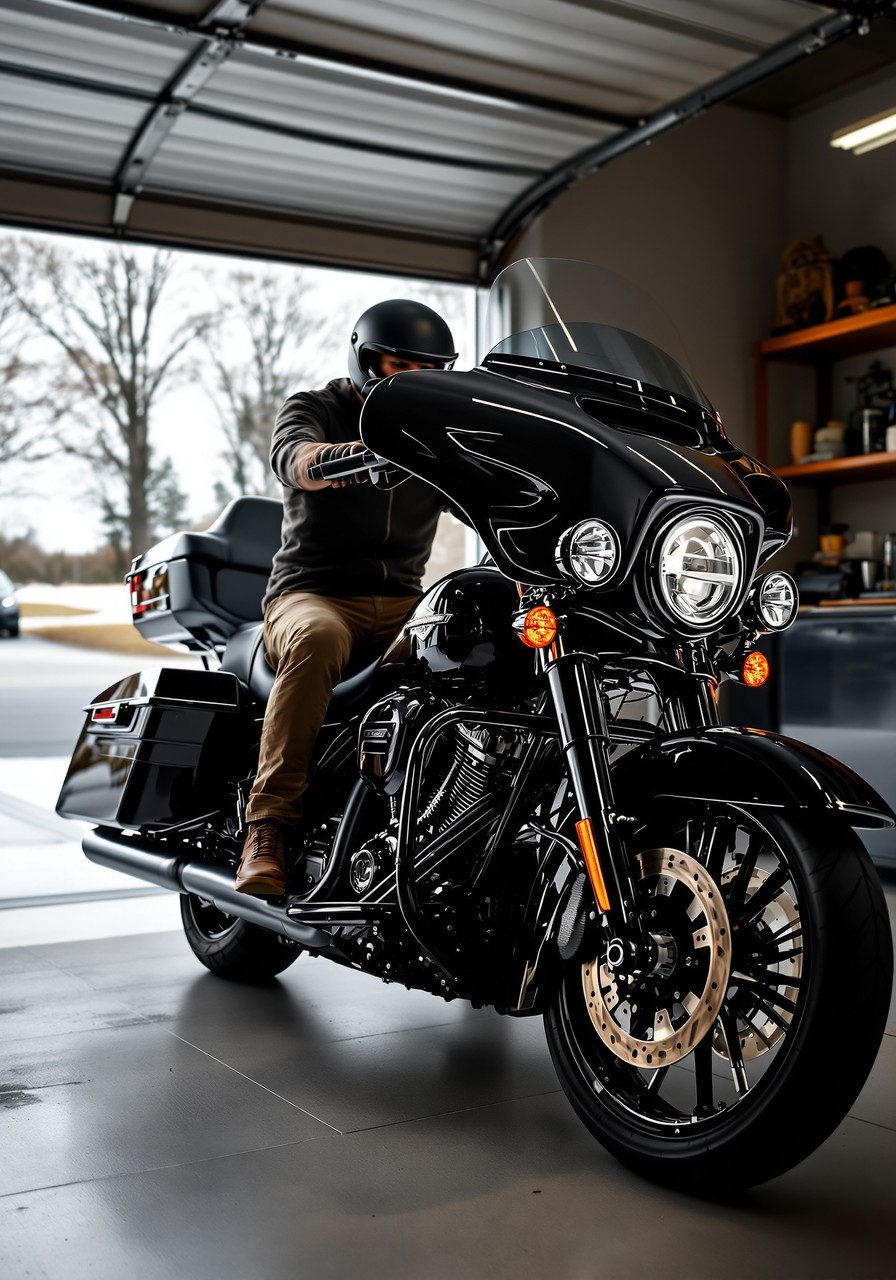
Buffalo road salt eats chrome, brake calipers and frame welds. Rinse your bike with plain water after every salty ride. #RideNationNY #MotorcycleMaintenance #BuffaloRiders
Safety & NY Law
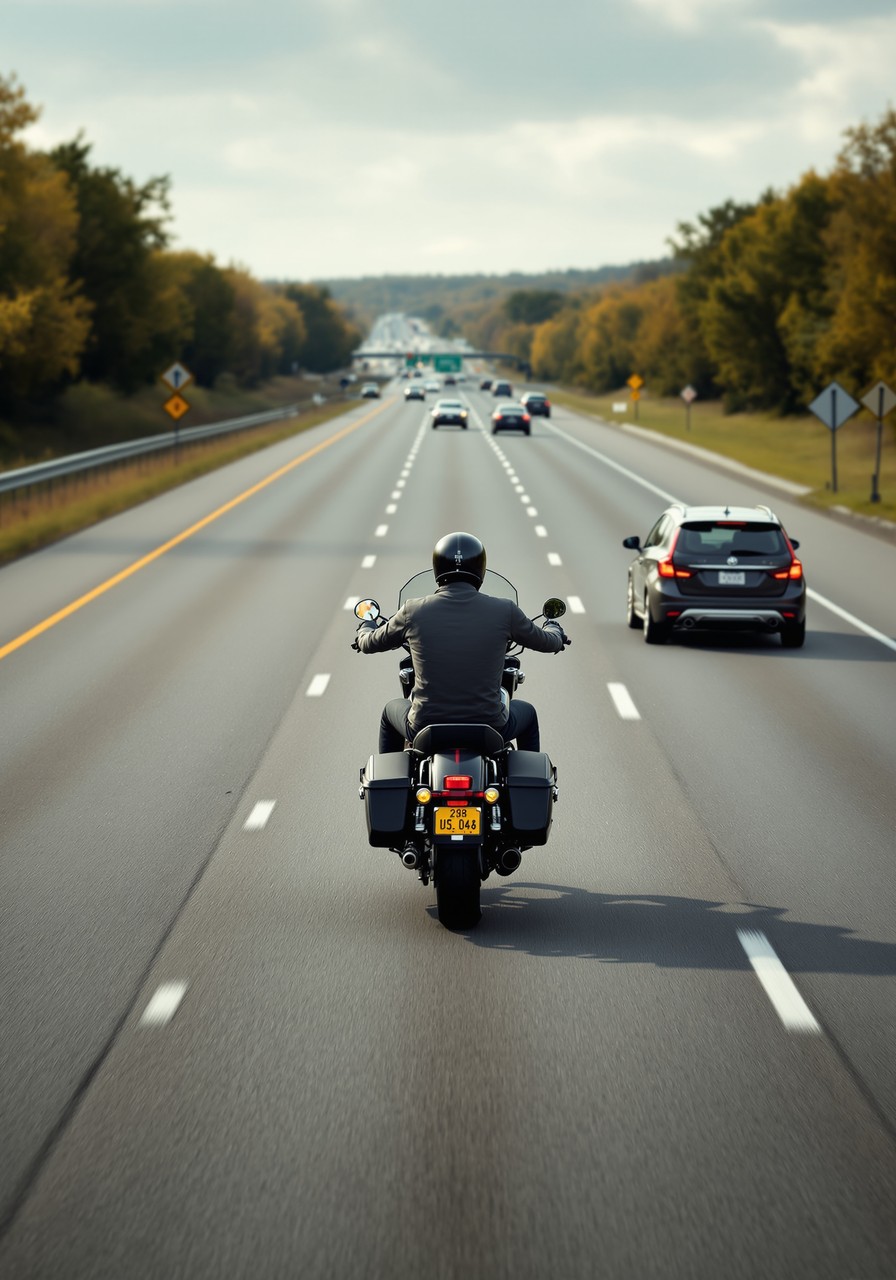
Minimum liability in New York is only 25/50/10. A serious motorcycle crash can blow past that fast. Wondering what that means for you? Call (716) 333-0043. #RideNationNY #KnowYourRights #WNYRiders
Engagement
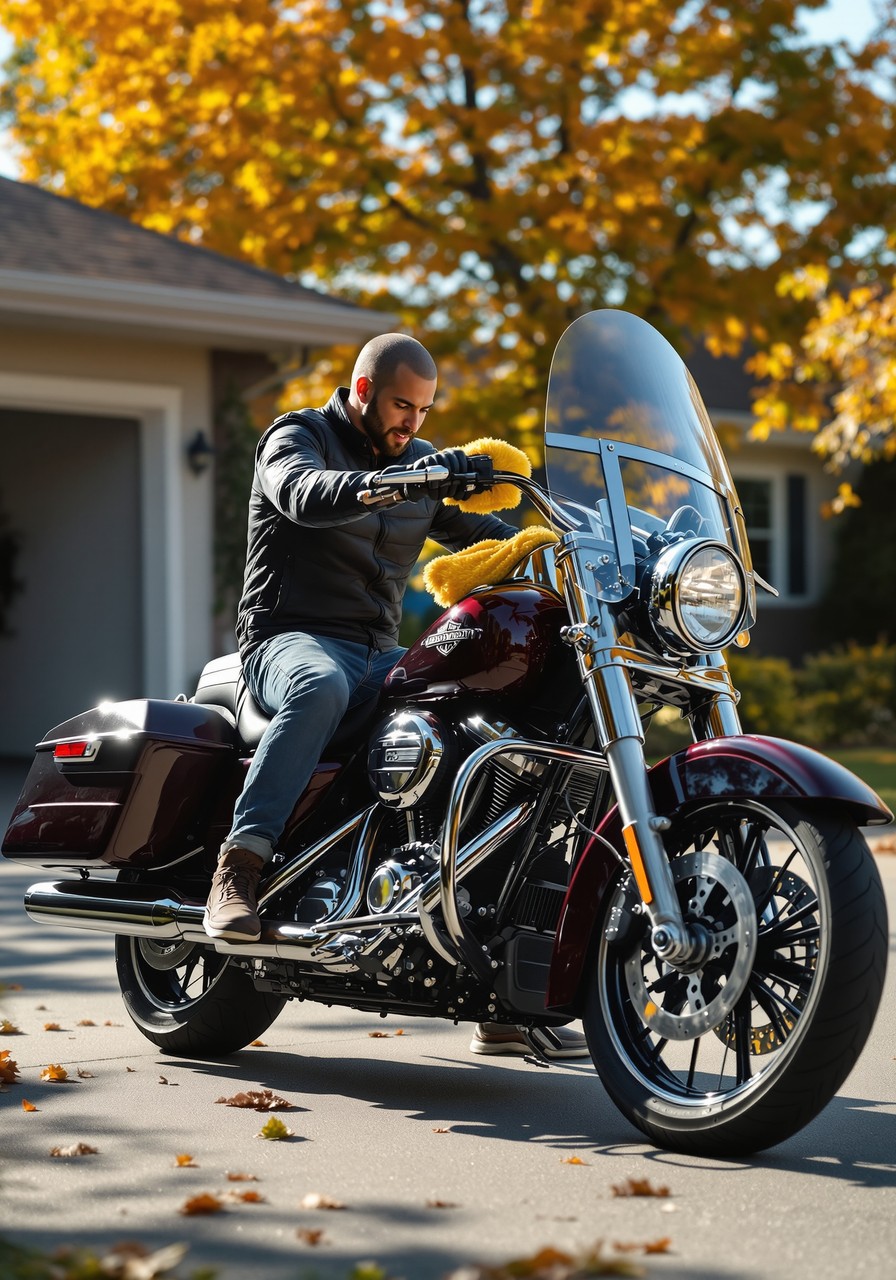
Fill in the blank: the first ride of spring is going to be to ______. #RideNationNY #NewYorkRiders #TwoWheels
Giveaway & Countdown
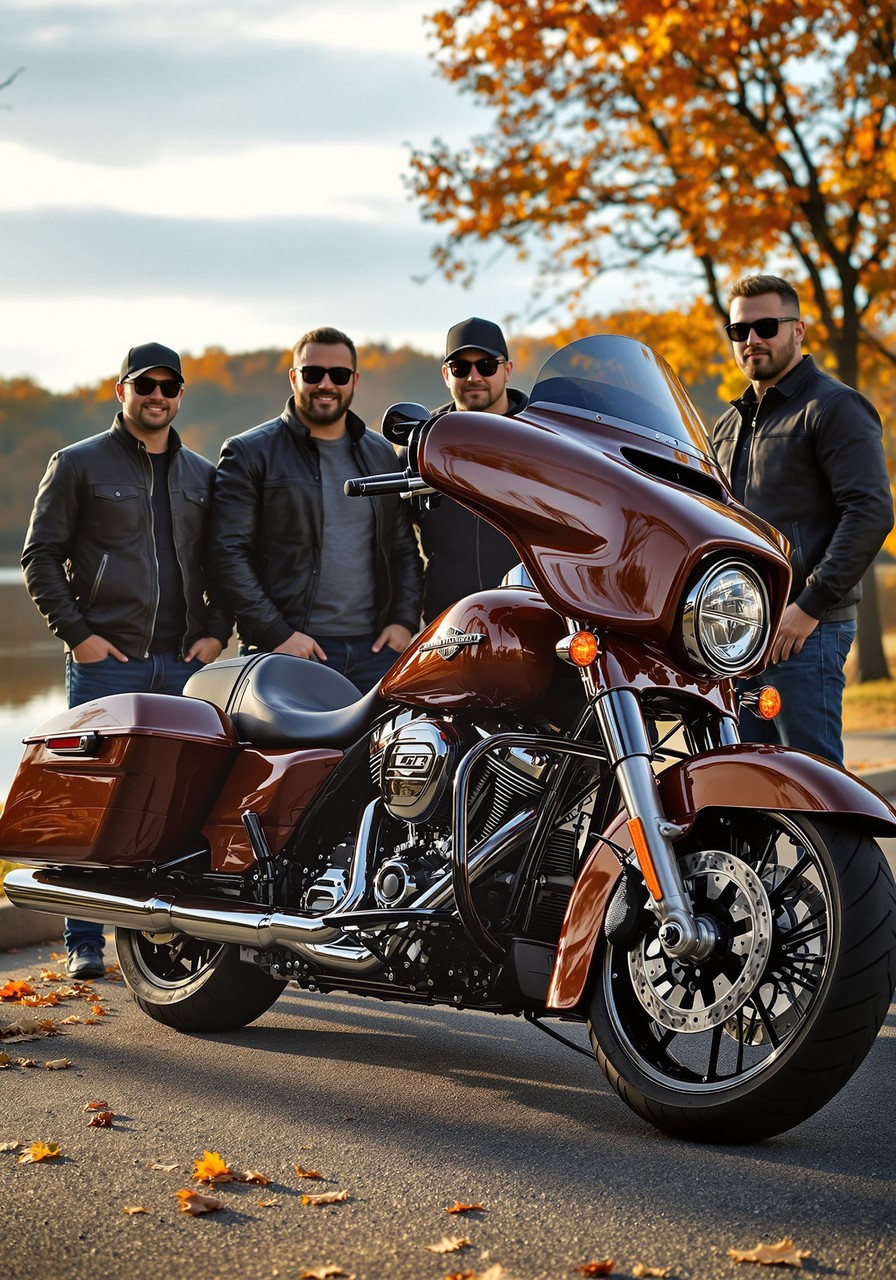
Know a rider who got hurt? Send them our way. A free conversation with The Nicotra Law Firm at (716) 333-0043 counts as an entry in the $20K giveaway. #RideNationNY #BikersWin #NewYorkRiders
Local NY & Rides
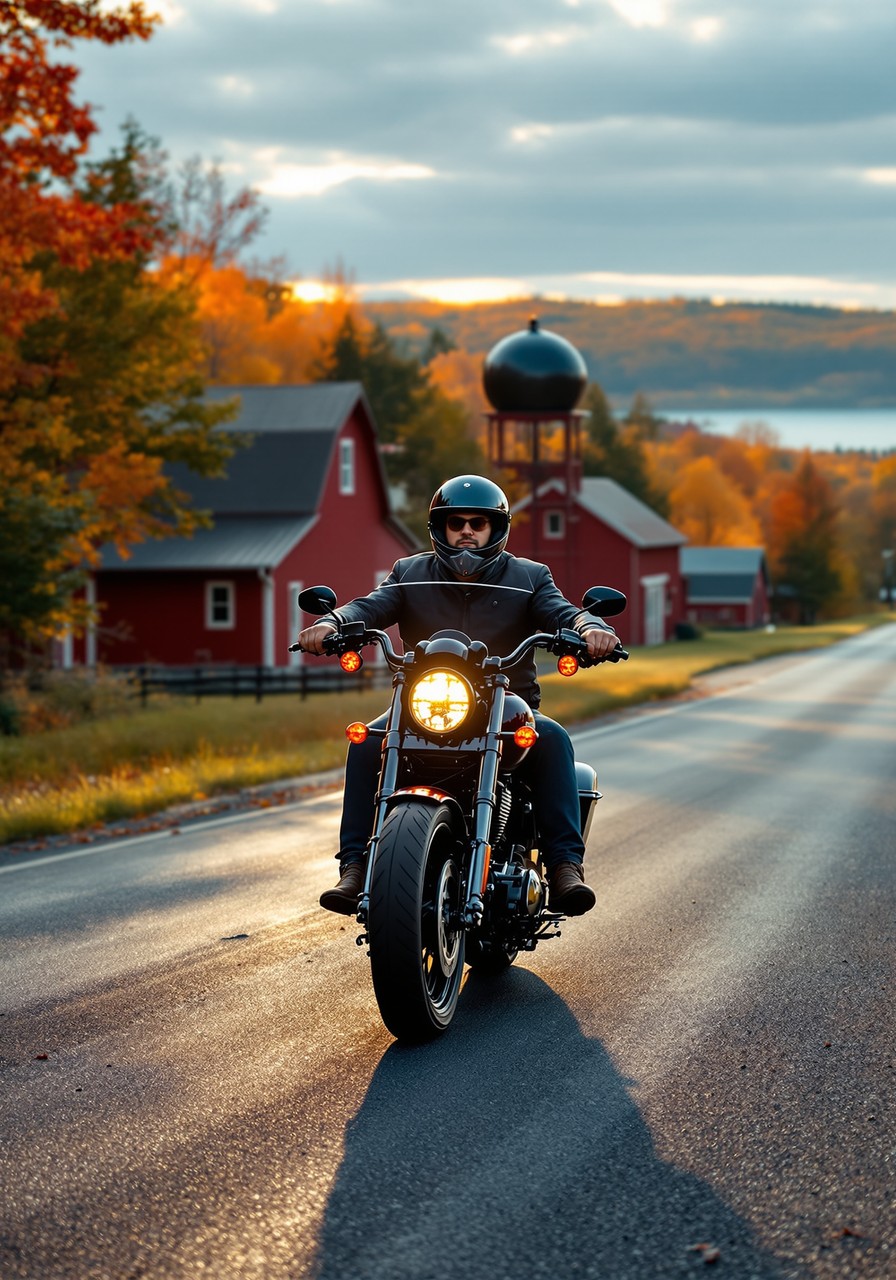
Lake-effect snow bands can turn a clear I-90 into a whiteout in ten minutes. If the Thruway looks white ahead, the bike stays home. #RideNationNY #BuffaloRiders #WNYRiders
Gear & New Iron
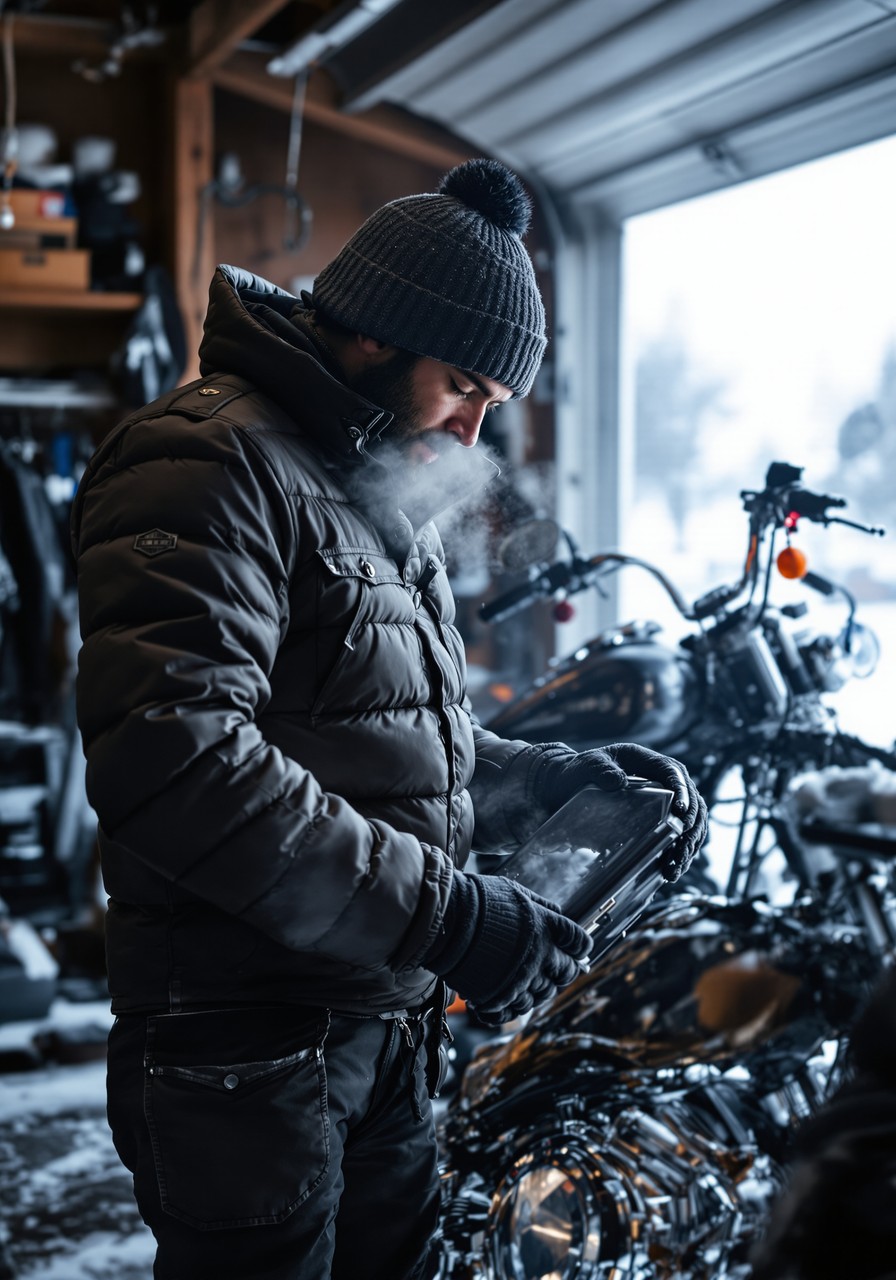
Salt washdown tip: spray the wheels, swingarm and underside first. That is where corrosion starts. #RideNationNY #MotorcycleMaintenance #RiderTips
Safety & NY Law
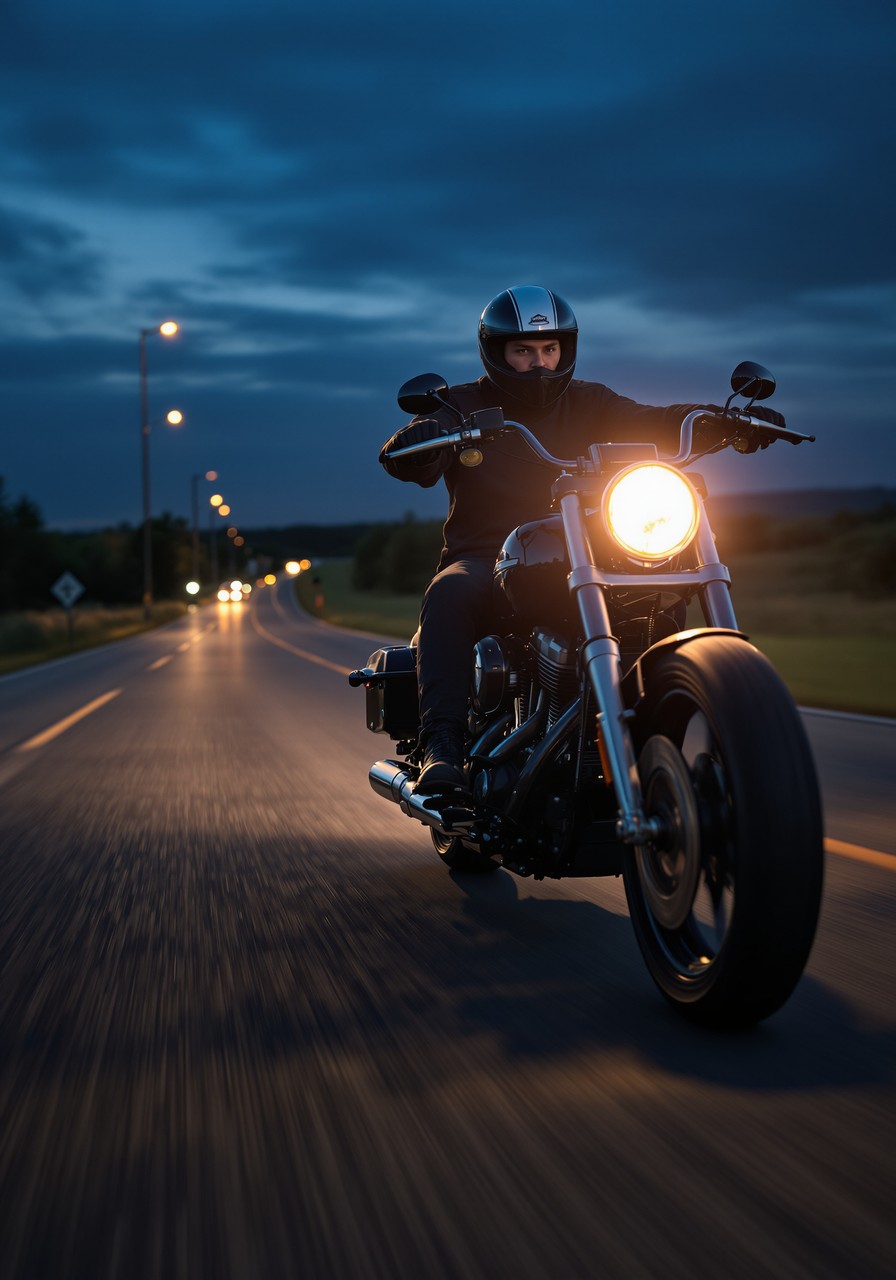
Three years is the general clock to file an injury claim in New York. Waiting only makes evidence harder to find. Call (716) 333-0043 and get answers early. #RideNationNY #RiderRights #BuffaloRiders
Engagement
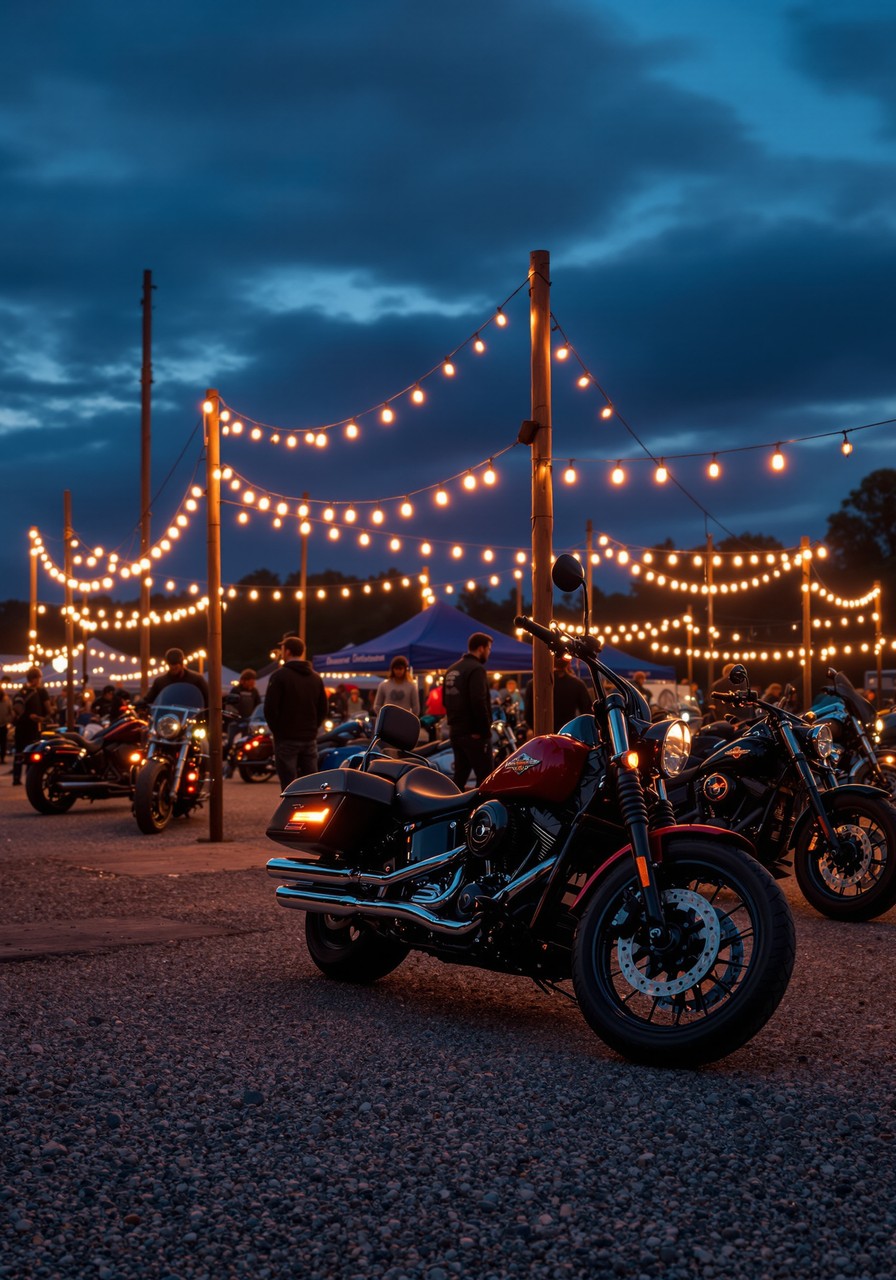
Ellicottville in the fall or Ellicottville in the summer? Only one answer allowed. #RideNationNY #Ellicottville #WNYRiders
Giveaway & Countdown
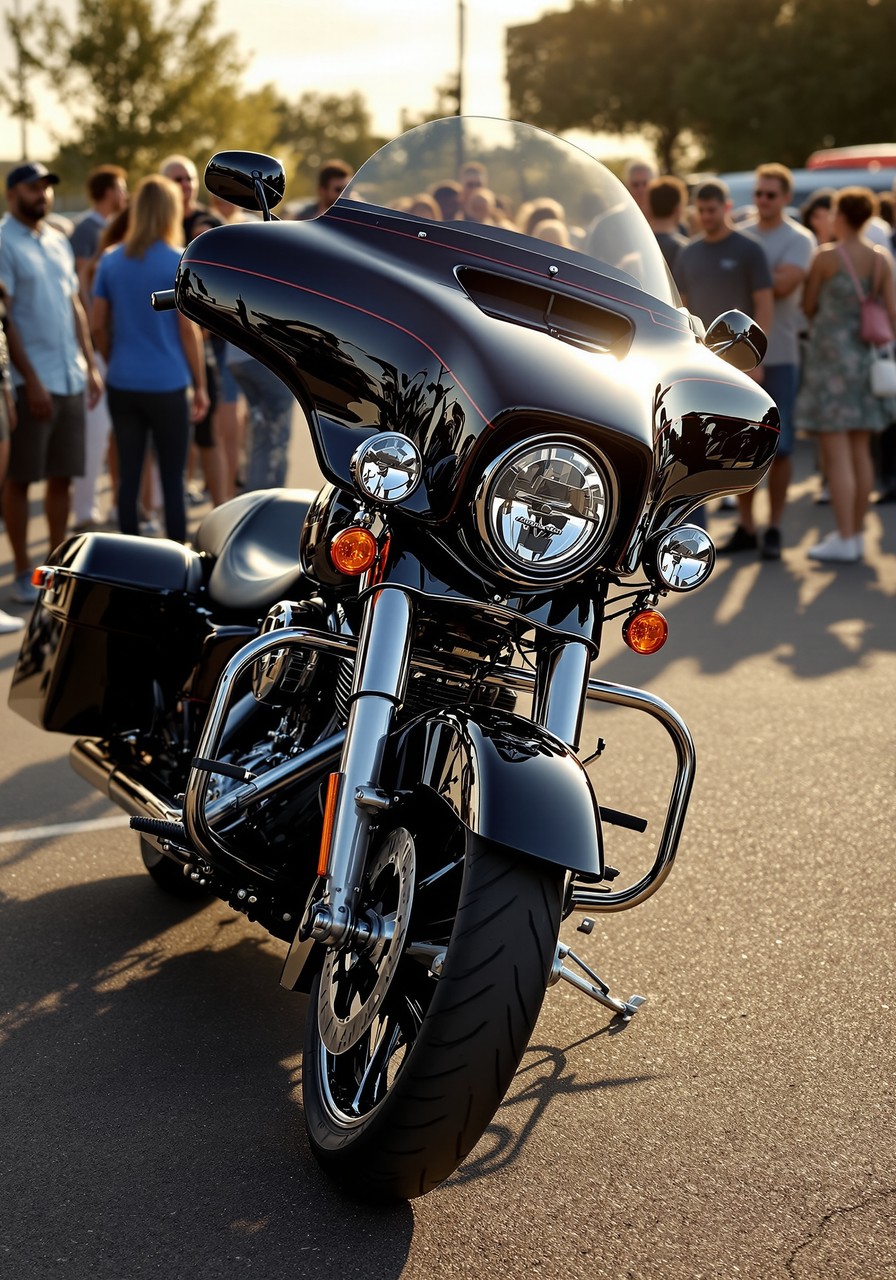
Tick tock, Buffalo. The BikersWin giveaway clock keeps moving and the winner-energy is building. #RideNationNY #BikersWin #MotorcycleGiveaway #BuffaloRiders
Local NY & Rides
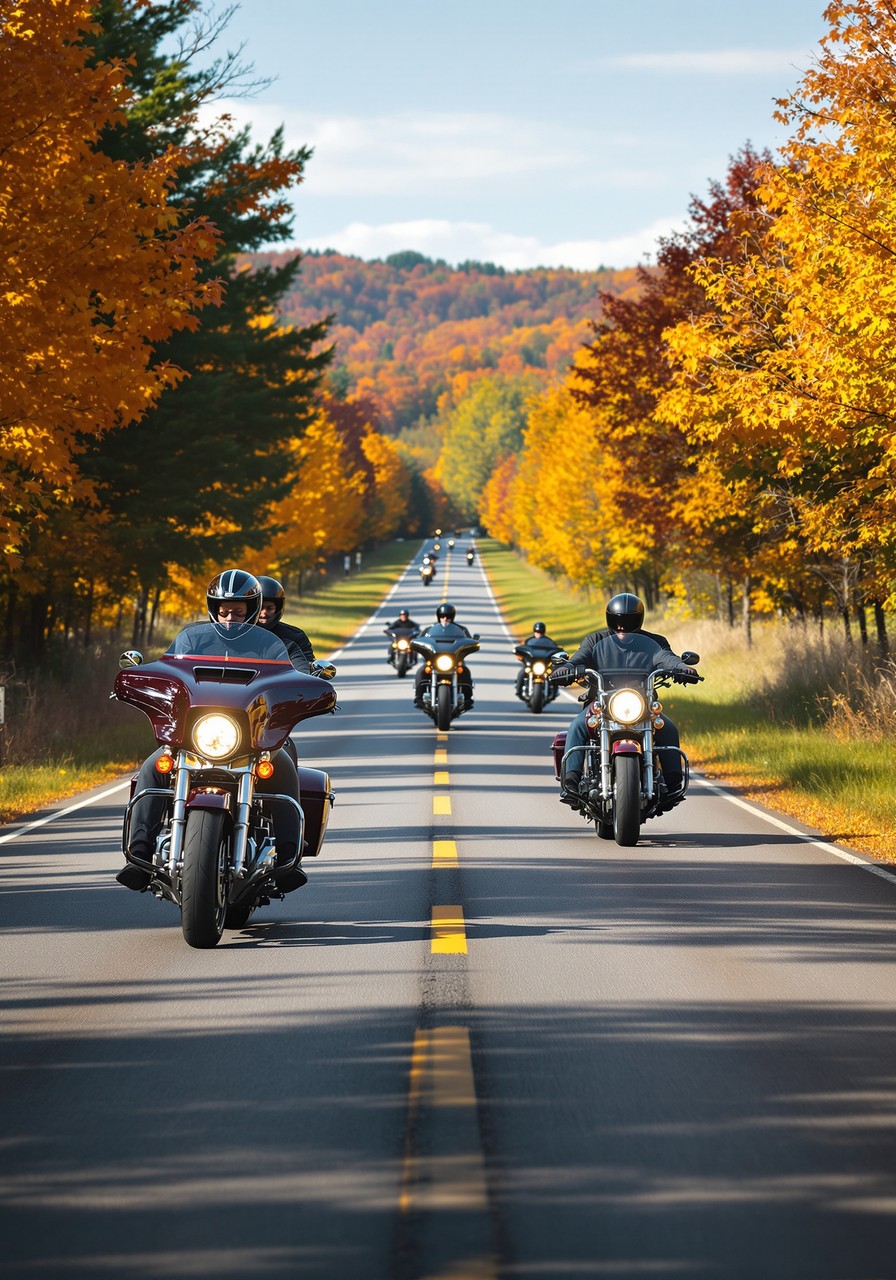
Salt on everything until April. If you get a dry cold day, ride it, then wash the salt off the bike the same night. Your chain and your frame will thank you. #RideNationNY #BuffaloRiders
Gear & New Iron
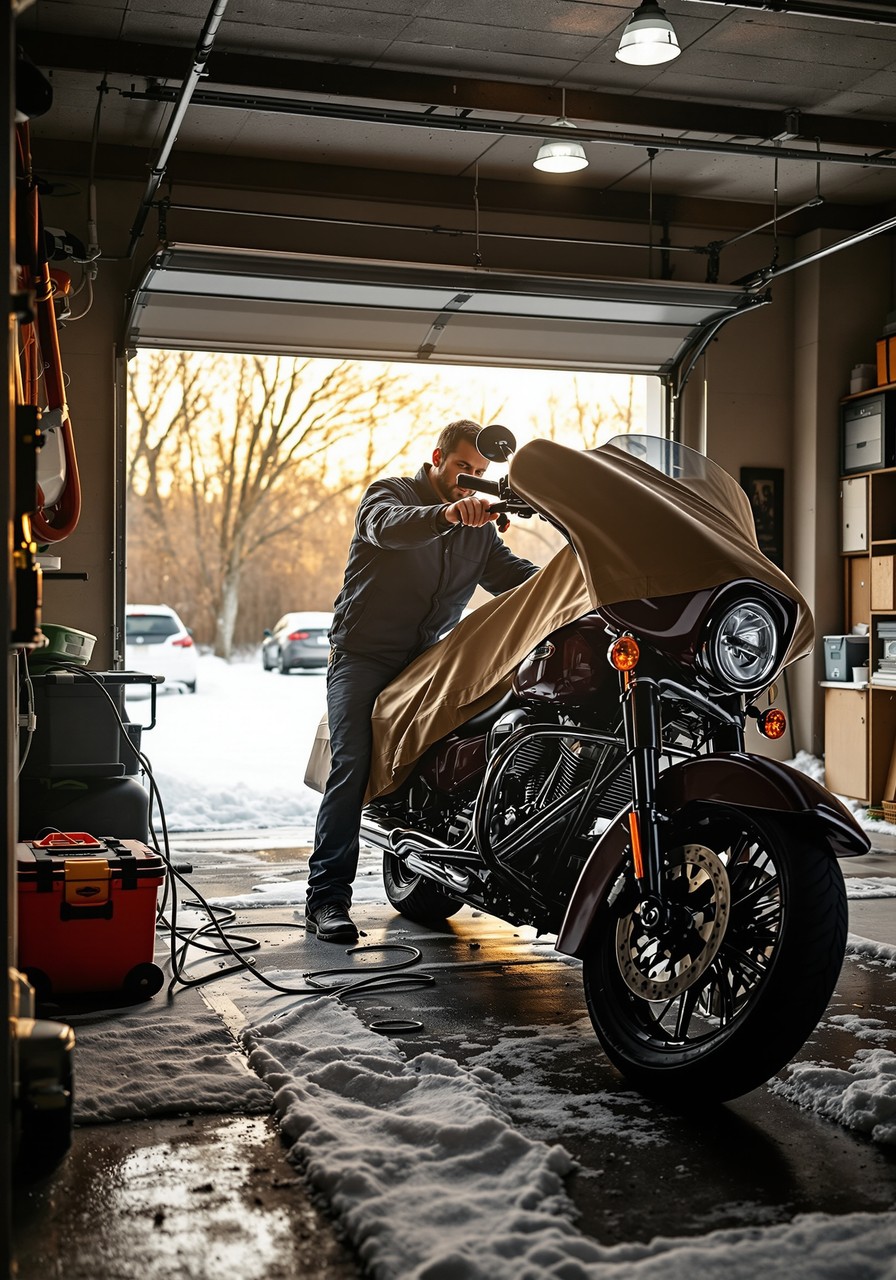
After the wash, dry the bike and wipe the metal with a light corrosion inhibitor. Salt hides in every crevice. #RideNationNY #MotorcycleMaintenance #BuffaloRiders
Safety & NY Law
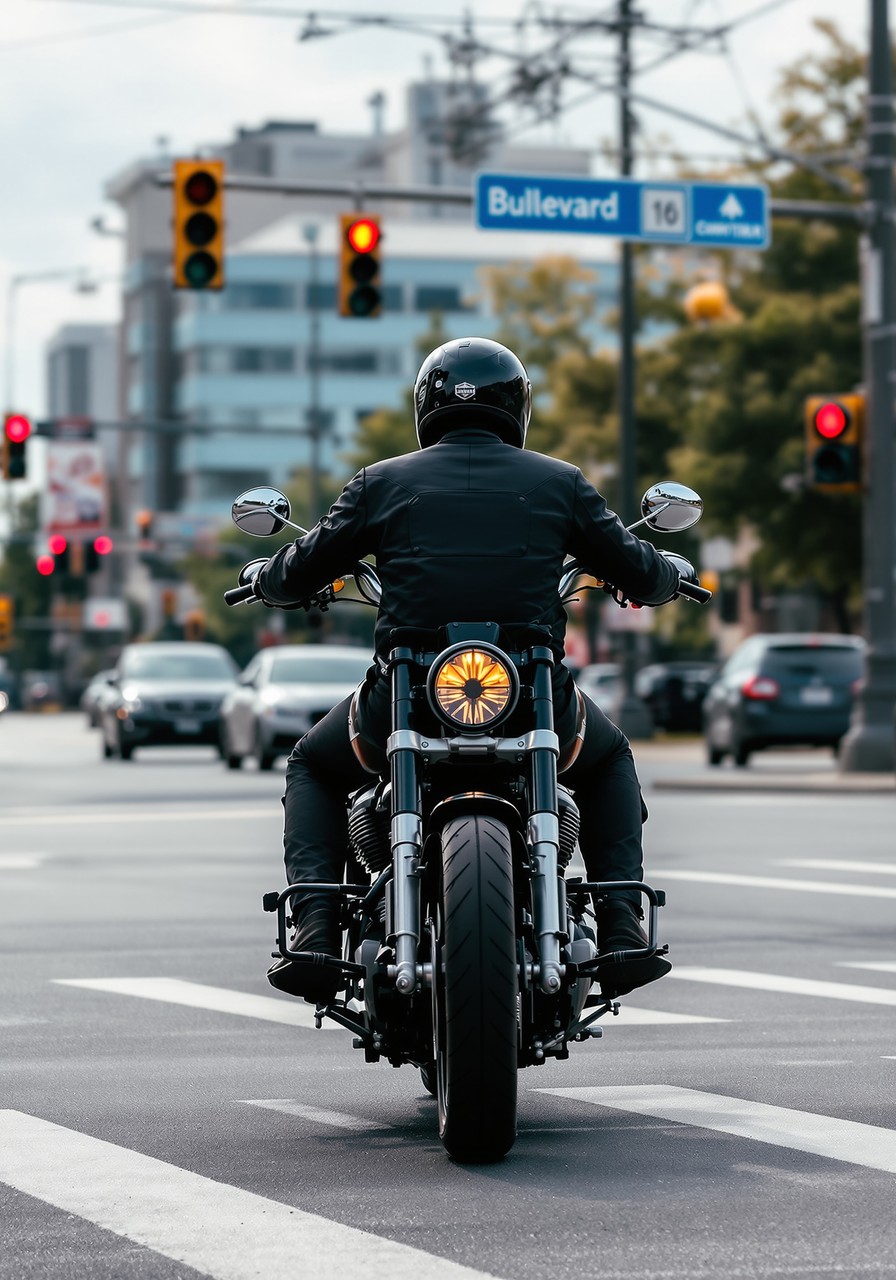
City, county or NFTA involved in your crash? A Notice of Claim can be due in just 90 days. Do not let it slip. Call (716) 333-0043. #RideNationNY #KnowYourRights #NewYorkRiders
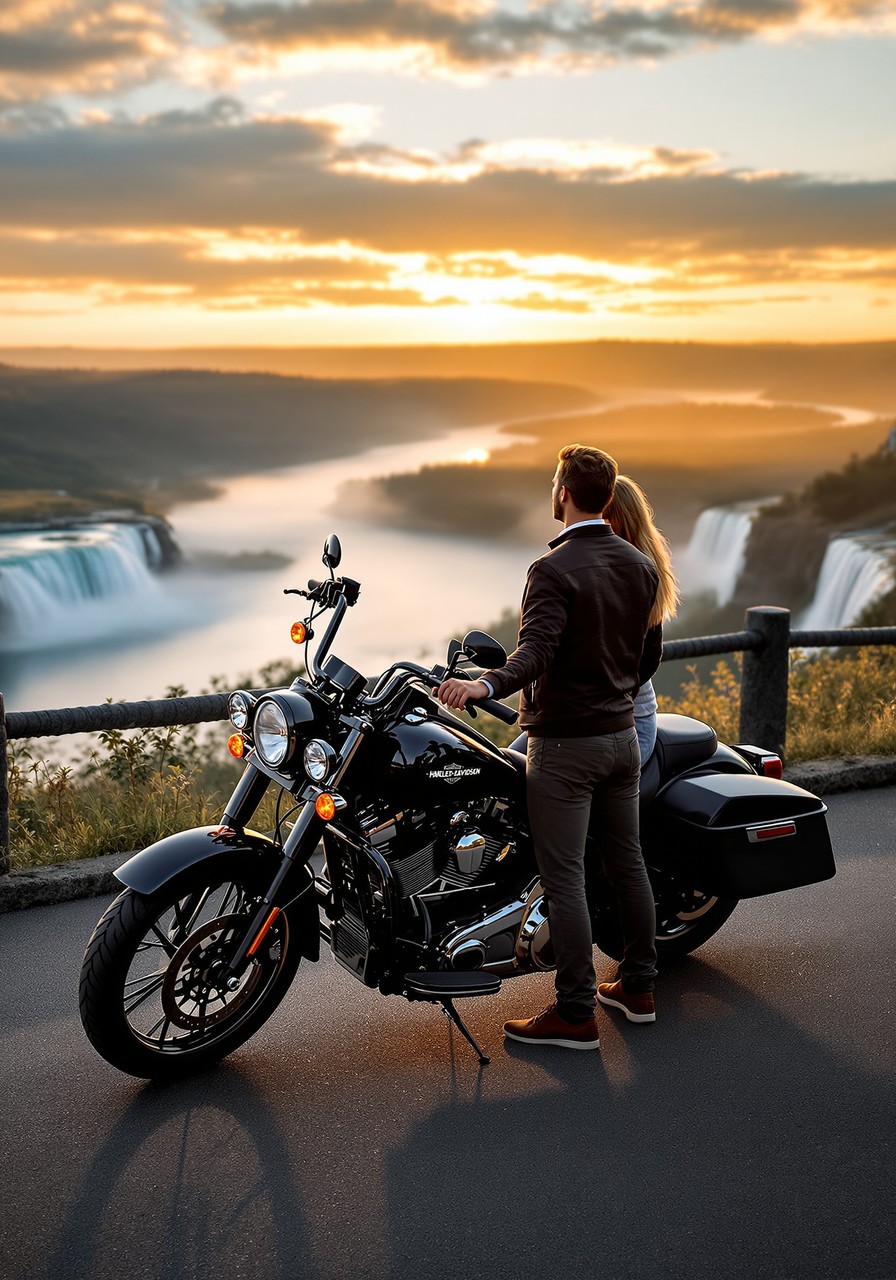
Engagement
Tag your ride-or-die. The one who shows up on a 40 degree morning with no questions asked. #RideNationNY #RideOrDie #BuffaloRiders
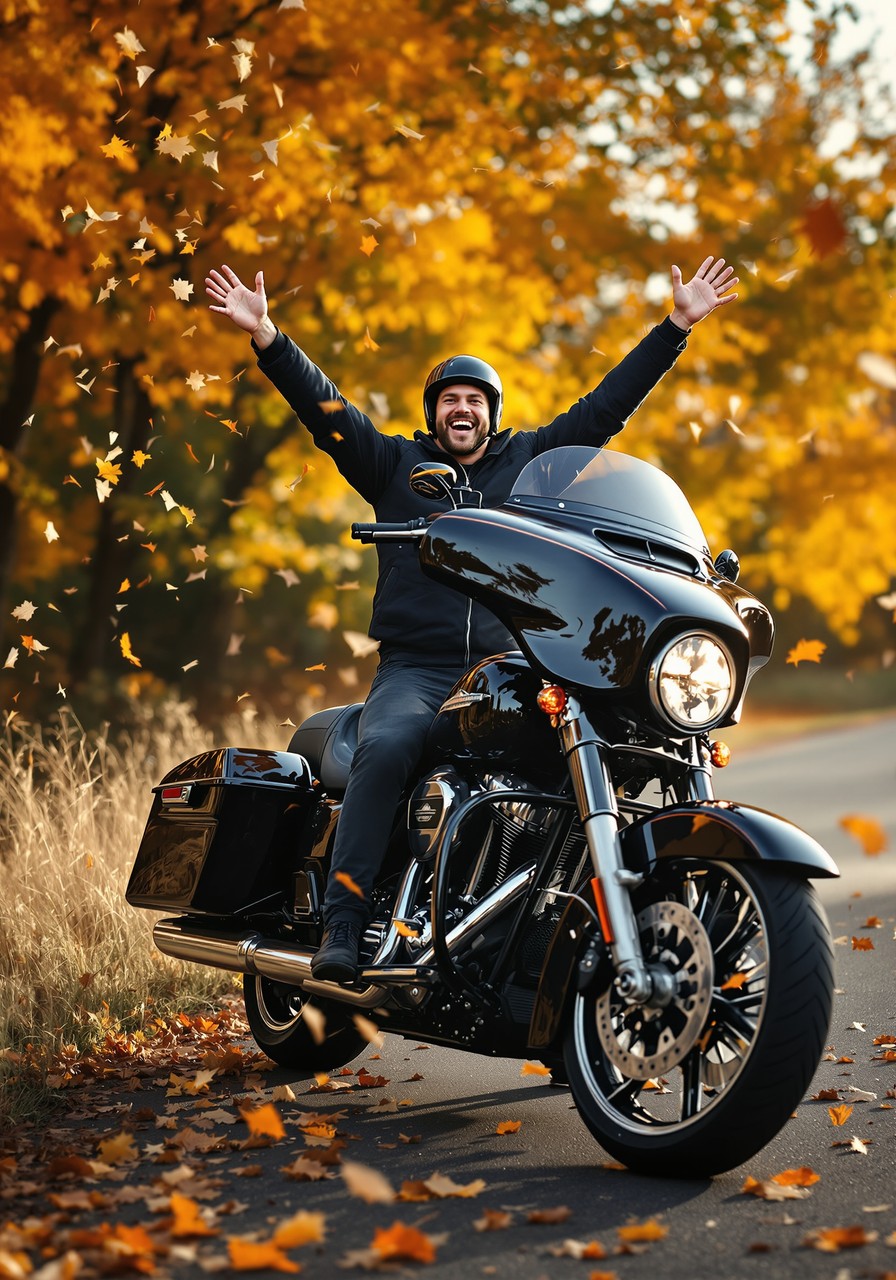
Giveaway & Countdown
Free to enter, always. Talk to Rick and the team about your crash and you're in the running for $20,000 of motorcycle. Call (716) 333-0043. #RideNationNY #MotorcycleGiveaway #20kGiveaway
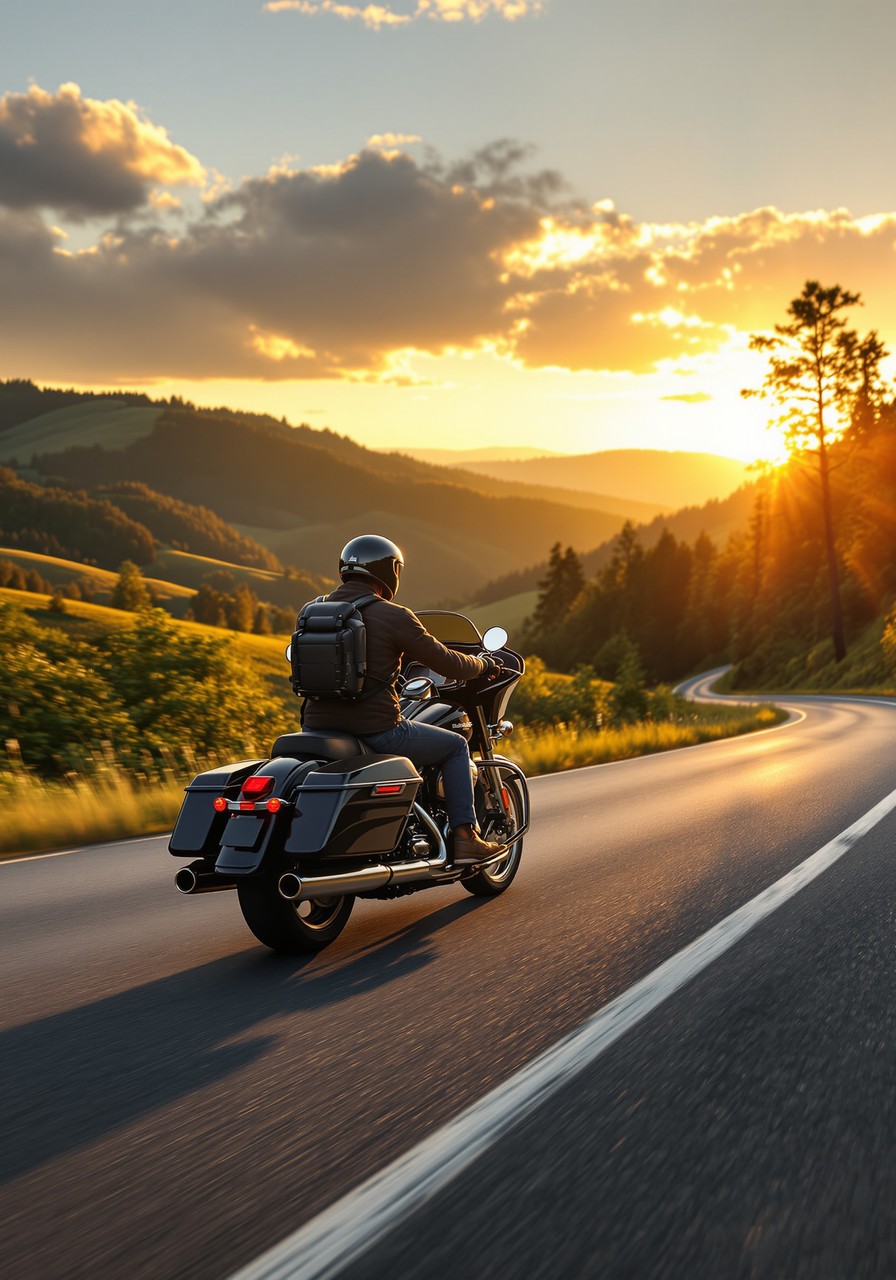
Local NY & Rides
Frost heaves and potholes on the 33 Kensington Expressway will grab a front wheel. Eyes up, look for the smooth line, and don't follow the car ahead into the crater. #RideNationNY #BuffaloRiders #WNYRiders
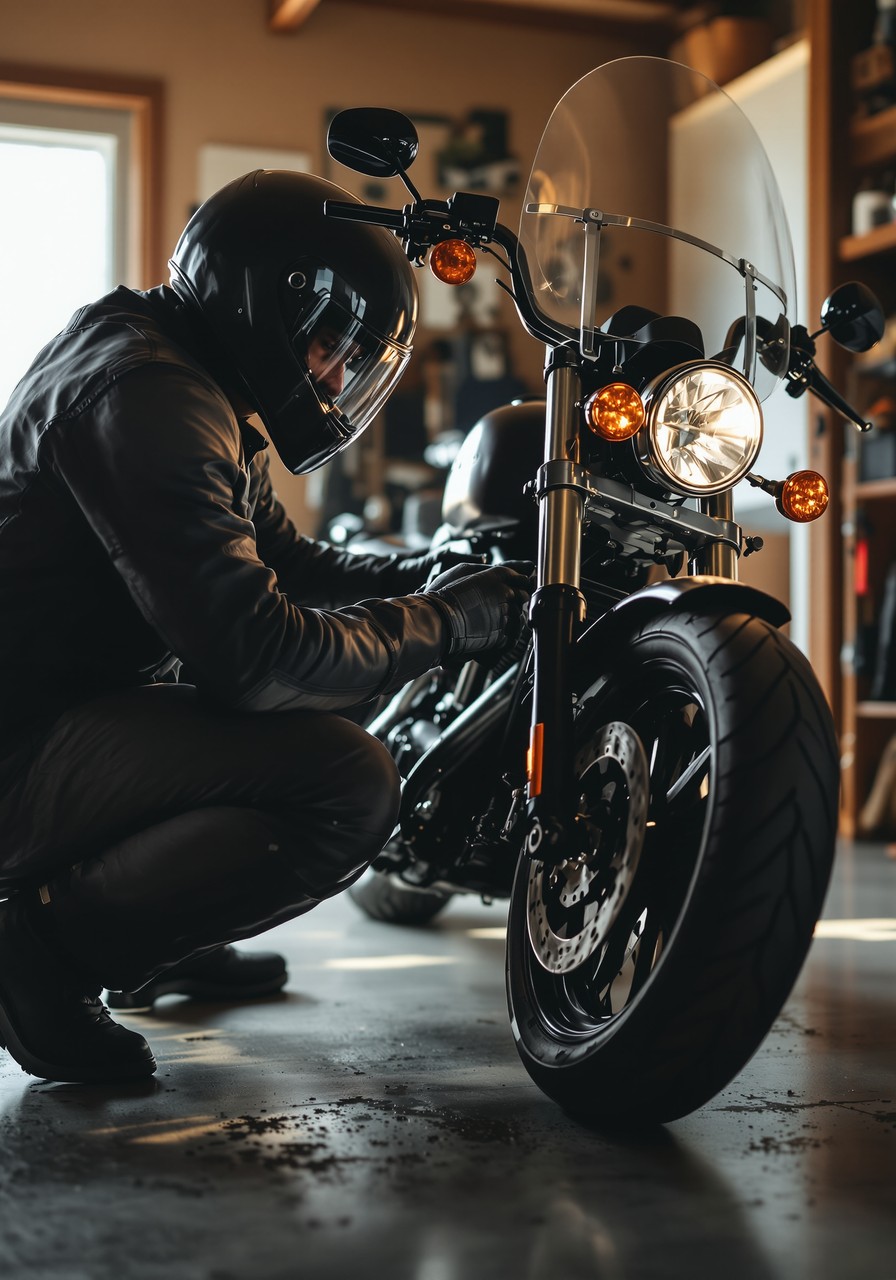
Gear & New Iron
Winter battery tip: a 30 dollar tender beats a dead battery come spring. Plug it in before the first hard freeze. #RideNationNY #MotorcycleMaintenance #RiderTips
Safety & NY Law
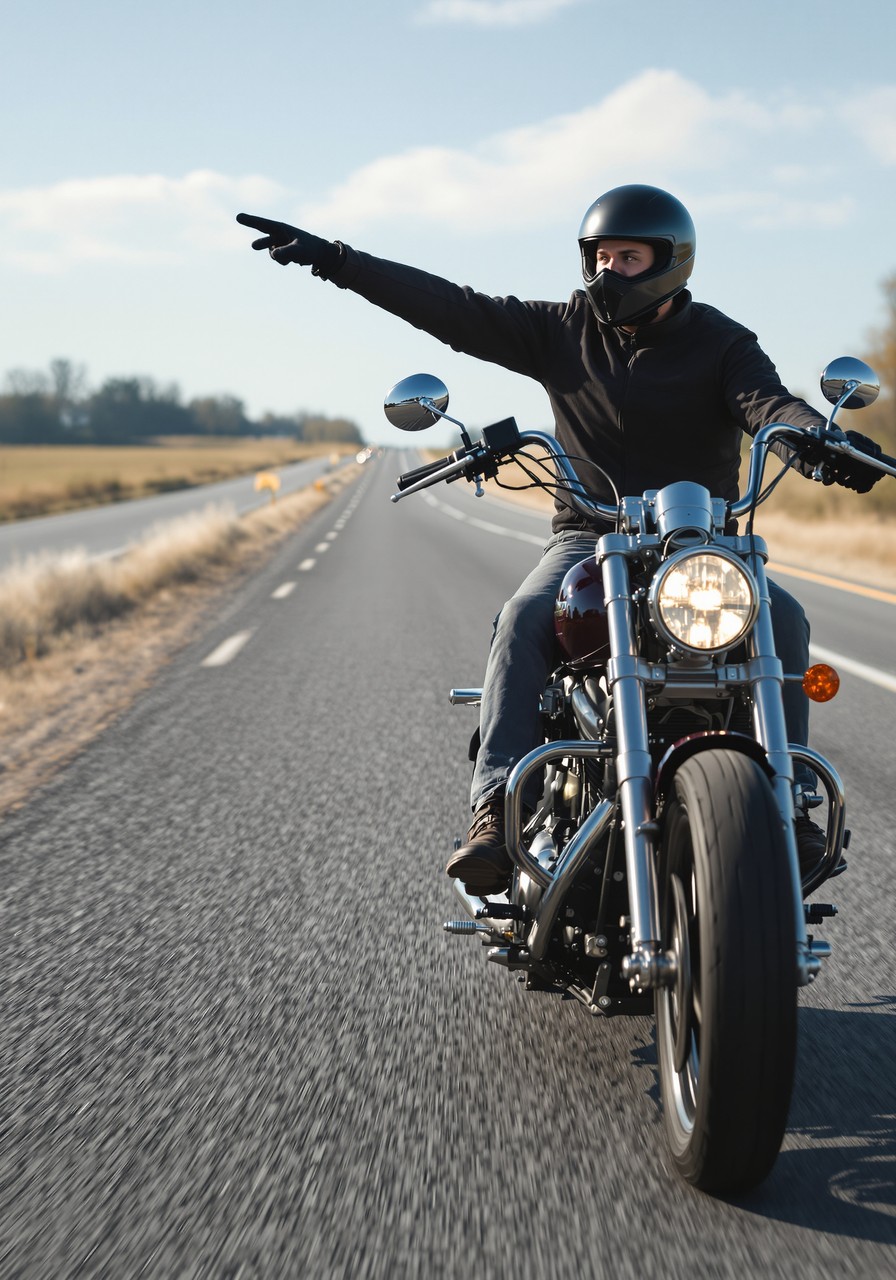
"I never saw the motorcycle" is the line every rider hears. Photos, witnesses and video beat it. If you were hit, call (716) 333-0043. #RideNationNY #MotorcycleSafety #WNYRiders
Engagement
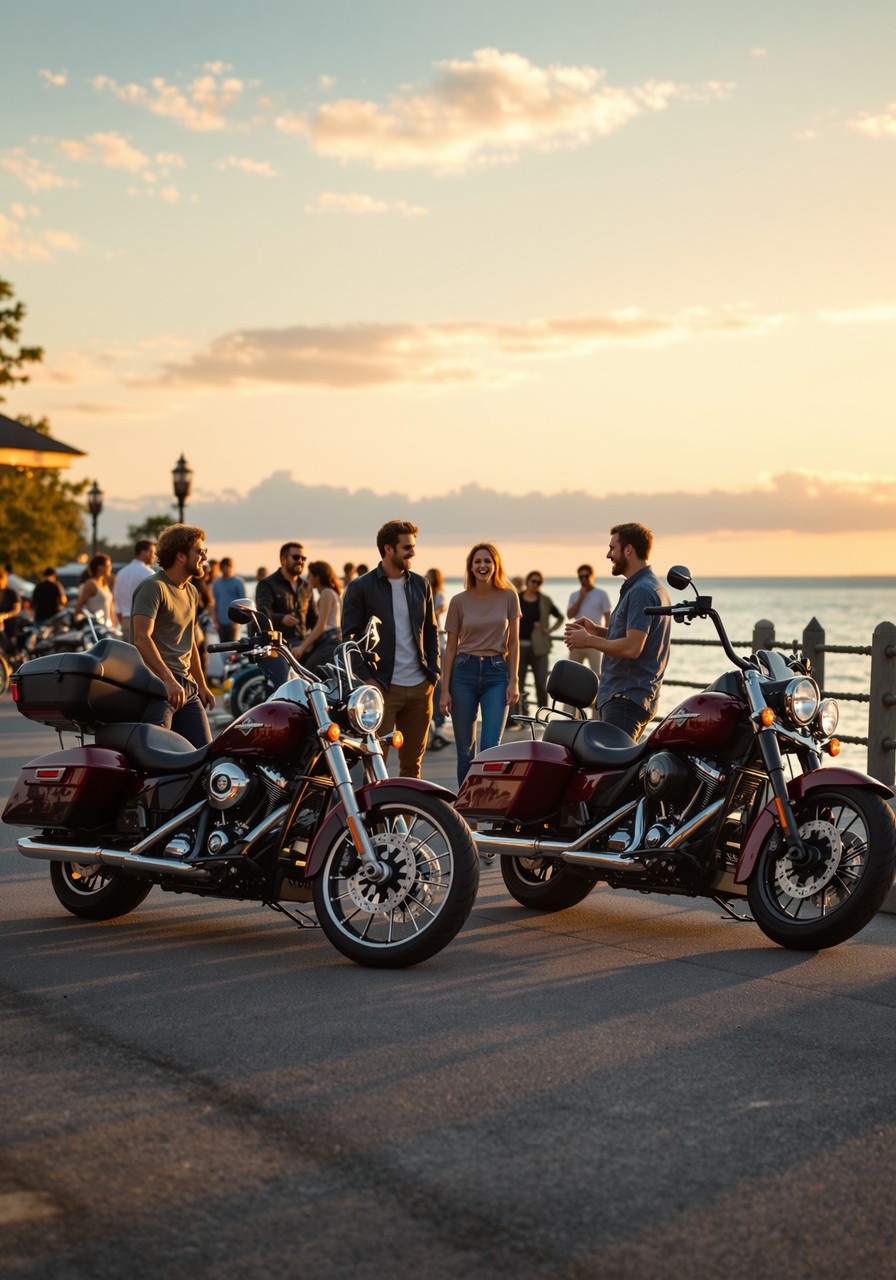
Poll time: how many of you are doing winter garage projects? Wrenching, cleaning, or just staring at the bike? #RideNationNY #TwoWheels #WNYRiders
Giveaway & Countdown
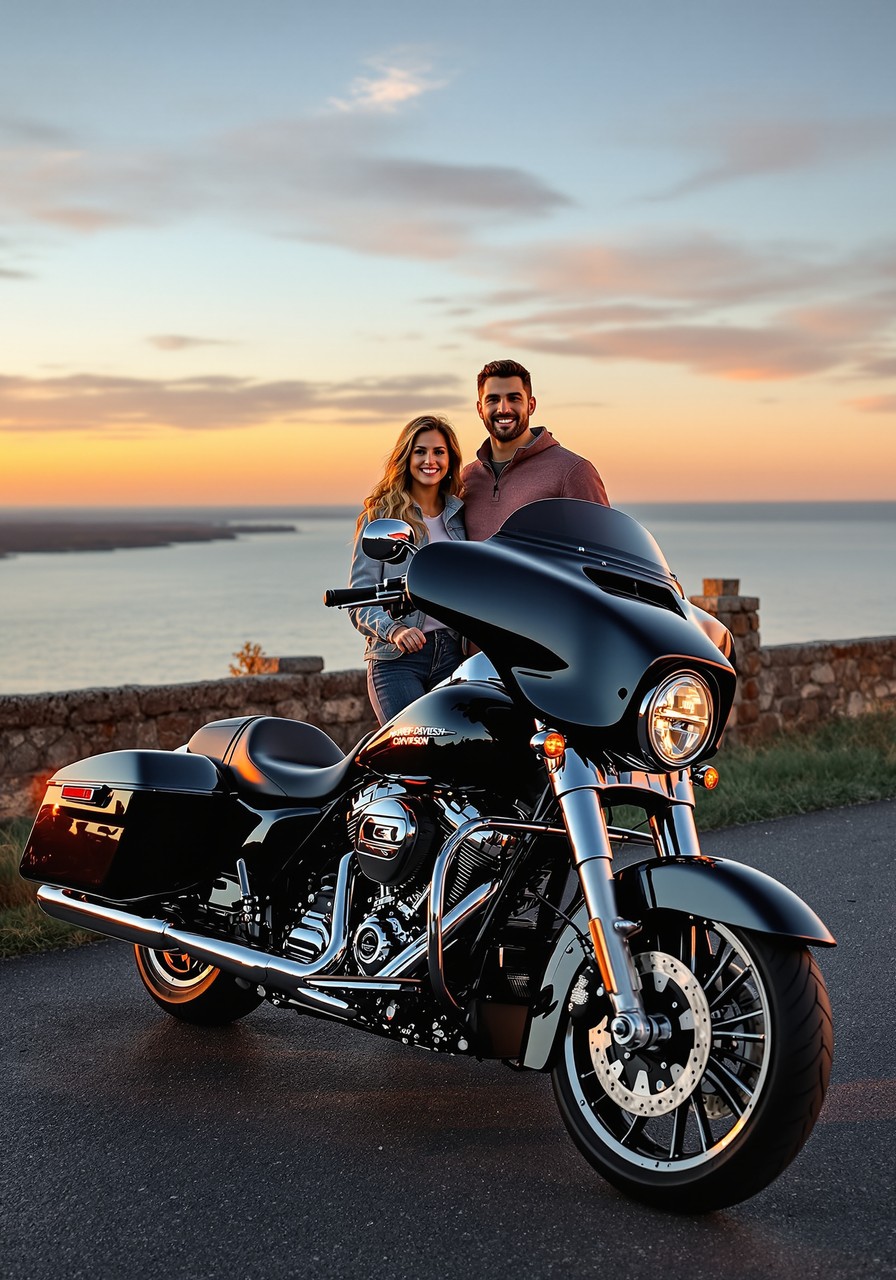
Tag the rider in your crew who deserves a shot at a $20,000 bike. Then tell them to call (716) 333-0043 to ask how to get in. #RideNationNY #20kGiveaway #NewYorkRiders
Local NY & Rides
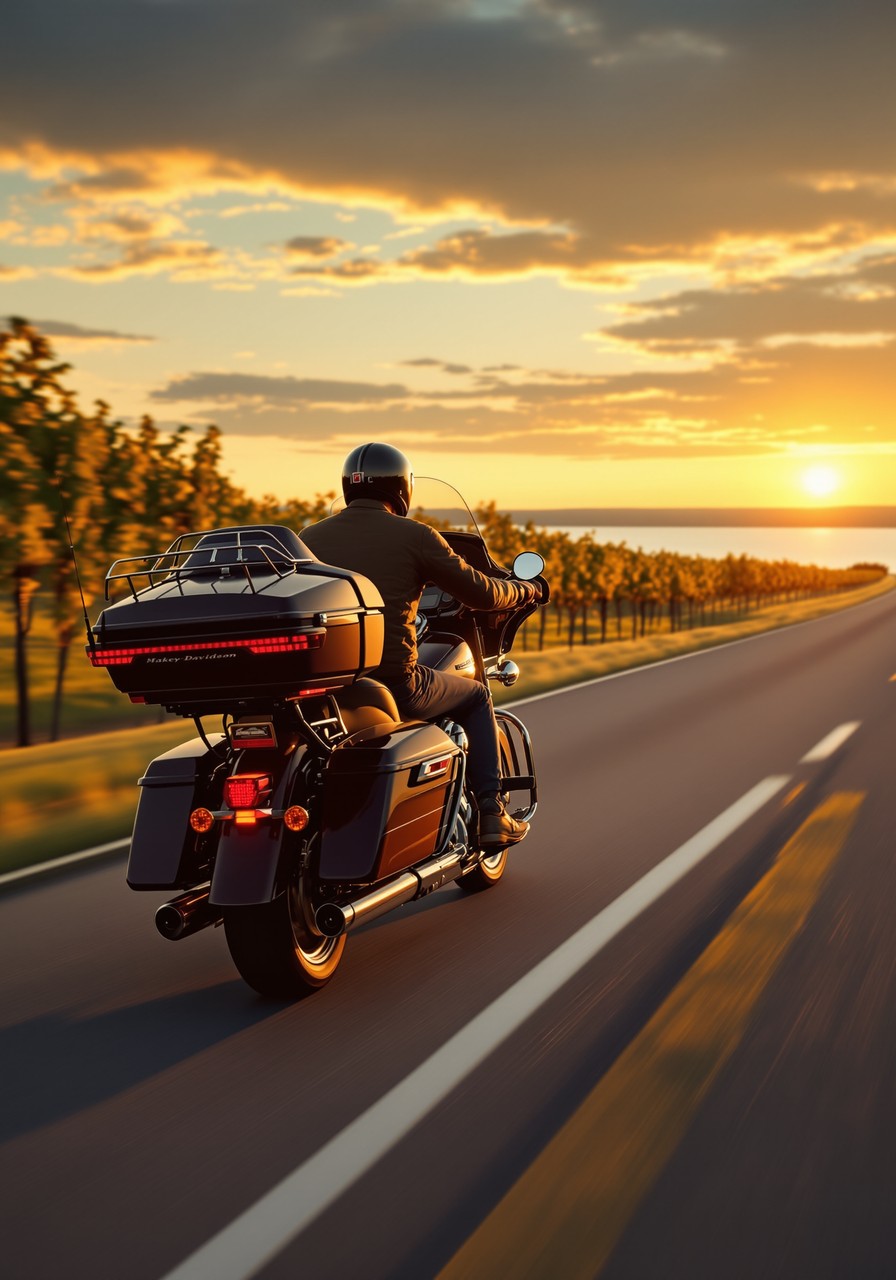
Ellicottville in the fall is hard to beat. Rolling hills, color everywhere, and a great lunch spot waiting at the end. #RideNationNY #Ellicottville #WNYRiders #MotorcycleRoads
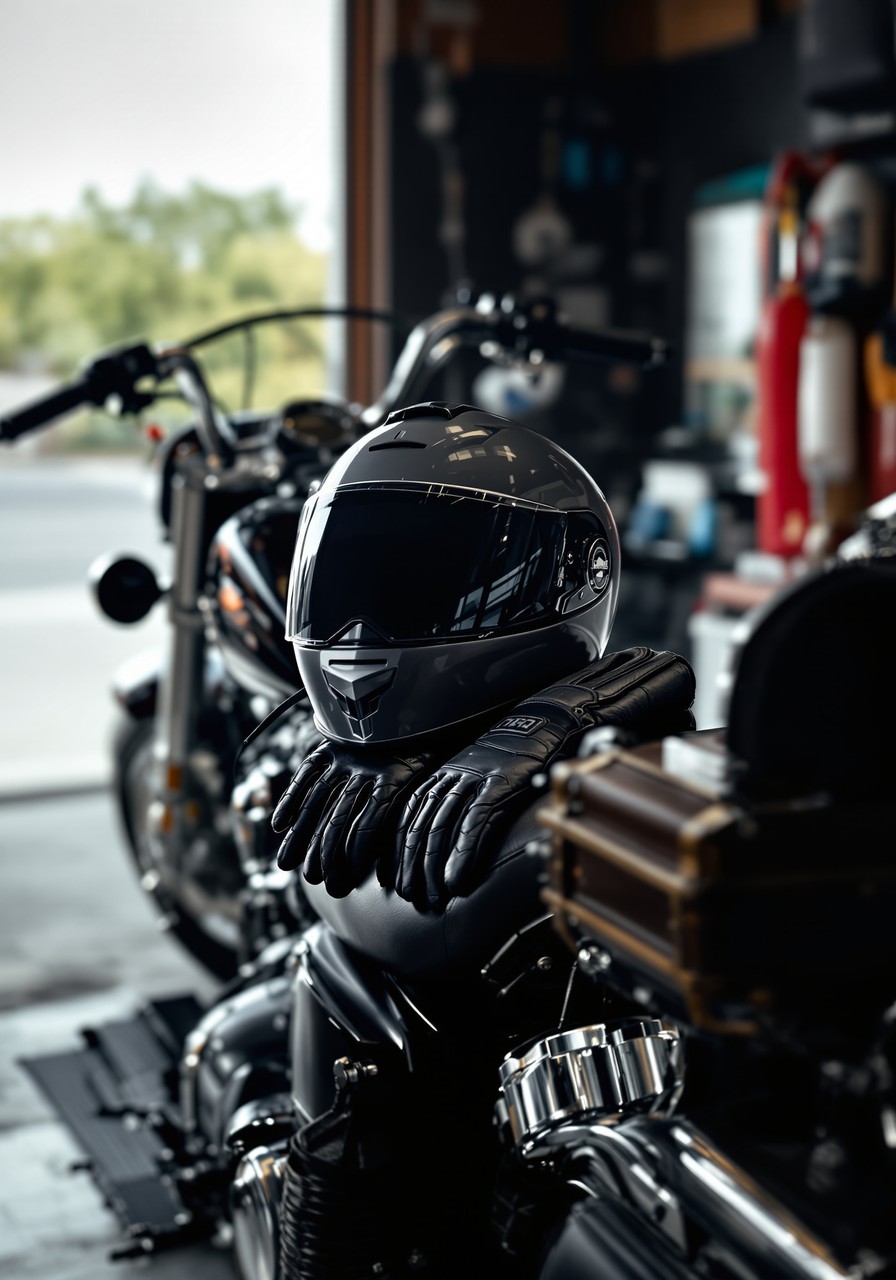
Gear & New Iron
Storing the bike for a long Buffalo winter? Add fuel stabilizer, fill the tank, then run it a few minutes to circulate. #RideNationNY #MotorcycleMaintenance #BuffaloRiders
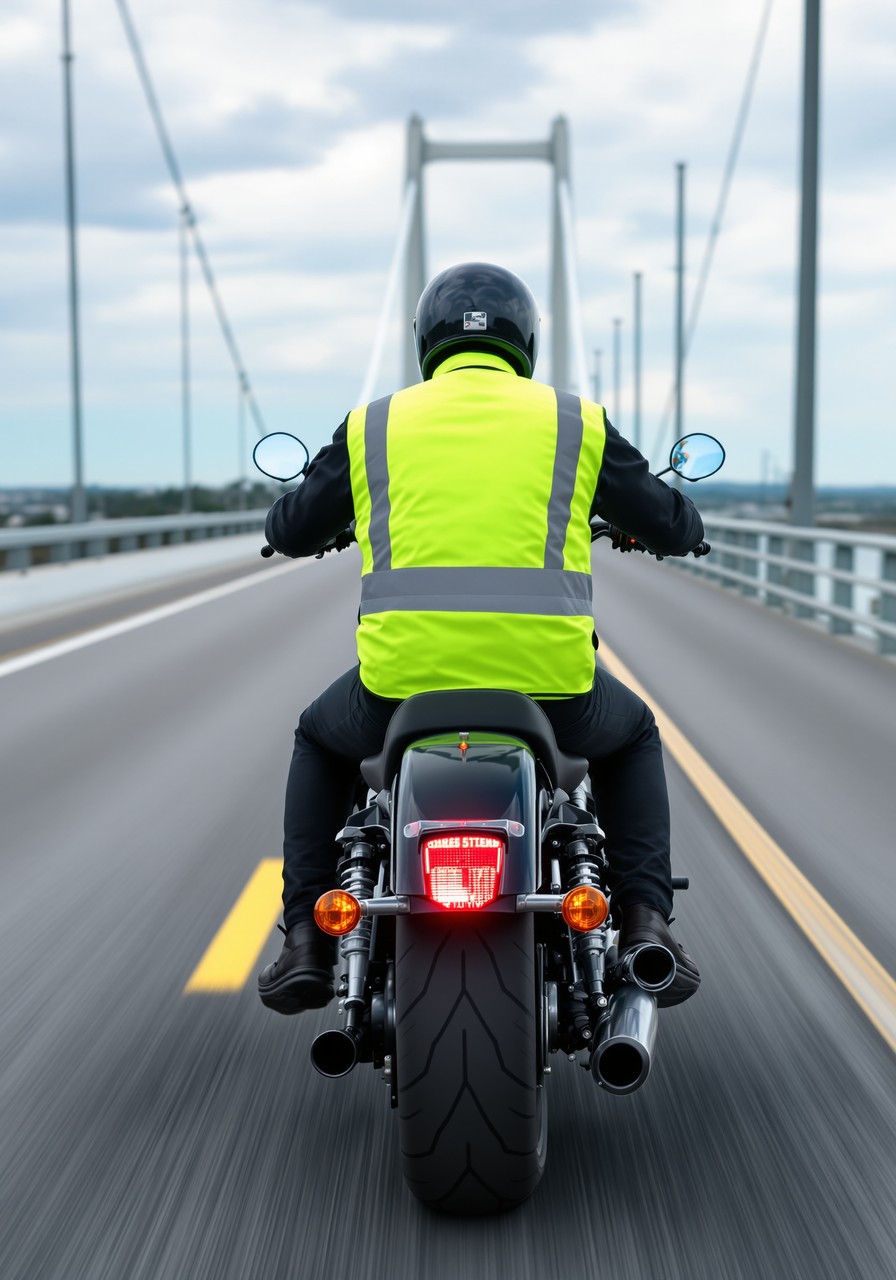
Safety & NY Law
Frost heaves and potholes can put you down without another vehicle in sight. Photograph the spot and report it. Call (716) 333-0043 if a road defect hurt you. #RideNationNY #BuffaloRiders #MotorcycleSafety
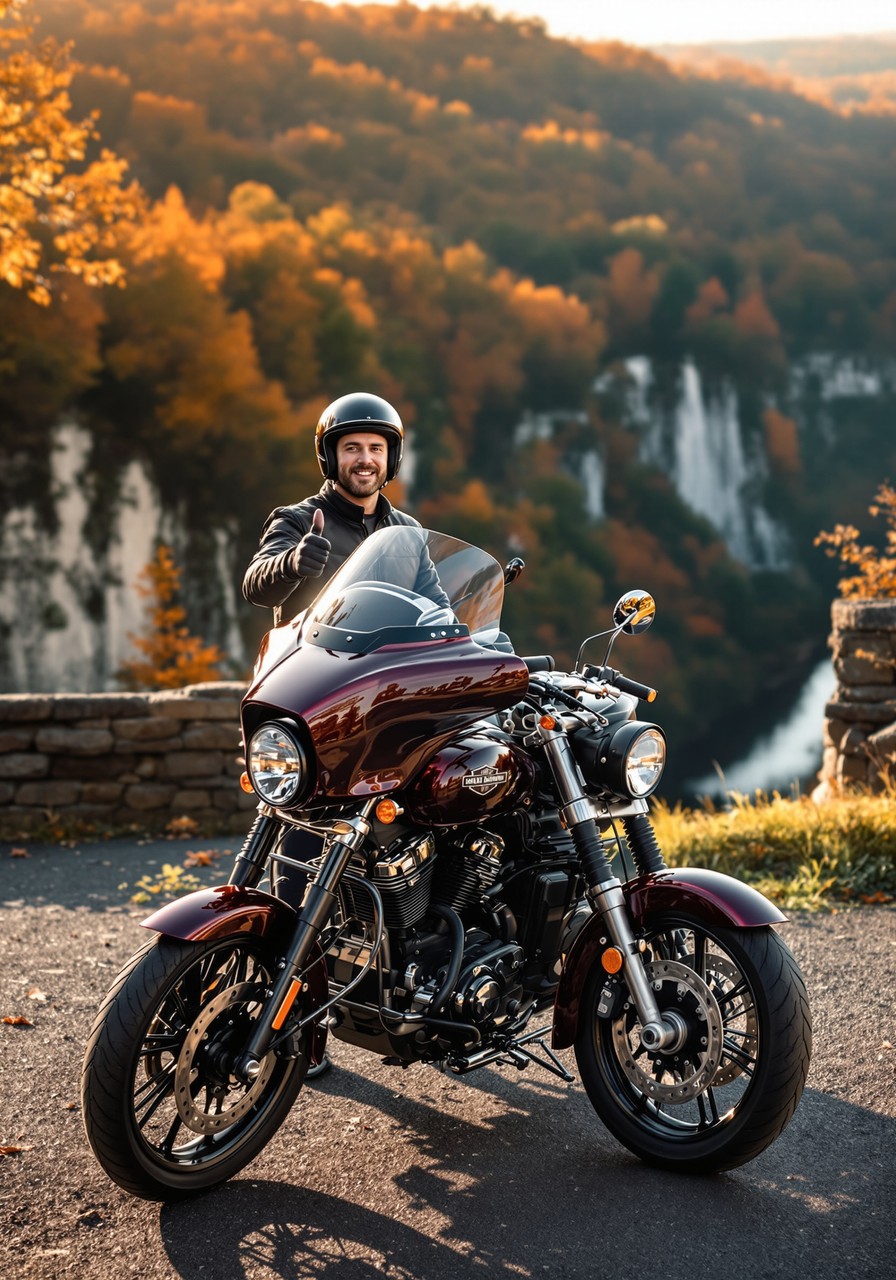
Engagement
What is the one song that has to be in your head on the first dry day of the year? #RideNationNY #BuffaloRiders #NewYorkRiders
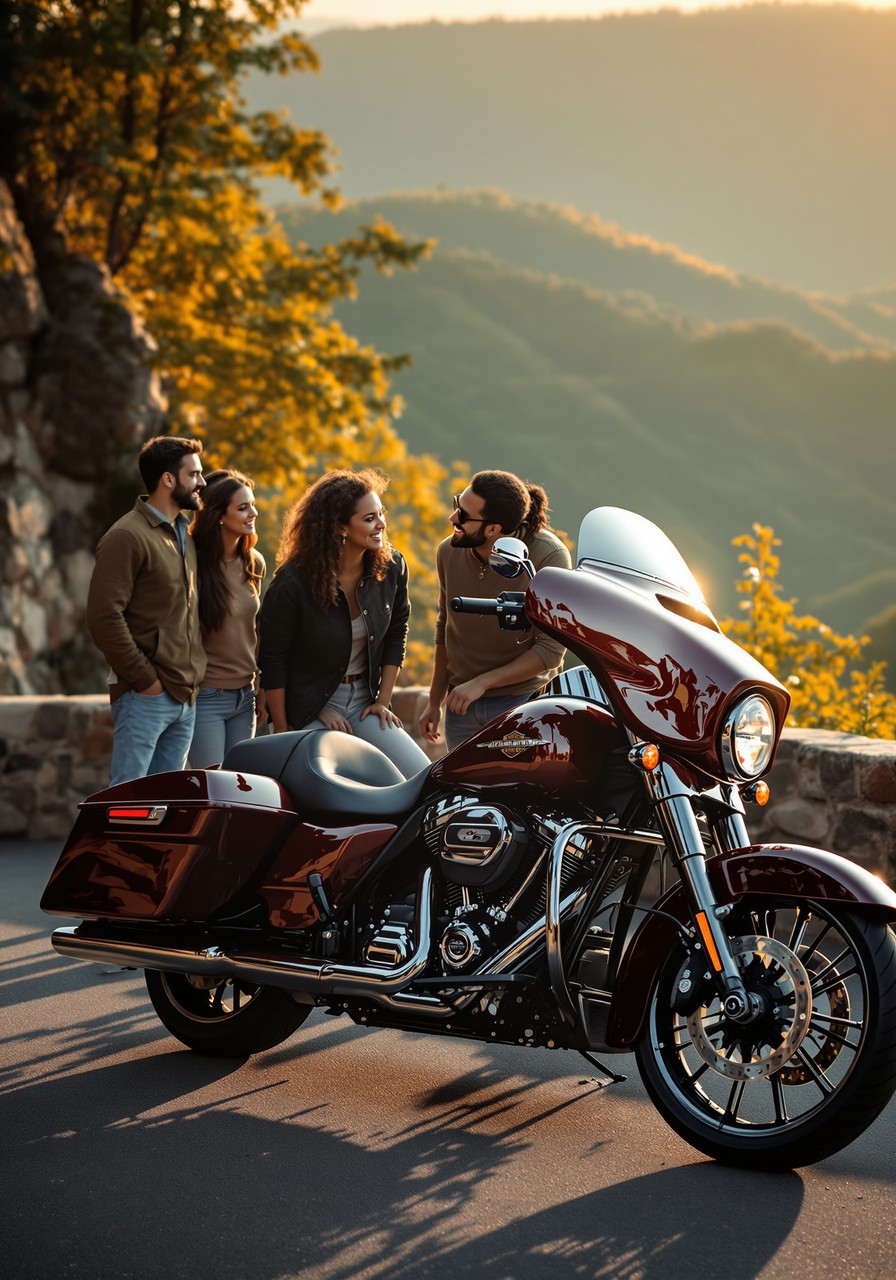
Giveaway & Countdown
Not sure how to enter the BikersWin giveaway? Give The Nicotra Law Firm a ring at (716) 333-0043 and we'll walk you through it. Easy, friendly, free. #RideNationNY #BikersWin #WNYRiders
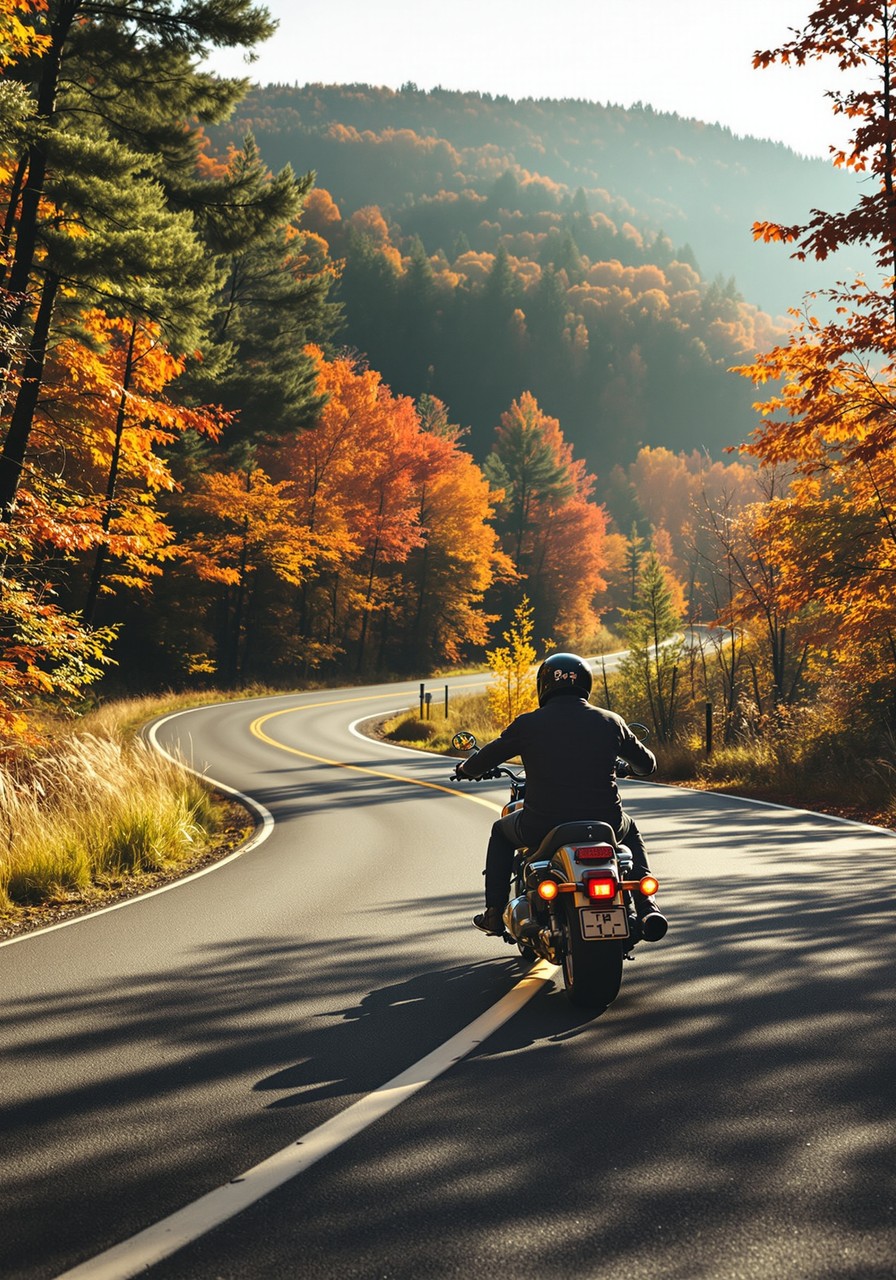
Local NY & Rides
Steel-grate bridge decks make the front end feel light and squirrelly, and worse when wet or icy. Stay loose on the bars and don't fight it. #RideNationNY #BuffaloRiders #NewYorkRiders
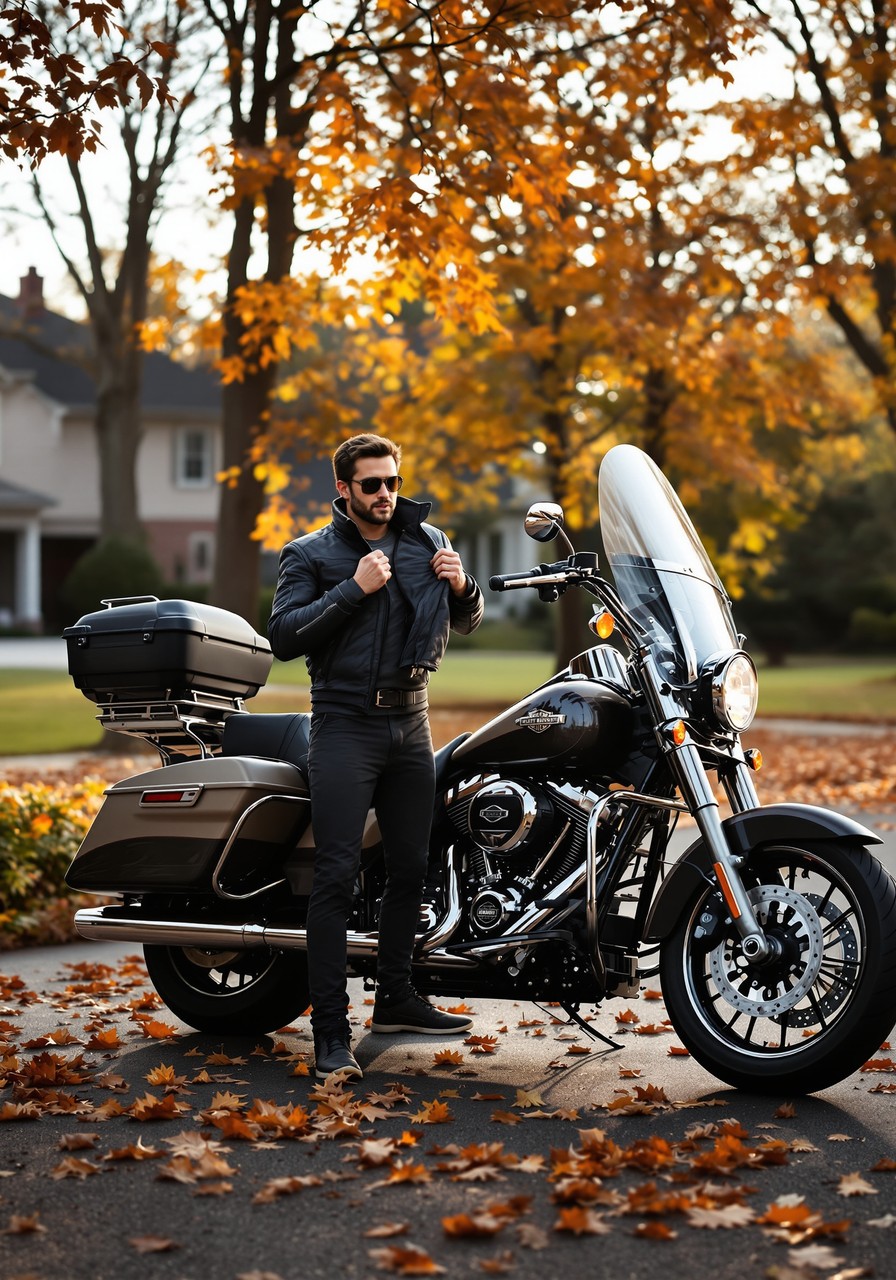
Gear & New Iron
A full tank in storage means less room for moisture and less rust inside. Stabilizer keeps the fuel fresh till April. #RideNationNY #MotorcycleMaintenance #RiderTips
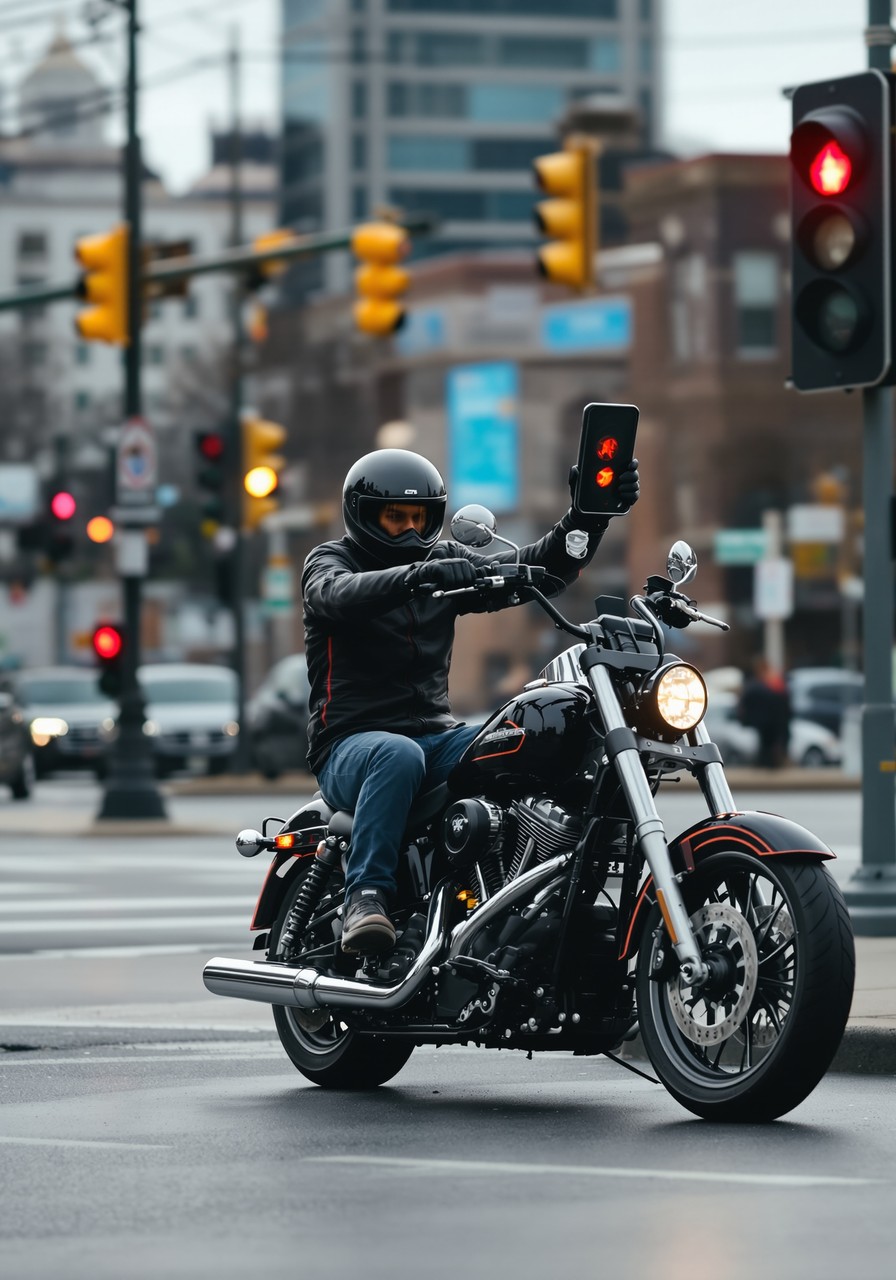
Safety & NY Law
Insurers love to shift blame onto the rider. In New York your fault only reduces your recovery, it never erases it. Document everything and call (716) 333-0043. #RideNationNY #RiderRights #KnowYourRights
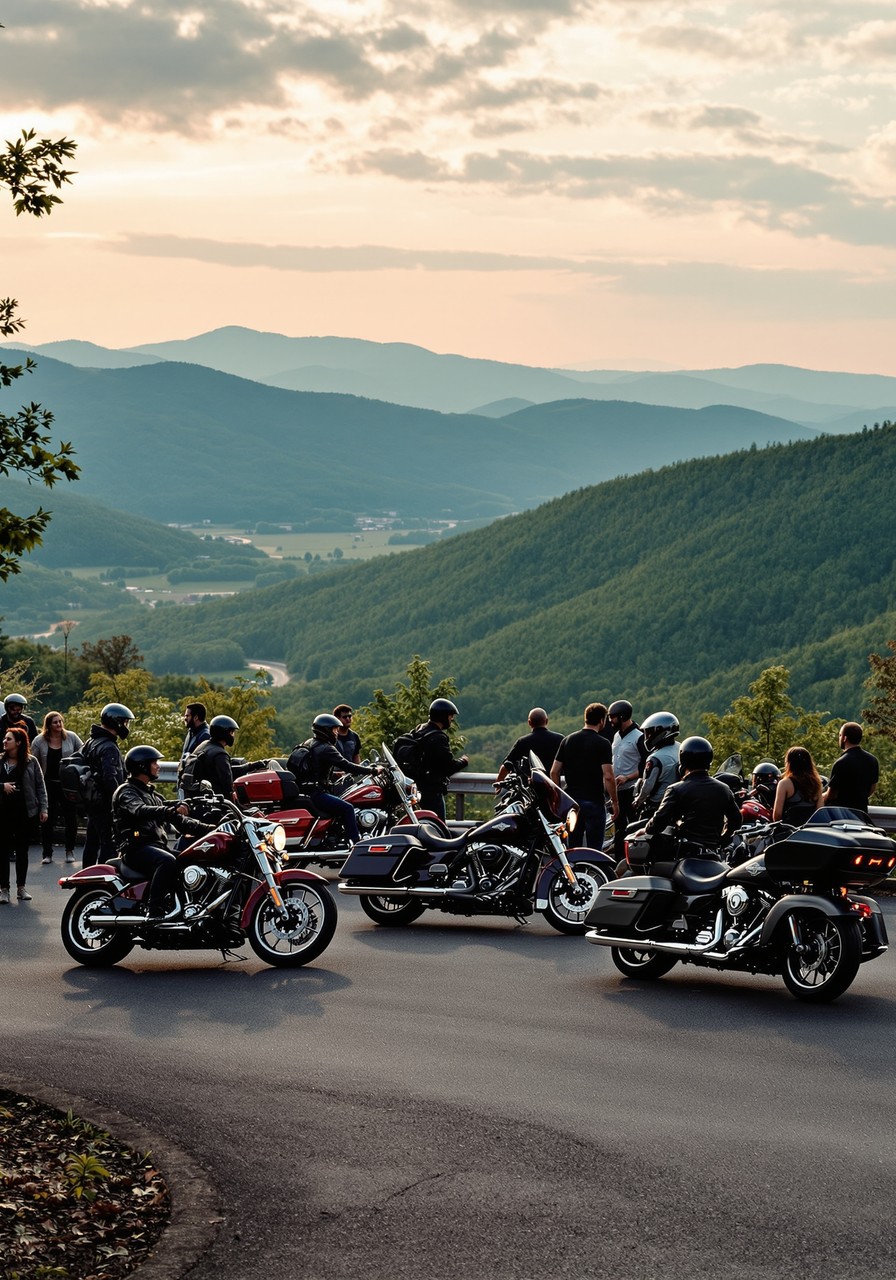
Engagement
This or that: a sunrise ride to Niagara Falls or a sunset ride down Lake Erie. #RideNationNY #LakeErie #WNYRiders
Giveaway & Countdown
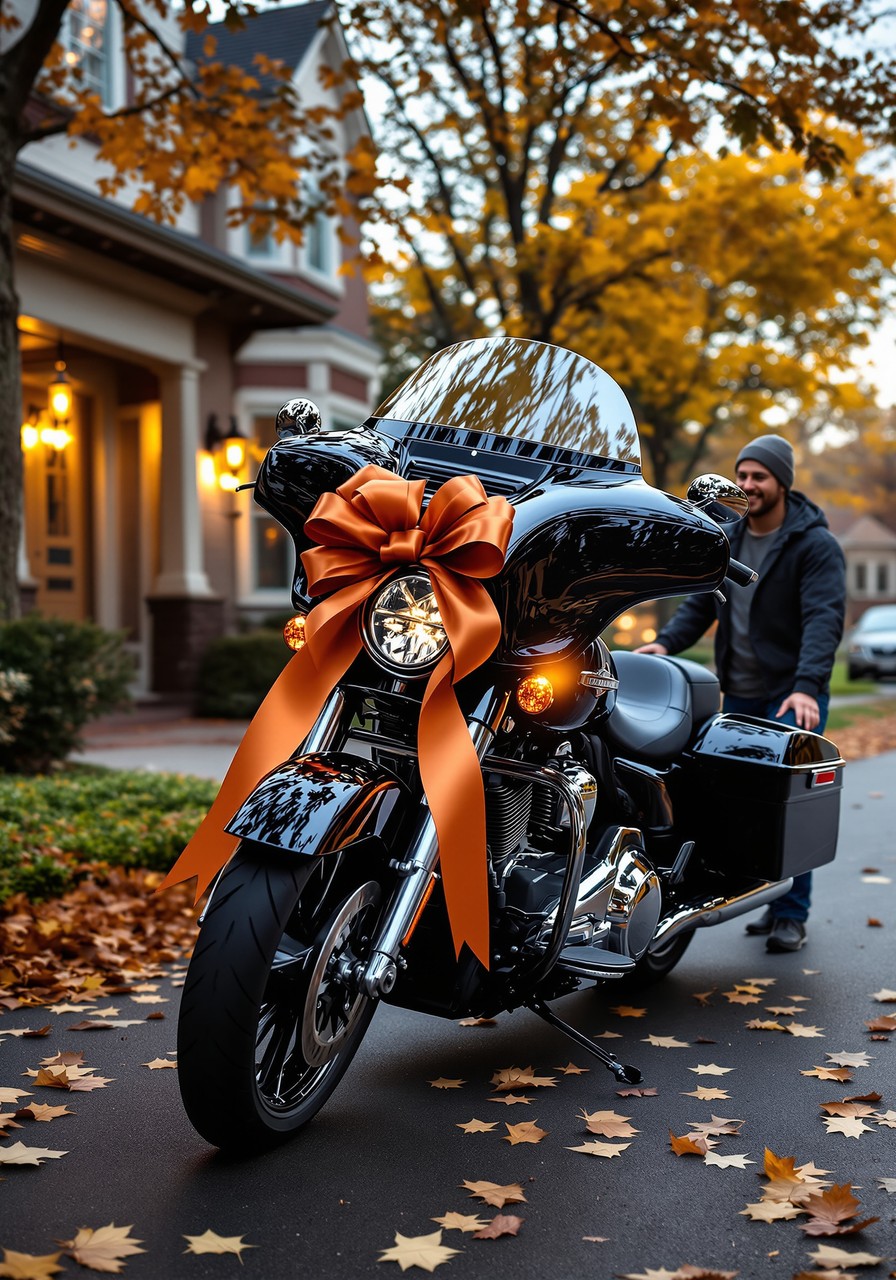
Ride Nation Buffalo, we're building momentum. Every share gets this giveaway in front of one more rider. #RideNationNY #BikersWin #BuffaloRiders
Local NY & Rides
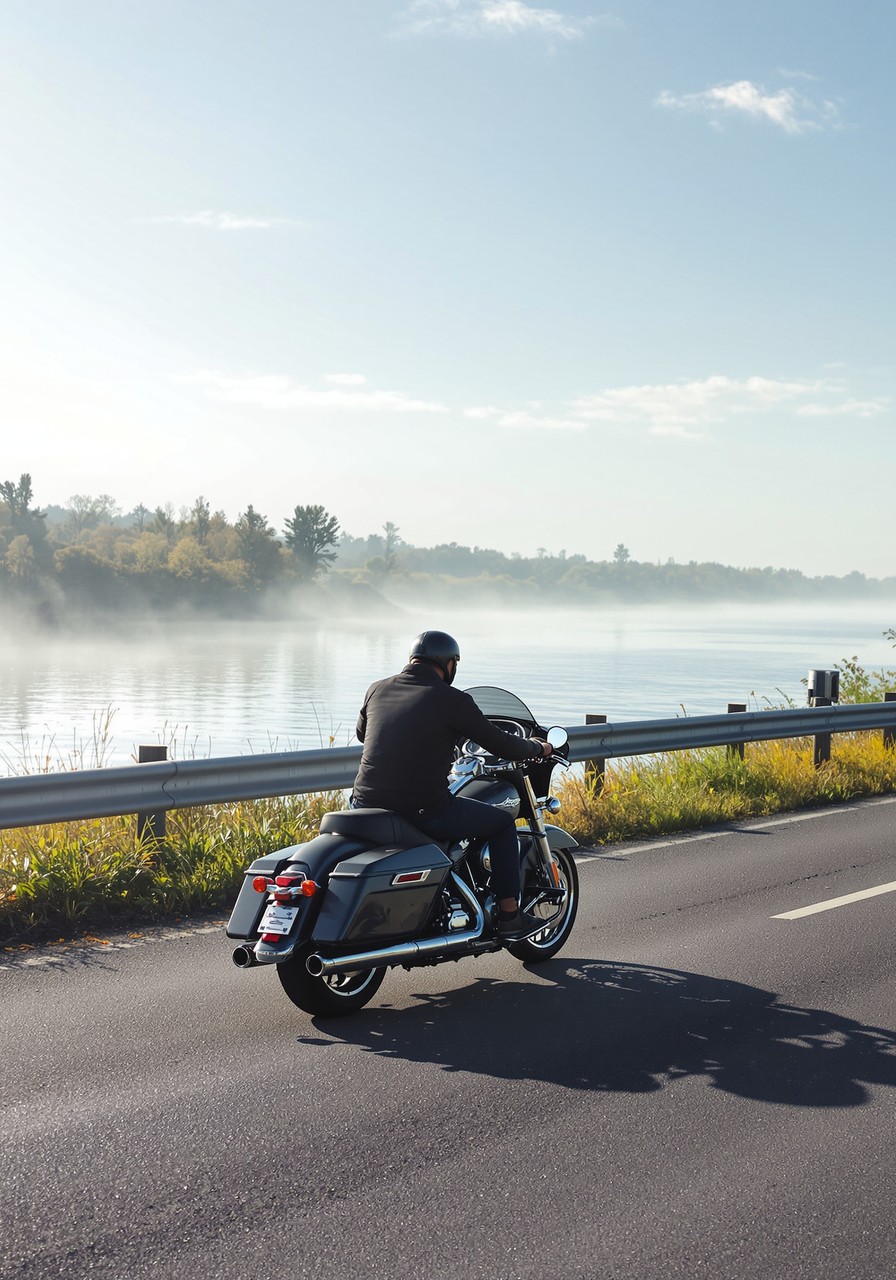
Deer at dusk on the Southtowns backroads is a real thing. Slow down after sunset on US-219 and the roads around it, and scan the ditches. #RideNationNY #WNYRiders #BuffaloRiders
Gear & New Iron
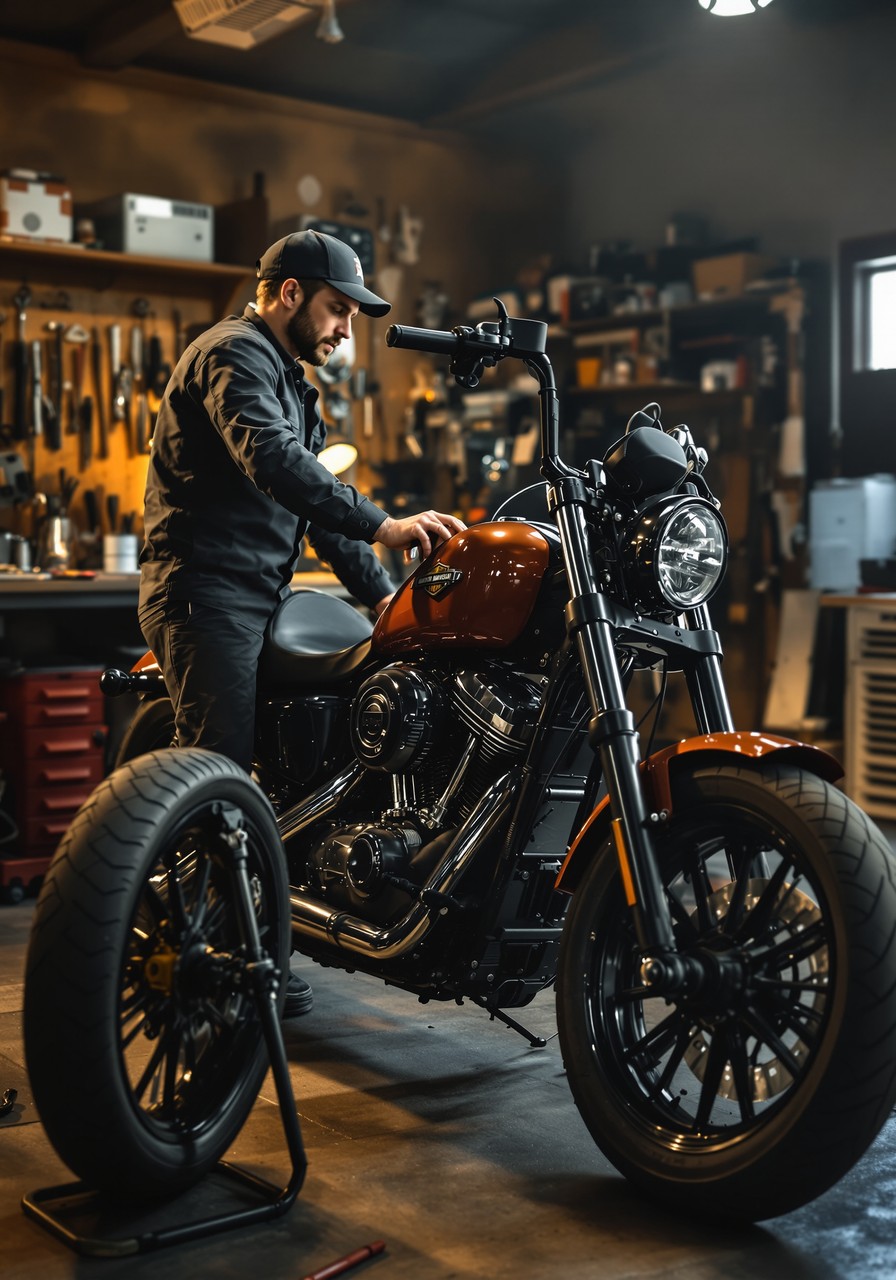
Tire pressure drops about a pound for every 10 degrees. Check it cold, and check it often when the temps swing. #RideNationNY #MotorcycleMaintenance #ColdWeatherRiding
Safety & NY Law
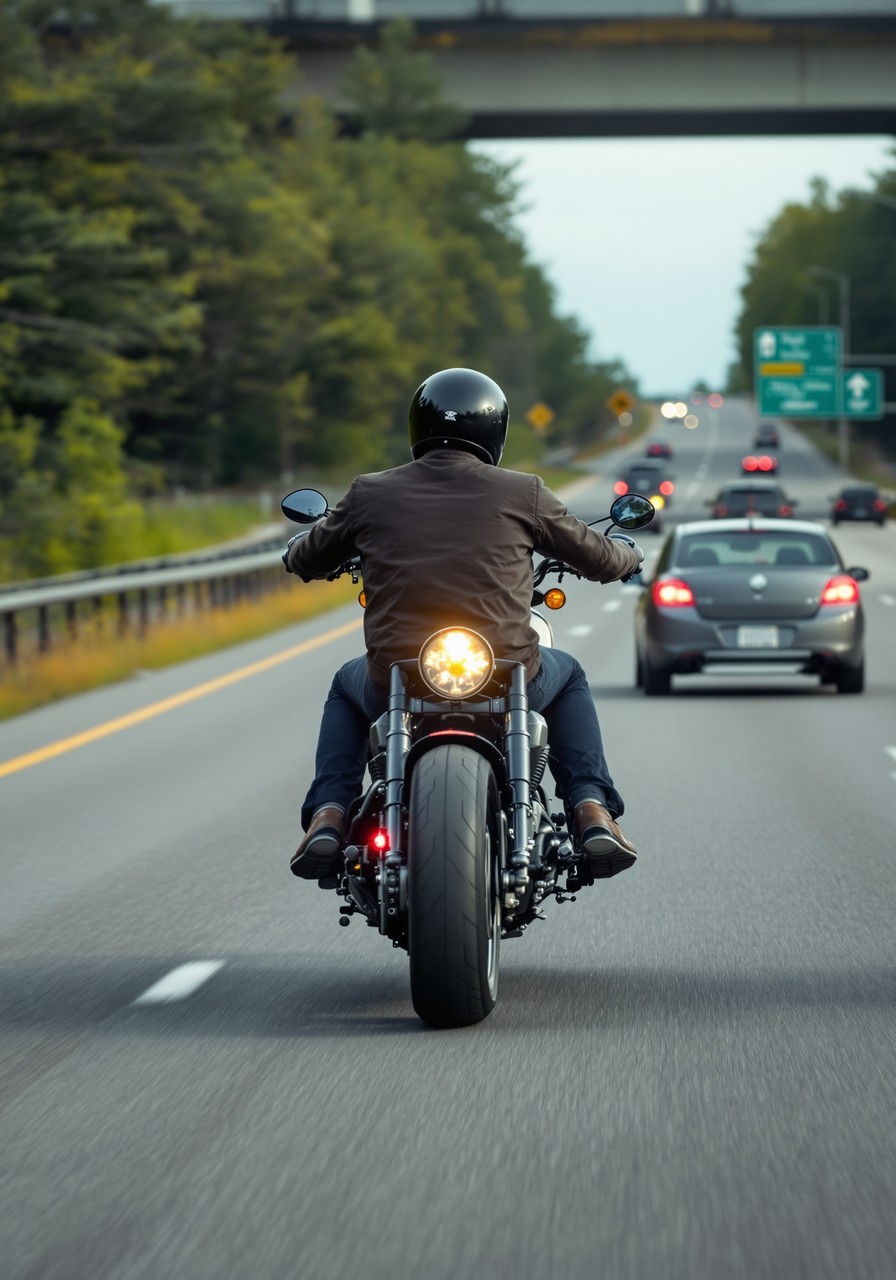
After a crash, take photos of the scene, the vehicles, your gear and the road before anything moves. That evidence protects you. Need help? Call (716) 333-0043. #RideNationNY #NewYorkRiders #BuffaloRiders
Engagement
Name the best gas station coffee stop in Western New York. Go. #RideNationNY #WNYRiders #NewYorkRiders
Giveaway & Countdown
Picture it: your name called, a brand new $20,000 motorcycle with your name on it. Start with a free talk about your claim at (716) 333-0043. #RideNationNY #20kGiveaway #MotorcycleGiveaway
Local NY & Rides
Niagara River parkway on a quiet Sunday morning. Water on one side, trees on the other, and the Falls at the end of the run. #RideNationNY #NiagaraFalls #BuffaloRiders #MotorcycleRoads
Gear & New Iron
Find the four-digit date code on your tire sidewall. Anything past 5 or 6 years old is due, even with tread left. #RideNationNY #RiderTips #MotorcycleMaintenance
Safety & NY Law
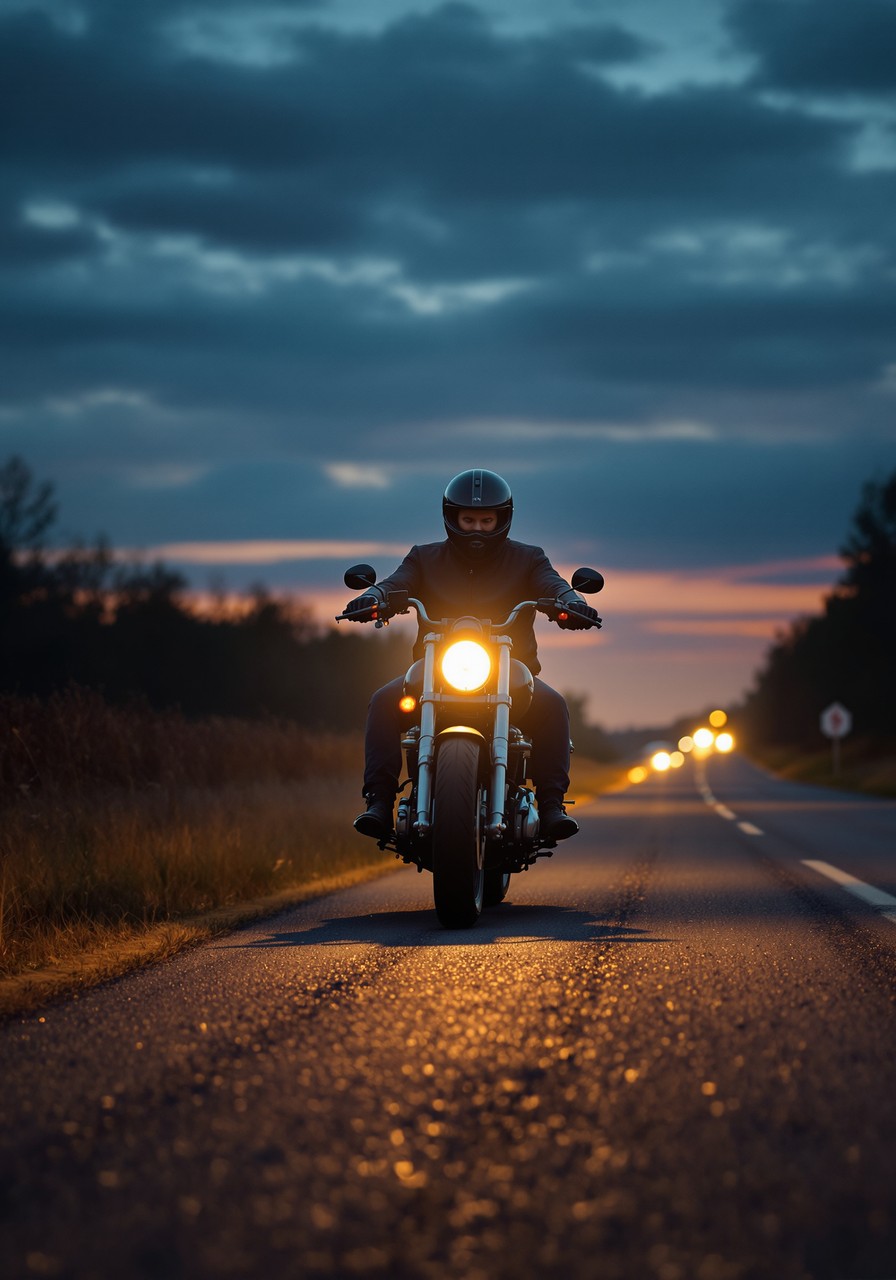
Do not give a recorded statement to the other driver's insurer before you understand your rights. Call The Nicotra Law Firm first at (716) 333-0043. #RideNationNY #RiderRights #WNYRiders
Engagement
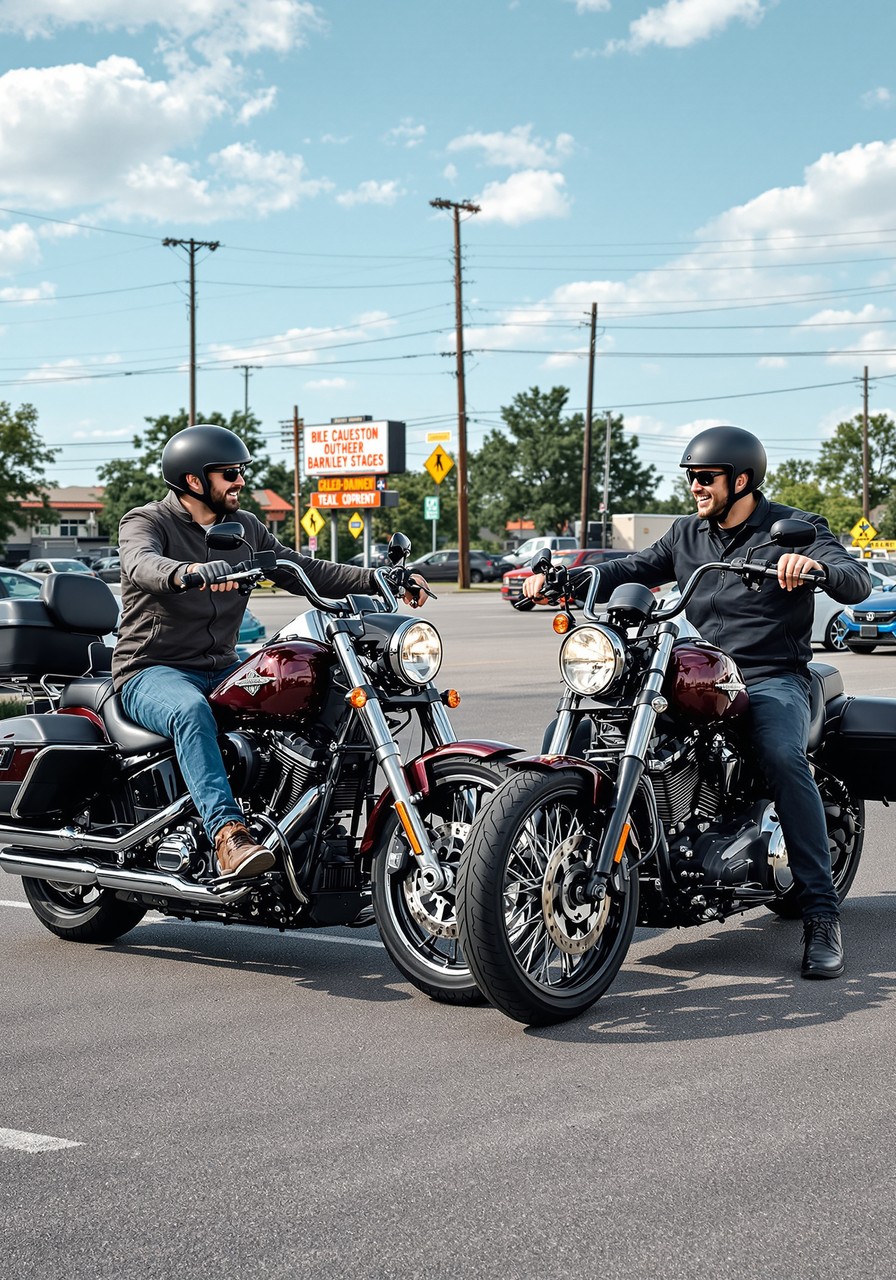
Snow on the ground, bike in the garage. What is the first thing you do when you walk past it? #RideNationNY #BuffaloRiders #TwoWheels
Giveaway & Countdown
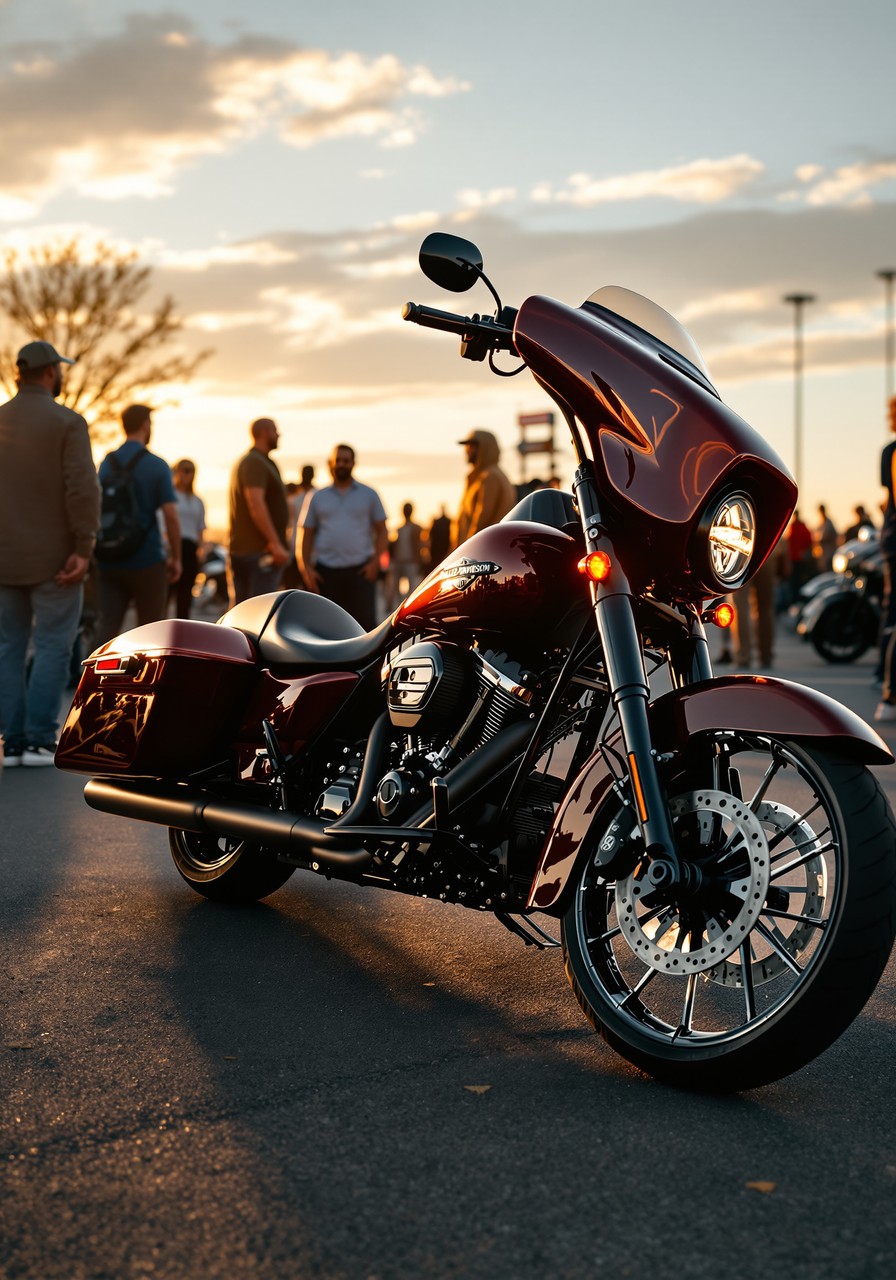
Another week closer, WNY. The $20,000 motorcycle giveaway is still rolling and the excitement is real. #RideNationNY #MotorcycleGiveaway #WNYRiders
Local NY & Rides
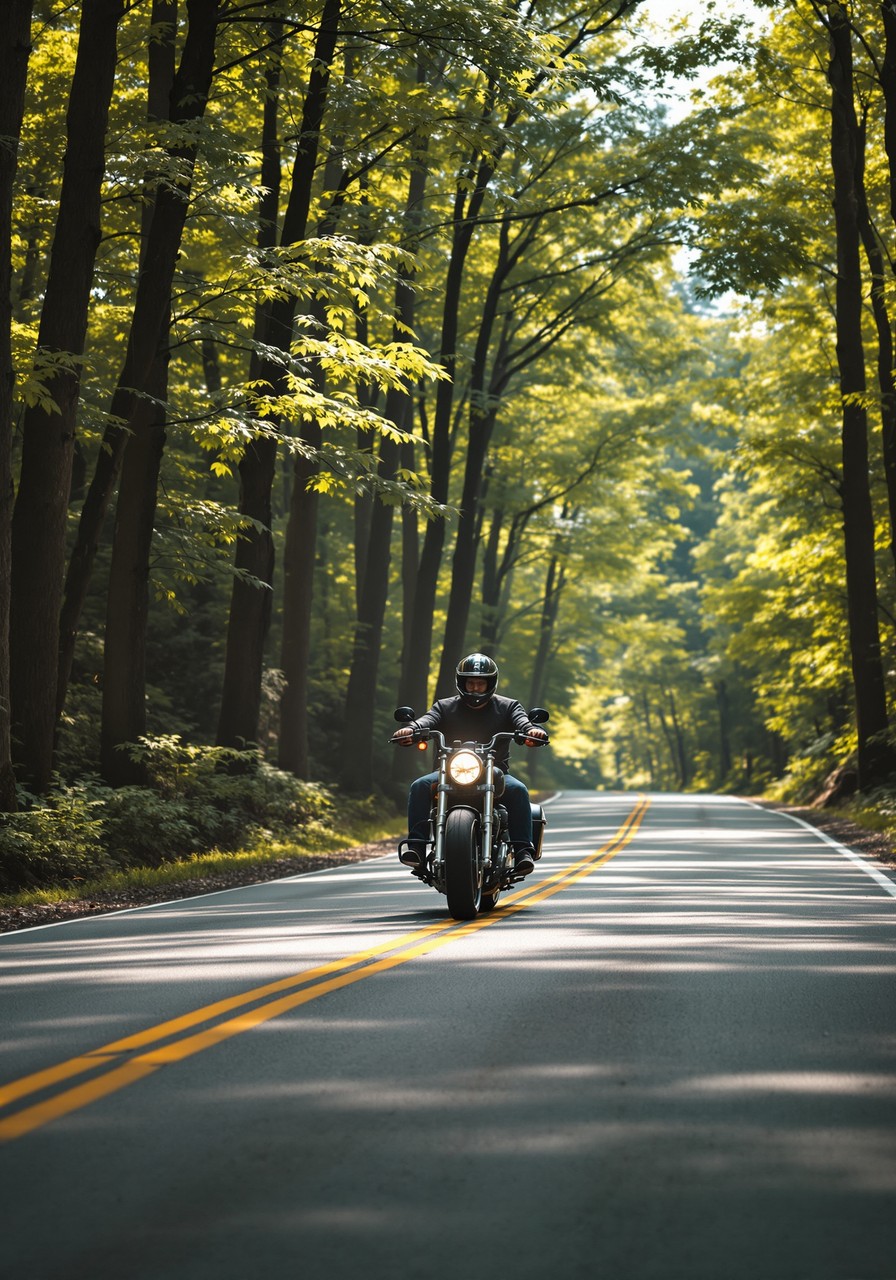
Allegany State Park has miles of wooded road and almost no traffic on a weekday. Pack a lunch and pick a trail-side stop. #RideNationNY #Ellicottville #WNYRiders #NewYorkRiders
Gear & New Iron
Tread depth is only half the story. Look for cracks, flat spots and hardening before the first cold ride of fall. #RideNationNY #RiderTips #GearUp
Safety & NY Law
Black ice on Skyway and bridge decks forms before the rest of the road does. Ease off the throttle, no sudden braking. Hurt out there? Call (716) 333-0043. #RideNationNY #BuffaloRiders #MotorcycleSafety
Engagement
Cruiser, sport bike, or adventure rig: what is in your garage this winter? #RideNationNY #WNYRiders #TwoWheels
Giveaway & Countdown
Hurt on your bike in Western New York? Talk to The Nicotra Law Firm, get free guidance, and get entered in the BikersWin giveaway. (716) 333-0043. #RideNationNY #BikersWin #NewYorkRiders
Local NY & Rides
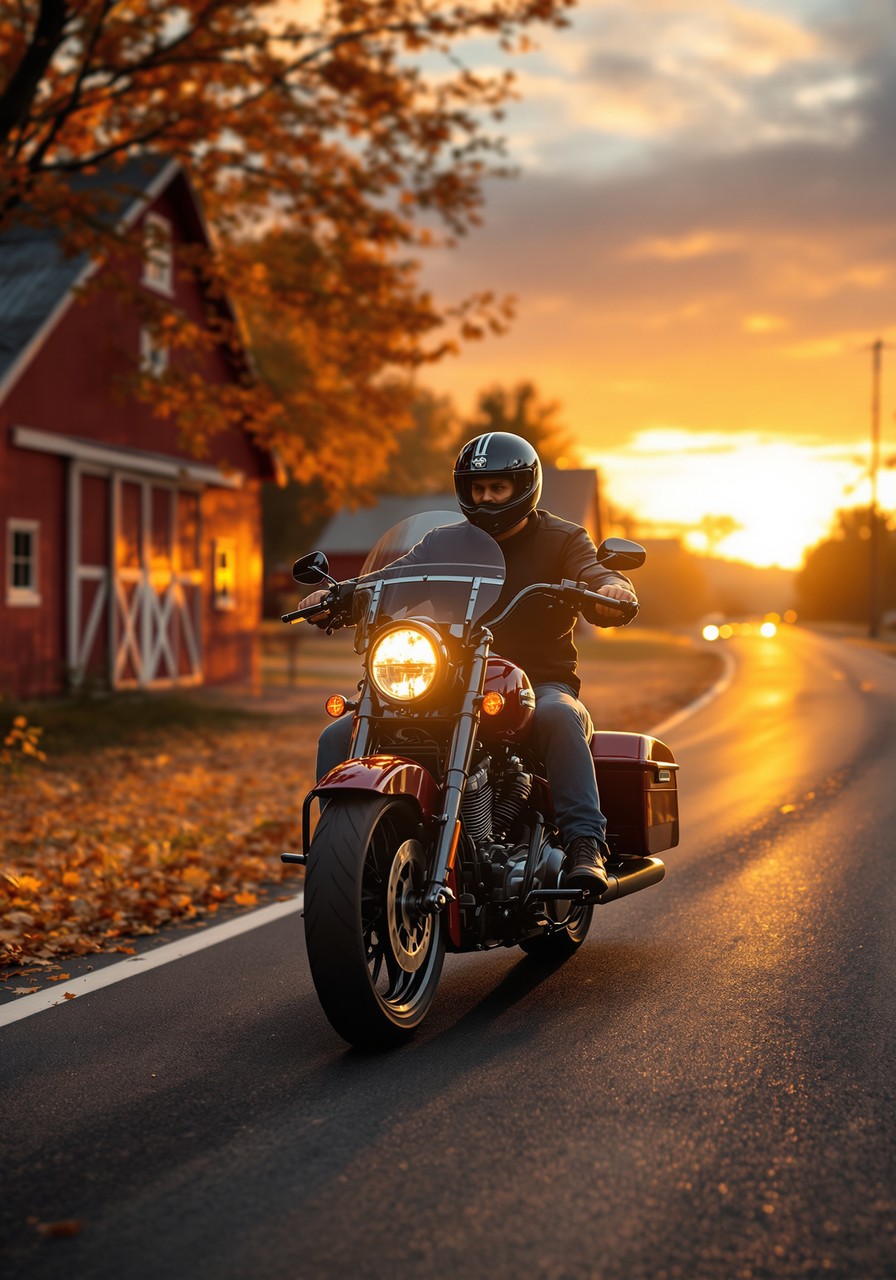
Black ice doesn't show up on the forecast, it shows up on the Skyway at 7 a.m. If it's under 38 and wet, the bike waits. #RideNationNY #BuffaloRiders #WNYRiders
Gear & New Iron
Brake fluid absorbs moisture over time. Swap it every two years or so and your lever stays firm. #RideNationNY #MotorcycleMaintenance #RiderTips
Safety & NY Law
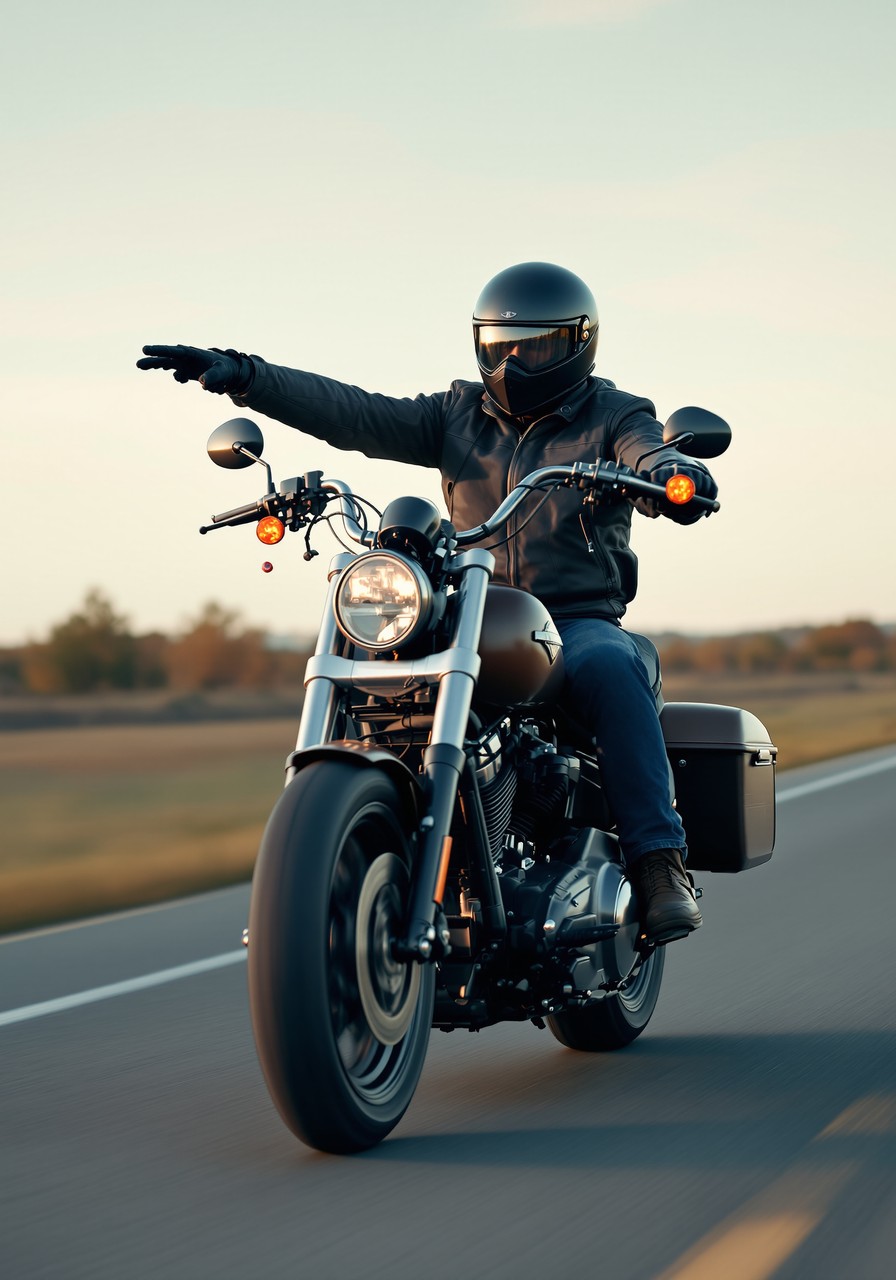
No-fault PIP will not pay a rider's medical bills in New York, so make sure your health coverage is solid. Sorting out a bill after a wreck? Call (716) 333-0043. #RideNationNY #NewYorkRiders #RiderRights
Engagement
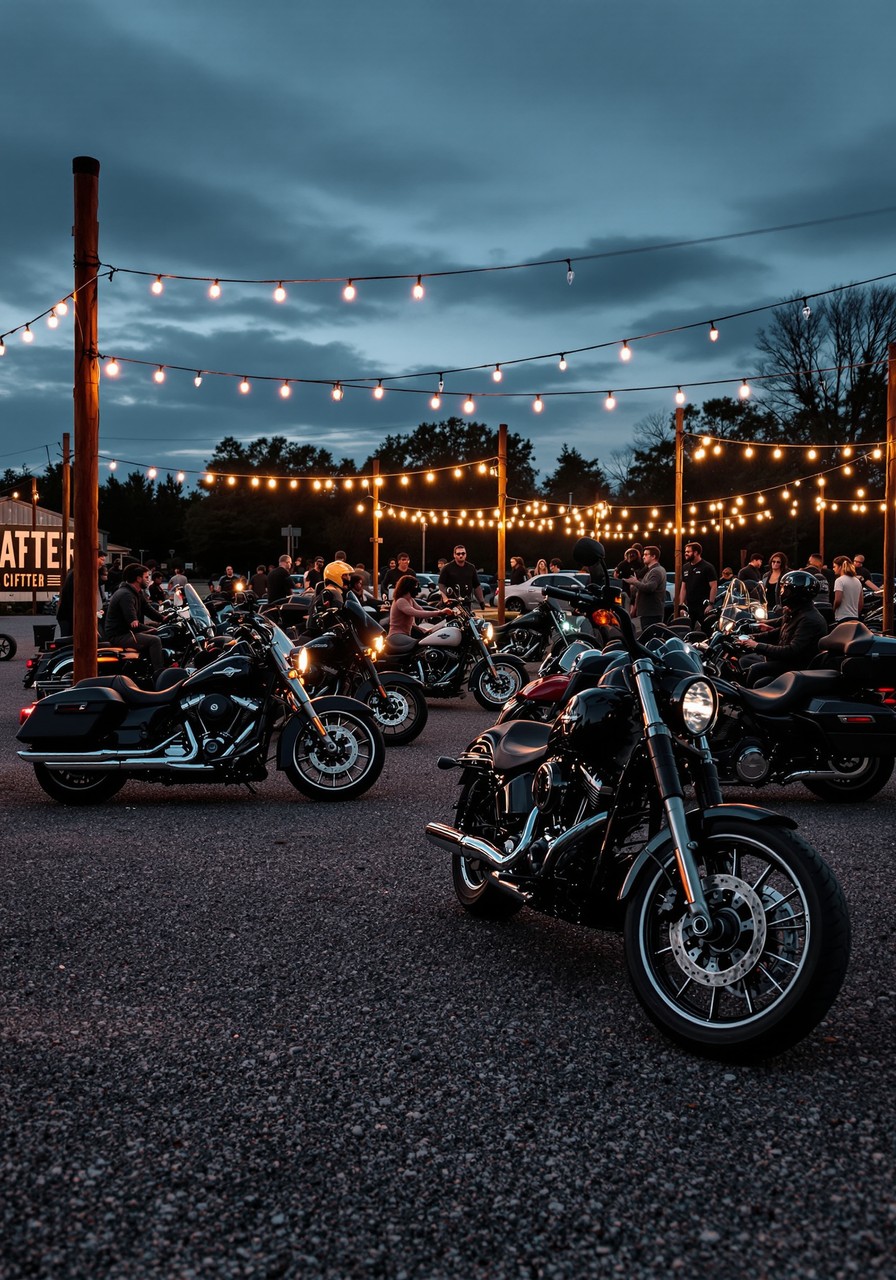
Caption this photo of a rider staring at the forecast: 34 degrees and a 60 percent chance of sleet. #RideNationNY #BuffaloRiders #NewYorkRiders
Giveaway & Countdown
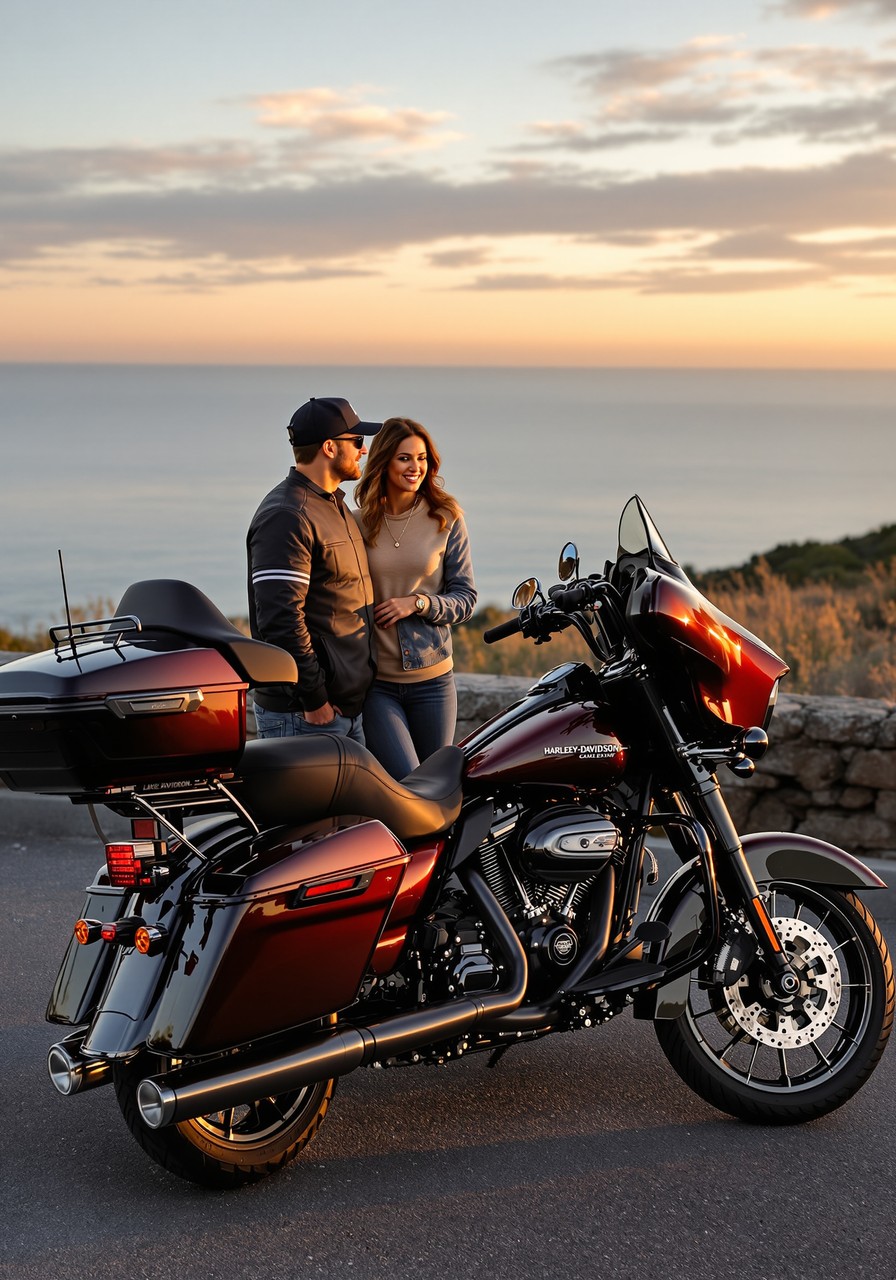
Share this with every rider you know. Free entry, big prize, great community. #RideNationNY #BikersWin #20kGiveaway #BuffaloRiders
Local NY & Rides
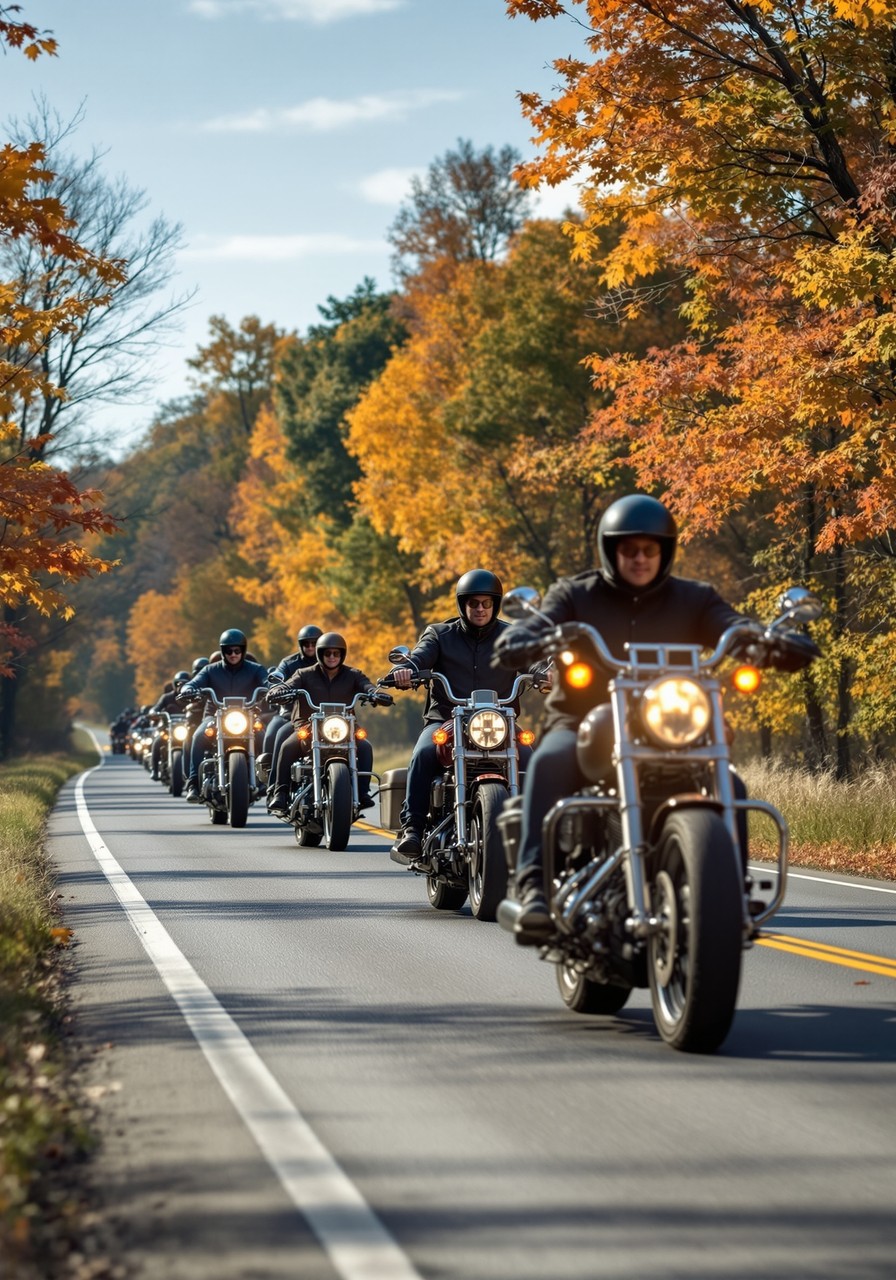
Sand and gravel left over from winter sits in every corner well into May. First rides of the year, treat every turn like it's loose. #RideNationNY #BuffaloRiders #NewYorkRiders
Gear & New Iron
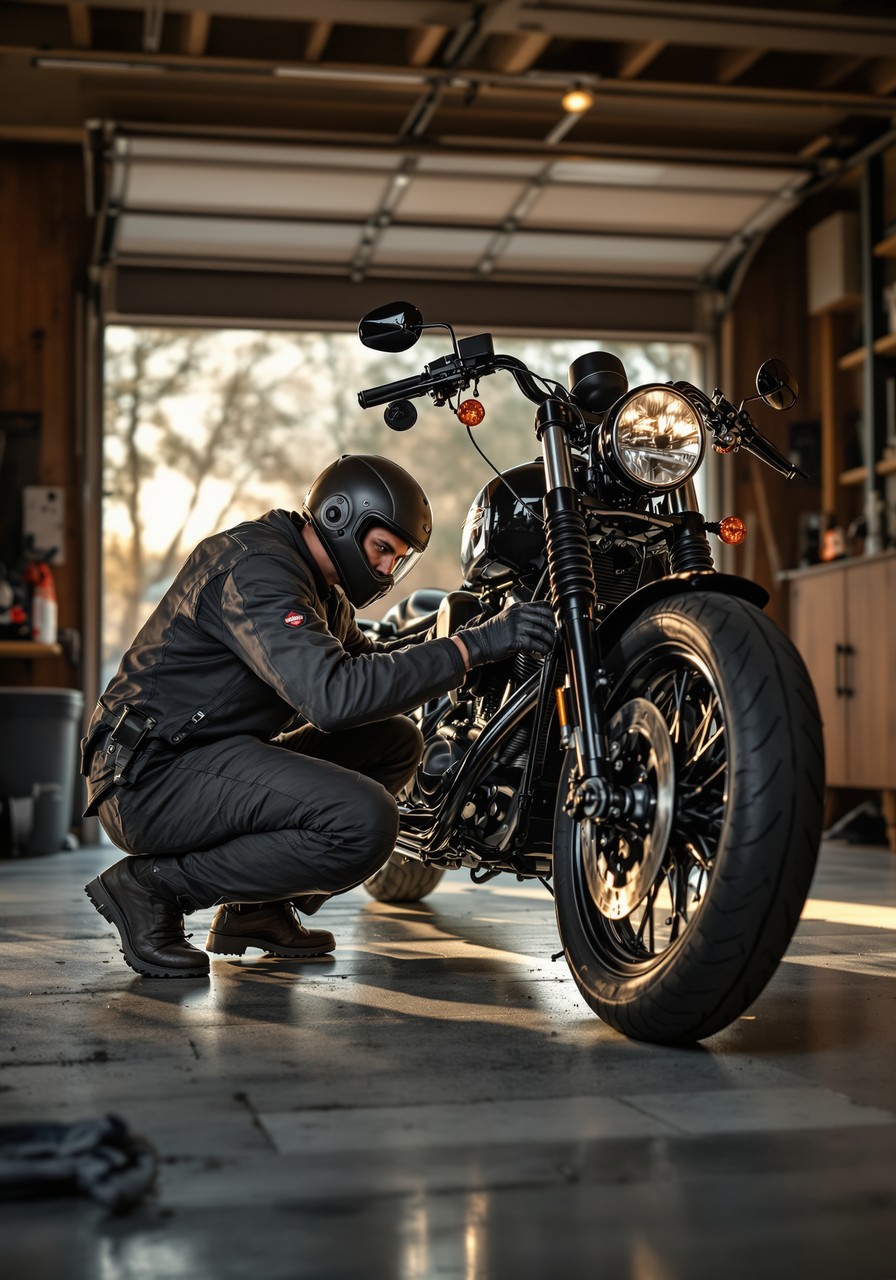
Chain care in the shoulder season: clean it, lube it, and check the slack. Salt and grit wear it out fast. #RideNationNY #MotorcycleMaintenance #BikerLife
Safety & NY Law
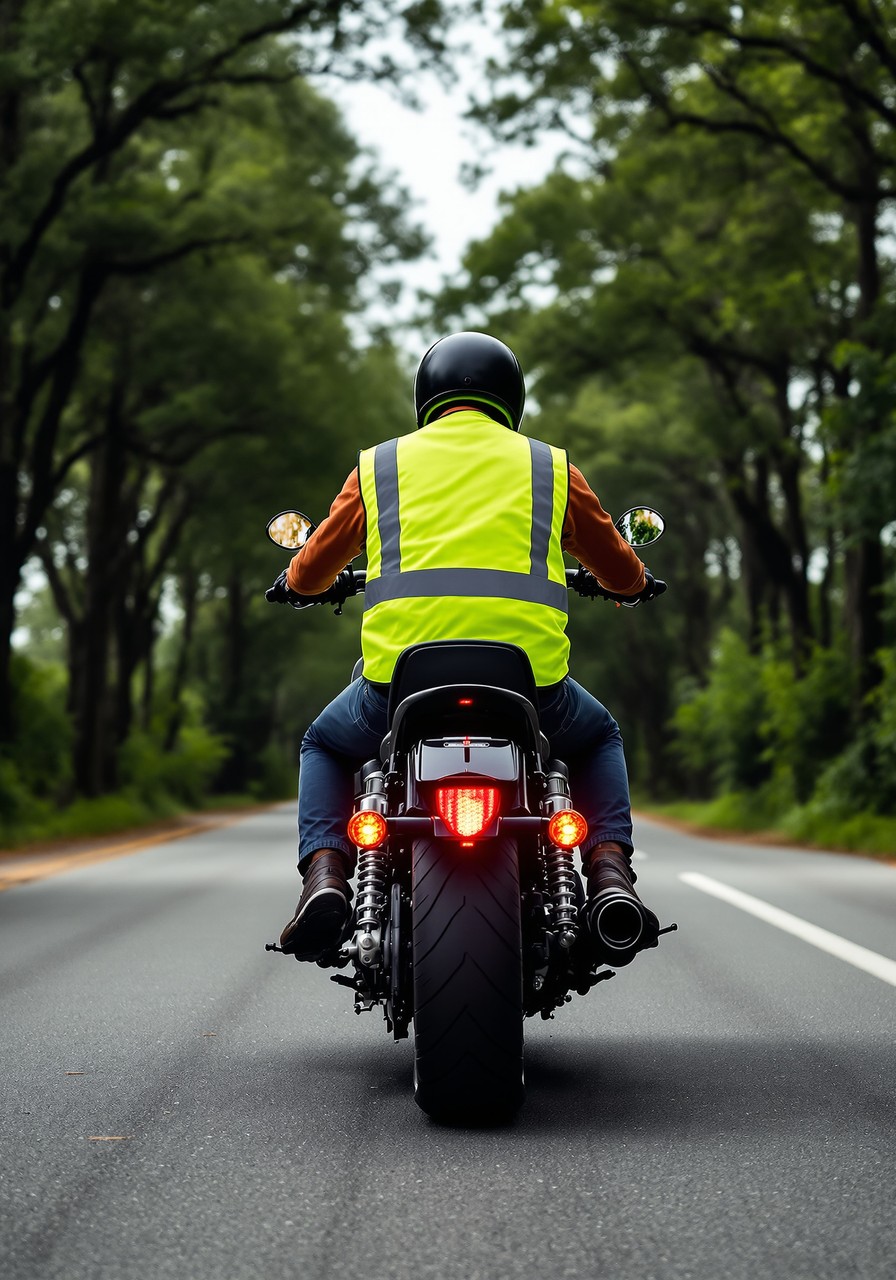
Left-turning drivers cause a huge share of rider crashes. If one cut you off, do not assume it is your fault. Call (716) 333-0043 and let us look at it. #RideNationNY #MotorcycleSafety #WNYRiders
Engagement
Finish this sentence: You know you are a Buffalo rider when ______. #RideNationNY #BuffaloRiders #WNYRiders
Giveaway & Countdown
Winner-energy only in Ride Nation Buffalo today. Somebody's about to have the best riding season of their life. #RideNationNY #MotorcycleGiveaway #BuffaloRiders
Local NY & Rides
Grand Island loop on a clear morning: over the bridge, around the island, back home for breakfast. Easy first ride of the season. #RideNationNY #BuffaloRiders #NiagaraFalls
Gear & New Iron
Lube the chain after a wet ride, not before. Let it sit a bit so it can soak in and hold. #RideNationNY #MotorcycleMaintenance #RiderTips
Safety & NY Law
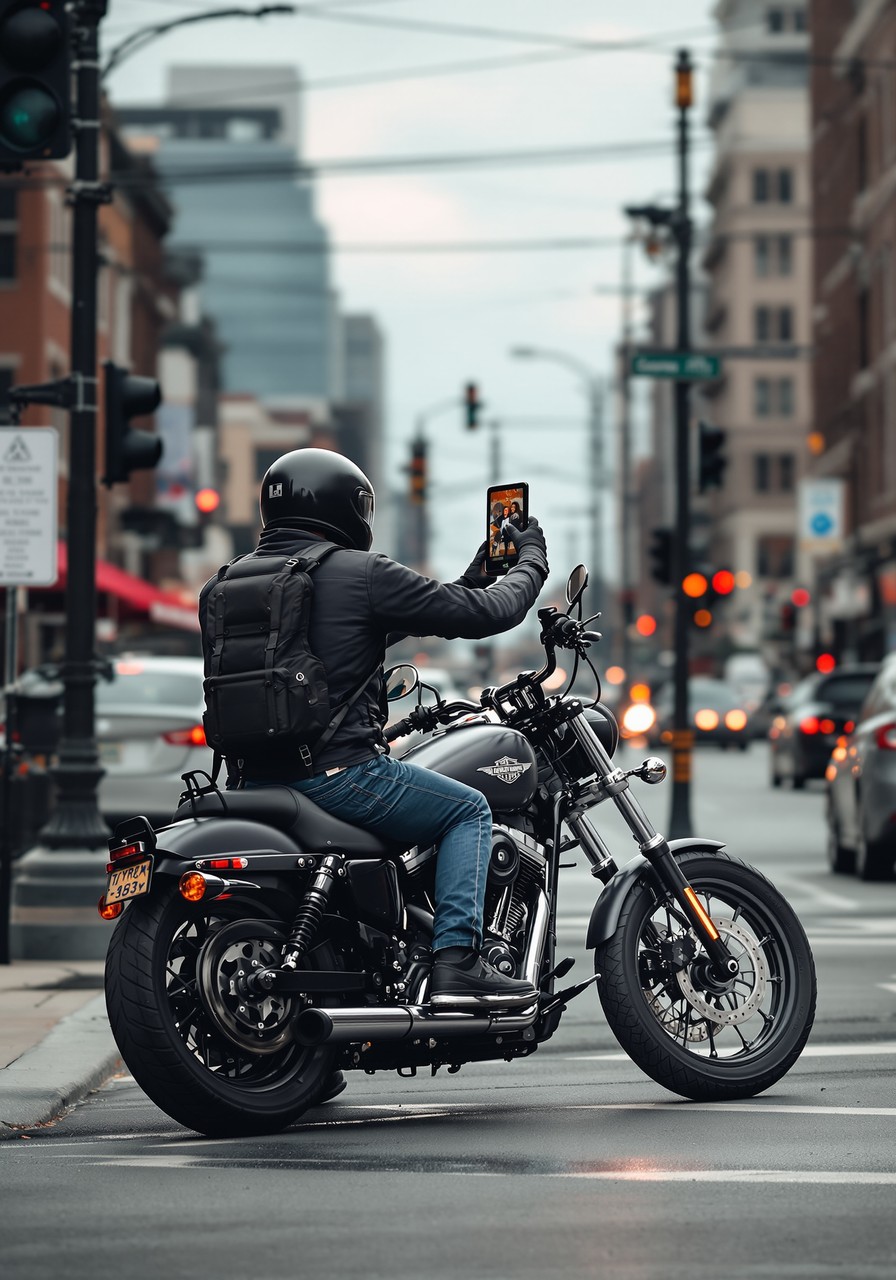
Dashcam and helmet cam footage can settle who had the right of way. Keep the file safe and never edit it. Call (716) 333-0043 if you have video of your crash. #RideNationNY #BuffaloRiders #ATGATT
Engagement
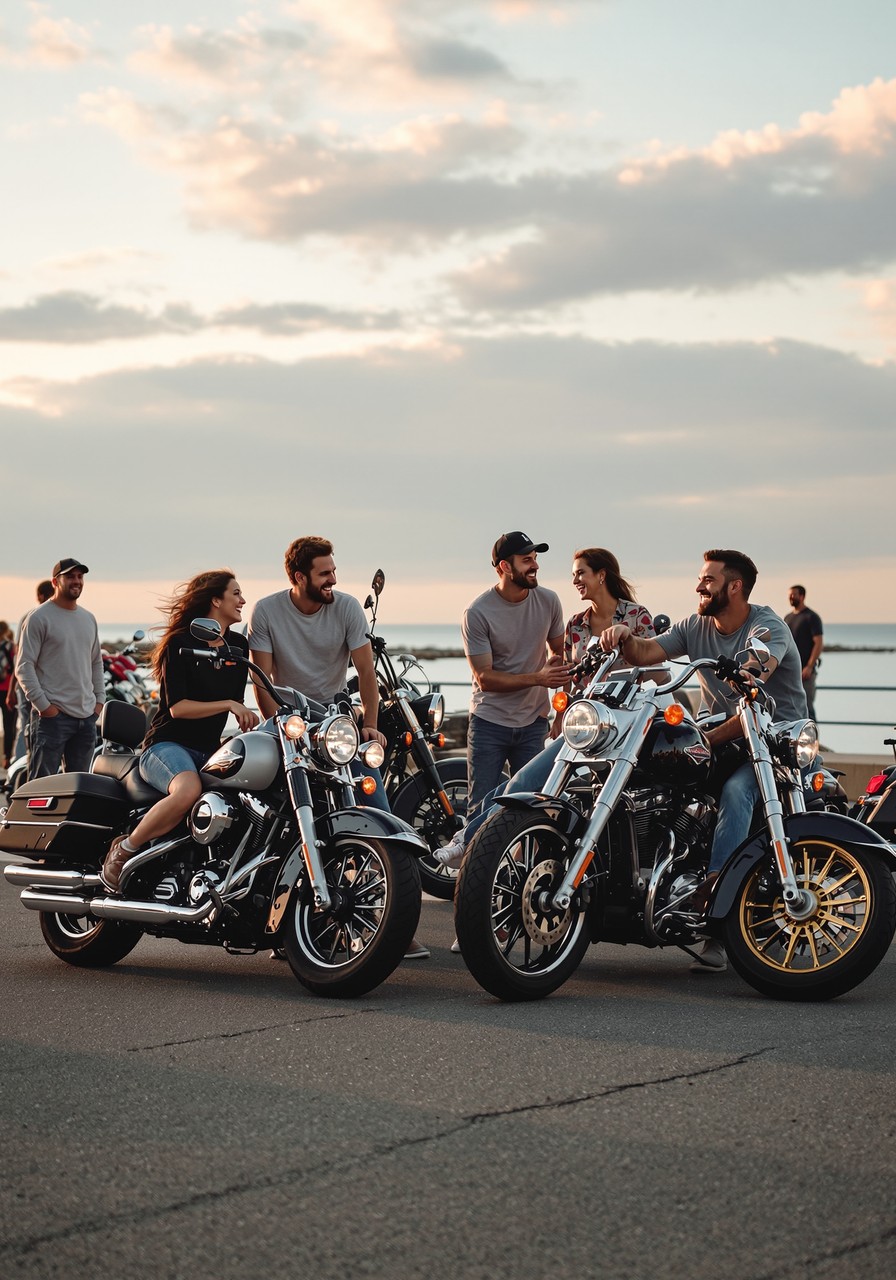
Favorite road in Western New York? Drop it below and we will build a Ride Nation map. #RideNationNY #WNYRiders #NewYorkRiders
Giveaway & Countdown
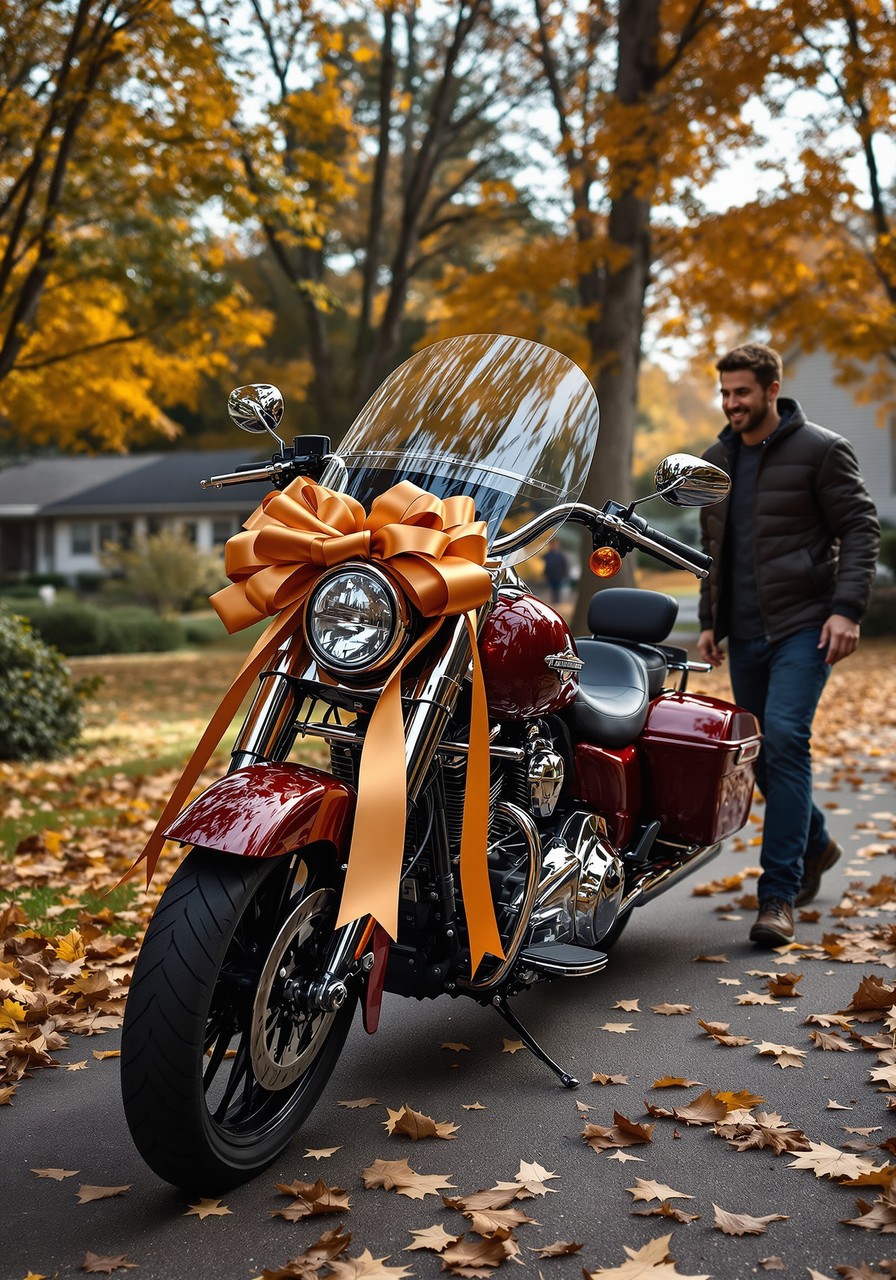
Curious about the giveaway? Call (716) 333-0043 and ask The Nicotra Law Firm. No purchase framing, no pressure, just a friendly conversation. #RideNationNY #BikersWin #WNYRiders
Local NY & Rides
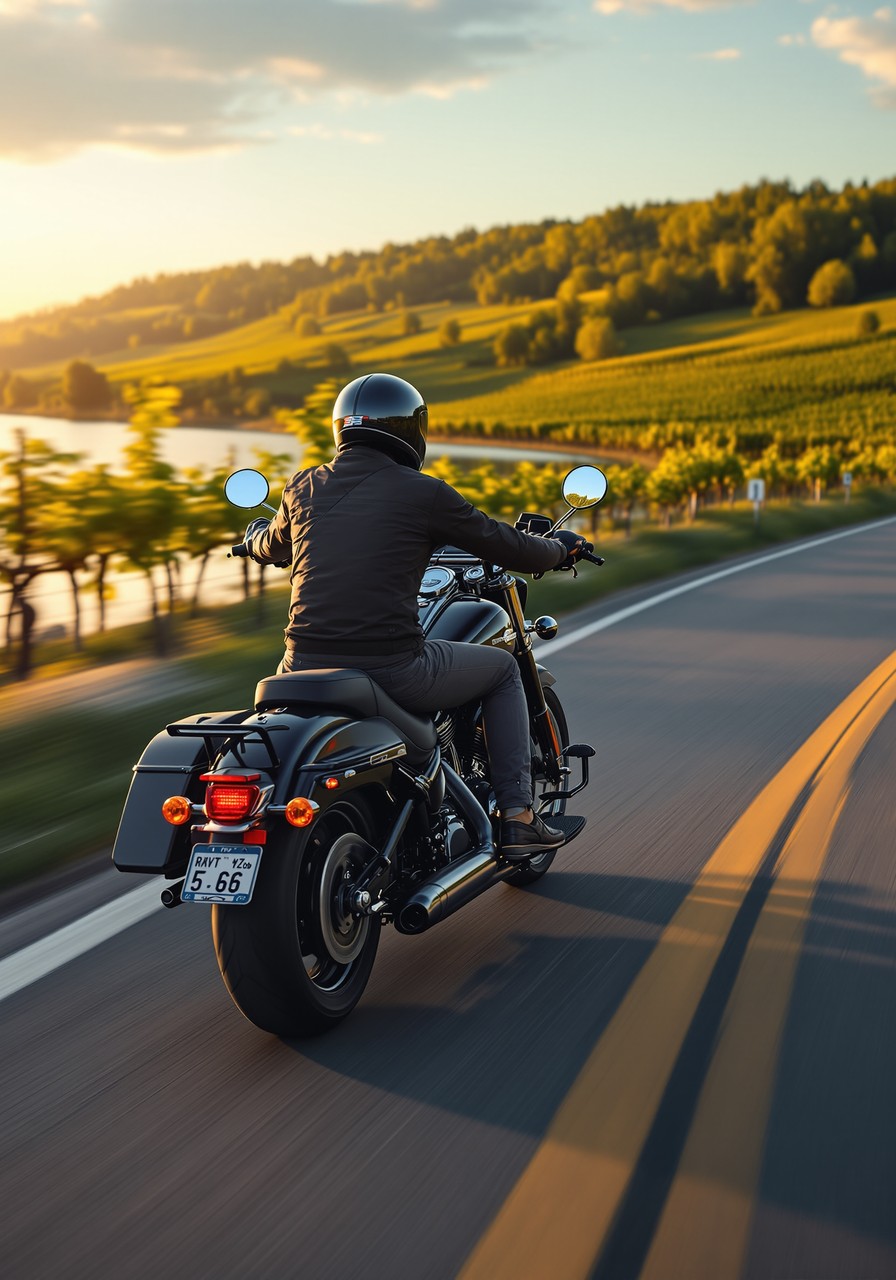
Winter plan for a Buffalo rider: fresh oil, new tires, and a list of roads to hit the first warm weekend. Start drafting it now. #RideNationNY #BuffaloRiders #WNYRiders
Gear & New Iron
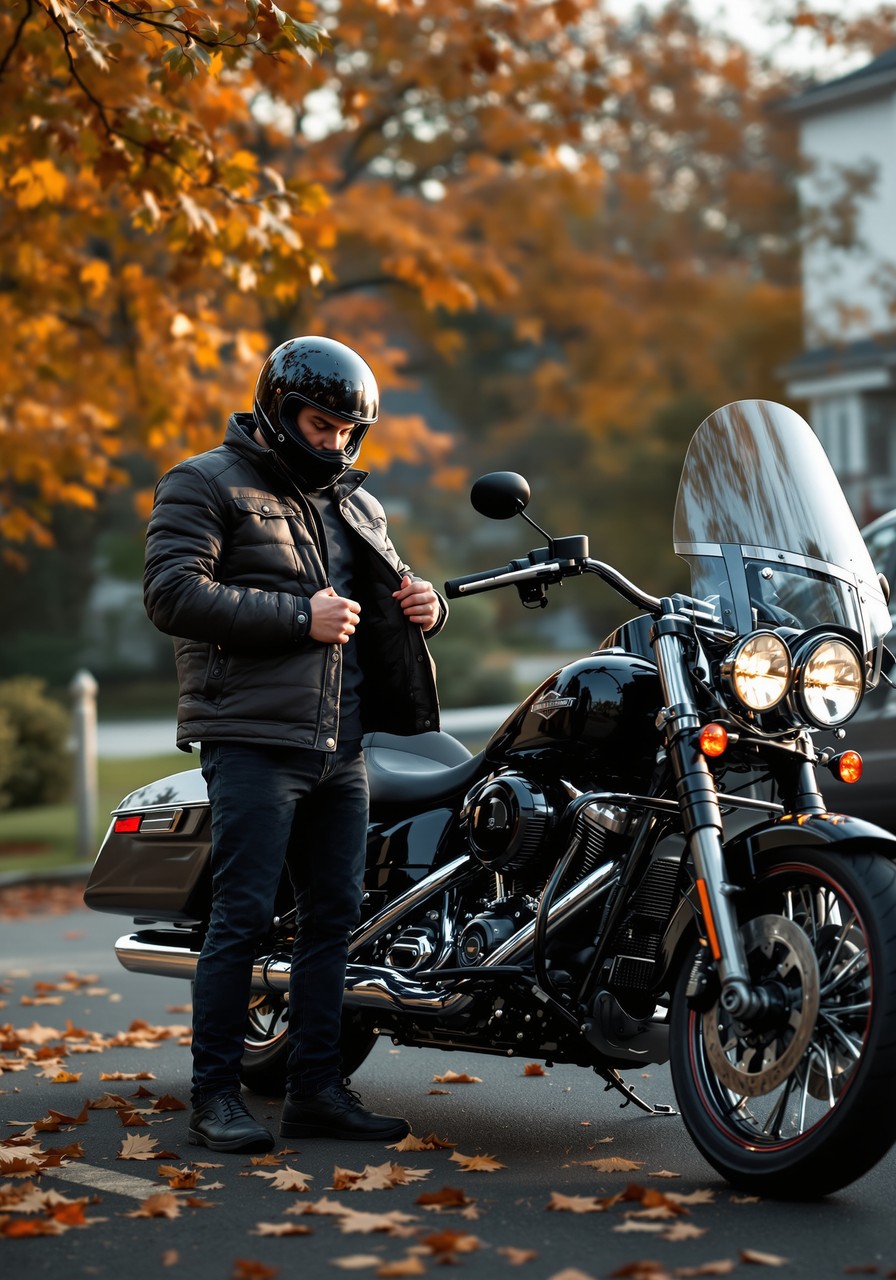
Layering beats one bulky jacket. Base layer for moisture, mid layer for warmth, shell to block the wind. #RideNationNY #ColdWeatherRiding #GearUp
Safety & NY Law
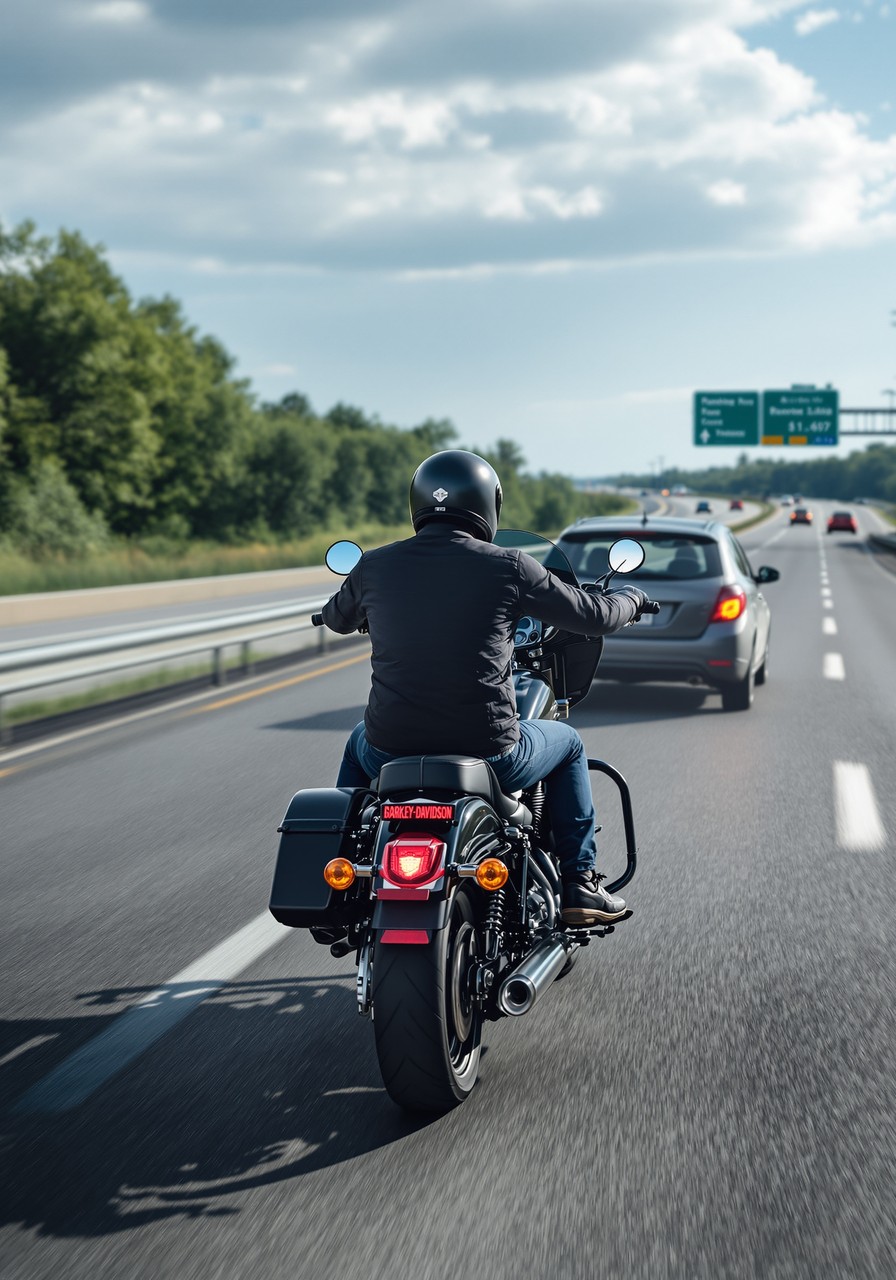
Passenger hurt on your bike, or riding pillion when it happened? The helmet rule applies to them too, and they have rights. Call (716) 333-0043. #RideNationNY #NewYorkRiders #KnowYourRights
Engagement
Tag the friend who checks the weather app more than they check their messages. #RideNationNY #RideOrDie #BuffaloRiders
Giveaway & Countdown
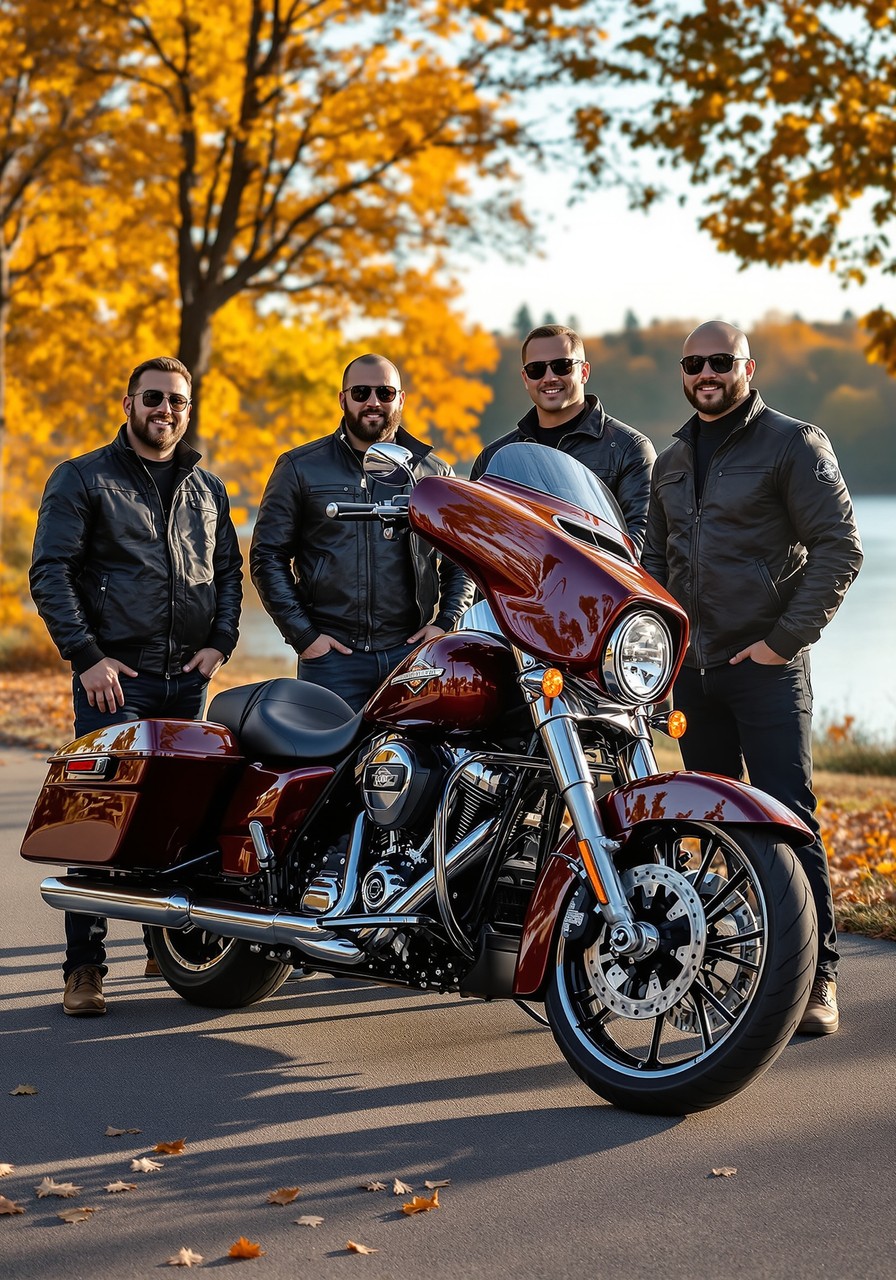
Milestone alert: this rider community keeps growing, and so does the buzz around the $20,000 giveaway. Thank you, Buffalo. #RideNationNY #20kGiveaway #BuffaloRiders
Local NY & Rides
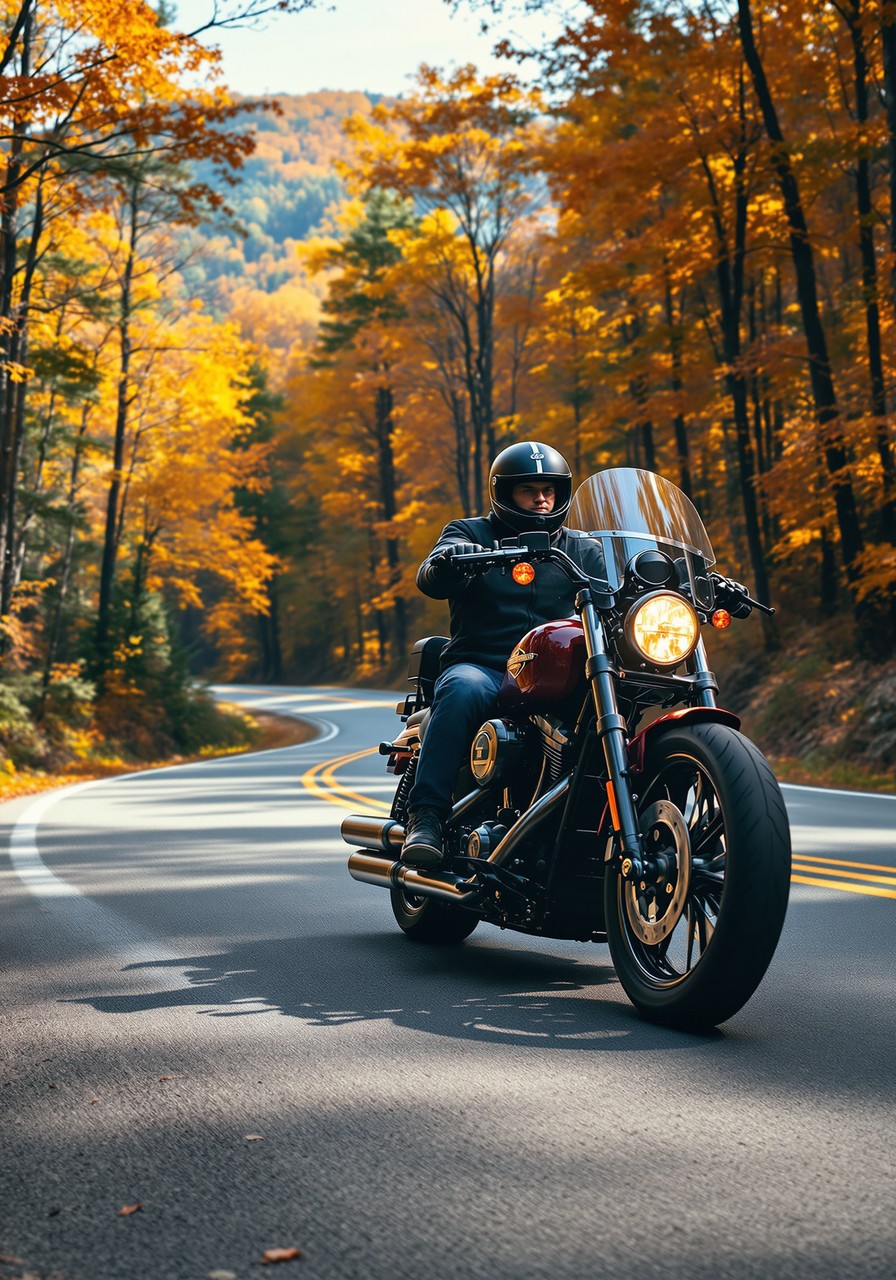
The 198 Scajaquada has tight merges and cracked pavement. Watch your spacing, keep a way out, and stay out of the blind spots of trucks. #RideNationNY #BuffaloRiders #WNYRiders
Gear & New Iron
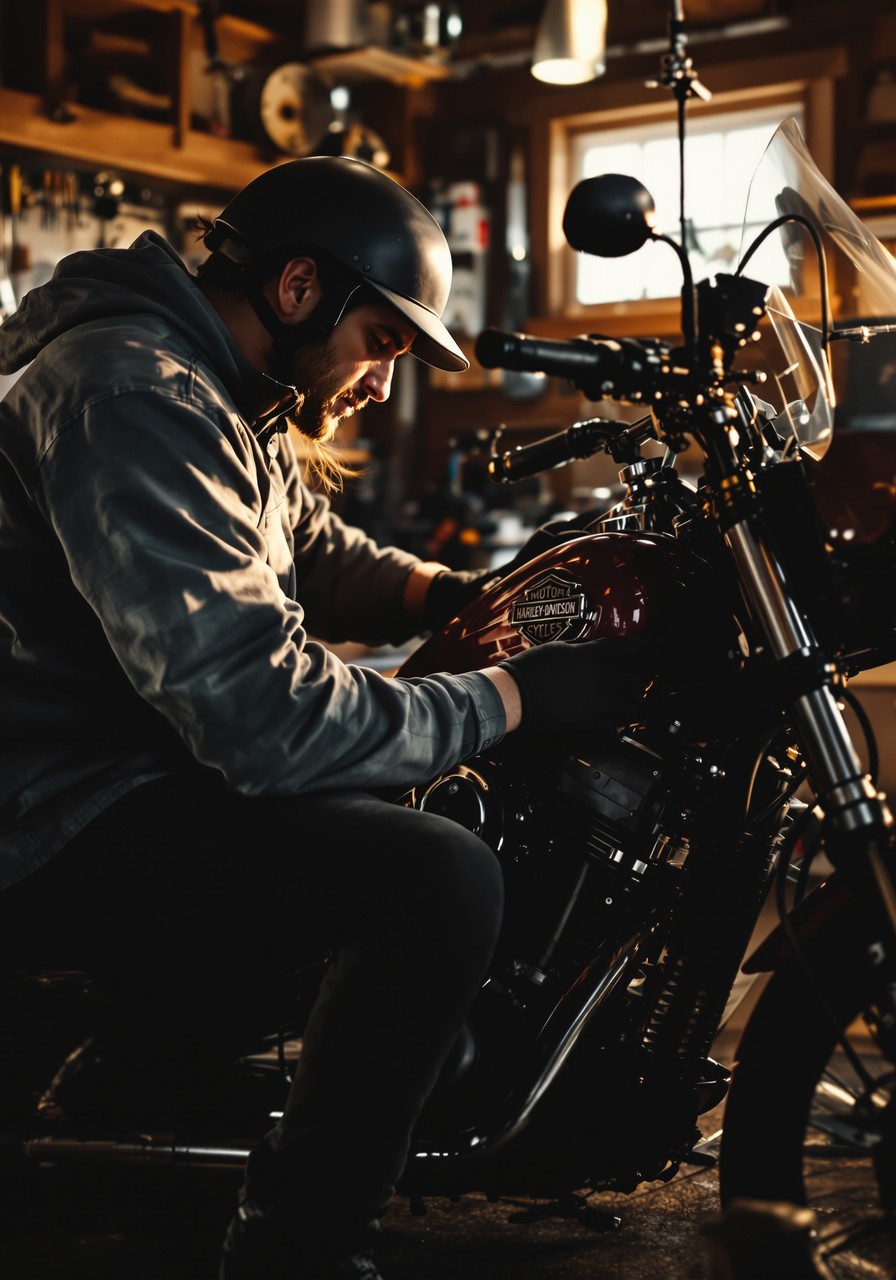
A merino or synthetic base layer wicks sweat so you stay warm. Cotton just gets damp and cold. #RideNationNY #ColdWeatherRiding #GearUp #RiderTips
Safety & NY Law
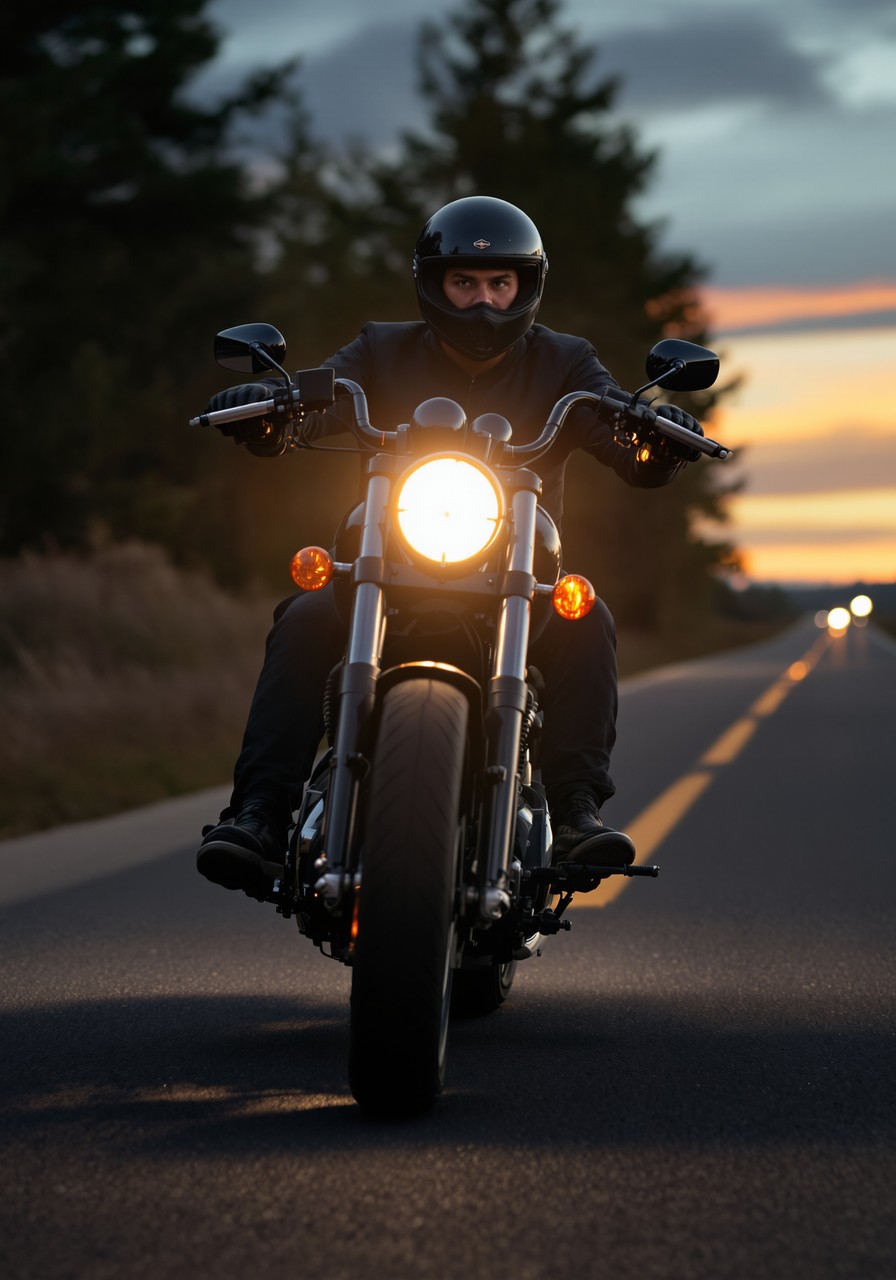
Lake-effect snow does not care about your riding season. If a slick road caused your crash, call The Nicotra Law Firm at (716) 333-0043. #RideNationNY #WNYRiders #MotorcycleSafety
Engagement
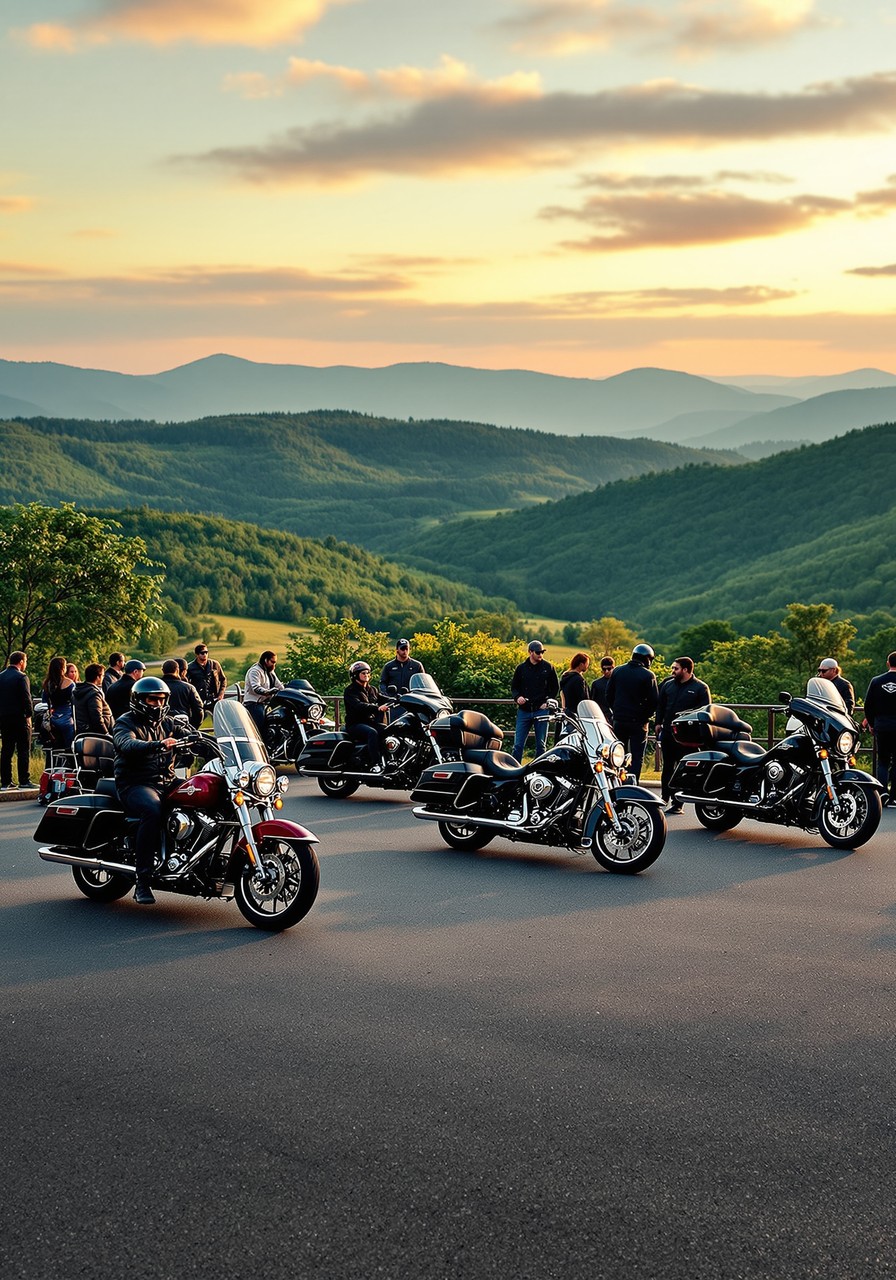
This or that: a long solo ride or a group ride with your crew? #RideNationNY #TwoWheels #WNYRiders
Giveaway & Countdown
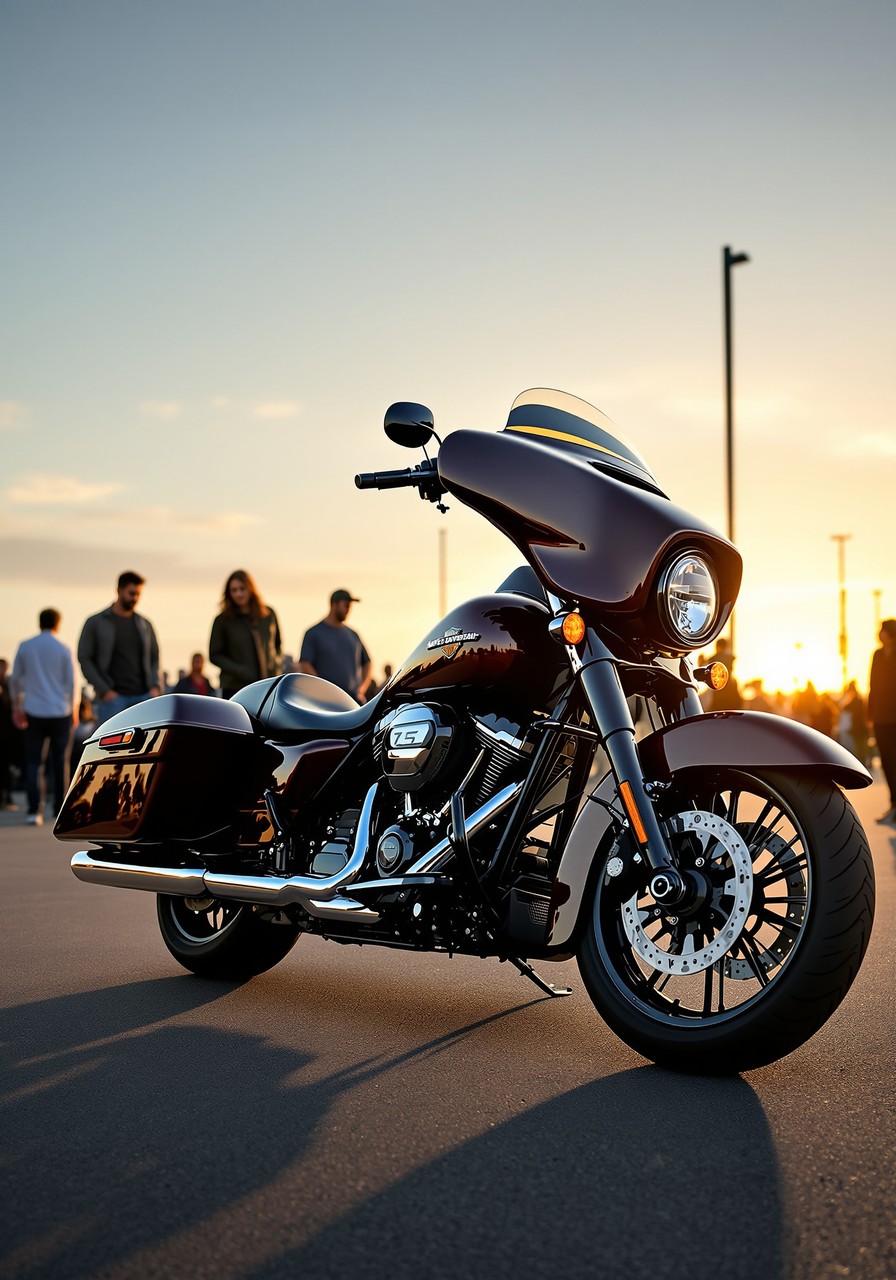
Your crash story matters to us. Talk with The Nicotra Law Firm at (716) 333-0043 and you're entered in the BikersWin giveaway, free. #RideNationNY #BikersWin #MotorcycleGiveaway
Local NY & Rides
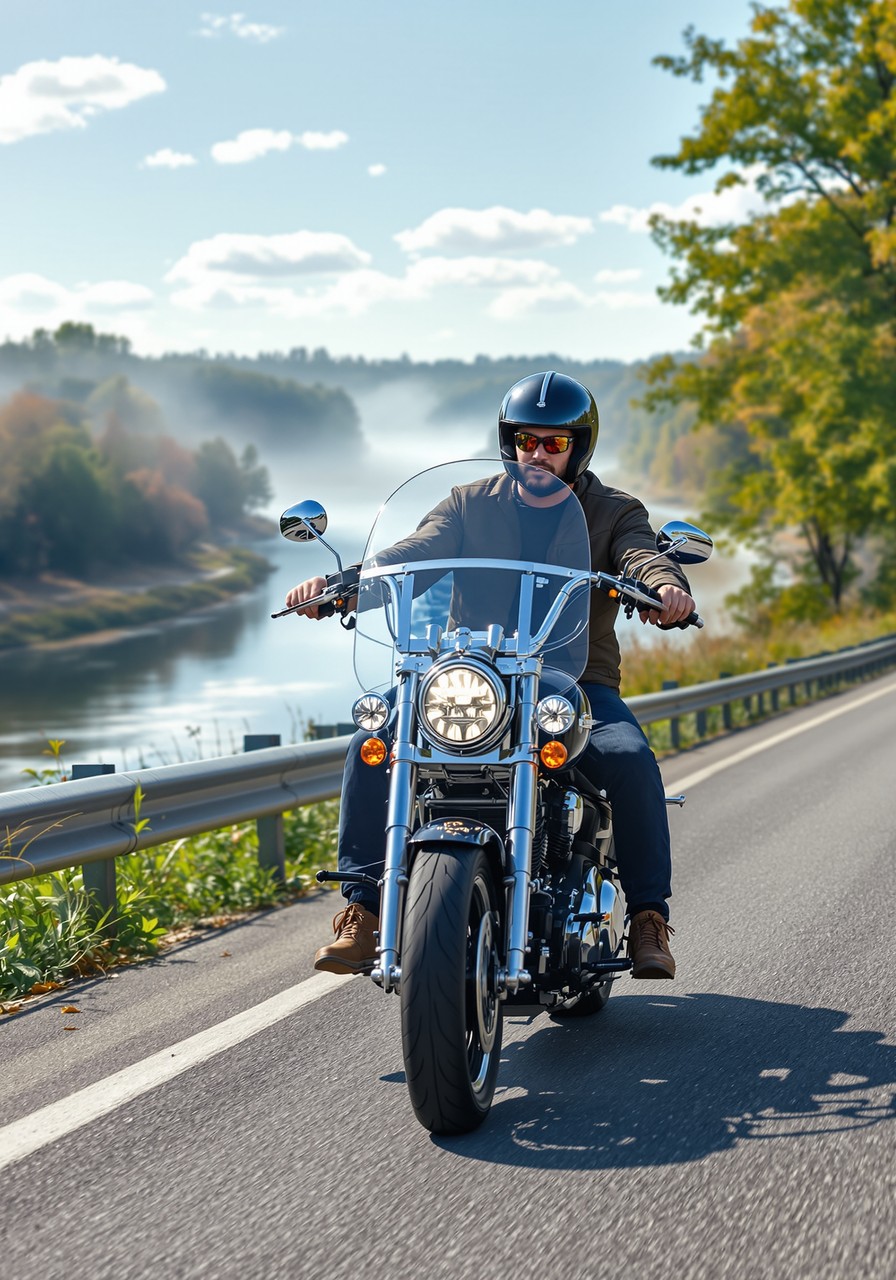
Chasing a dry 40-degree day in February? Check the road temp, not just the air temp. Shaded stretches stay slick long after the sun comes out. #RideNationNY #BuffaloRiders #NewYorkRiders
Gear & New Iron
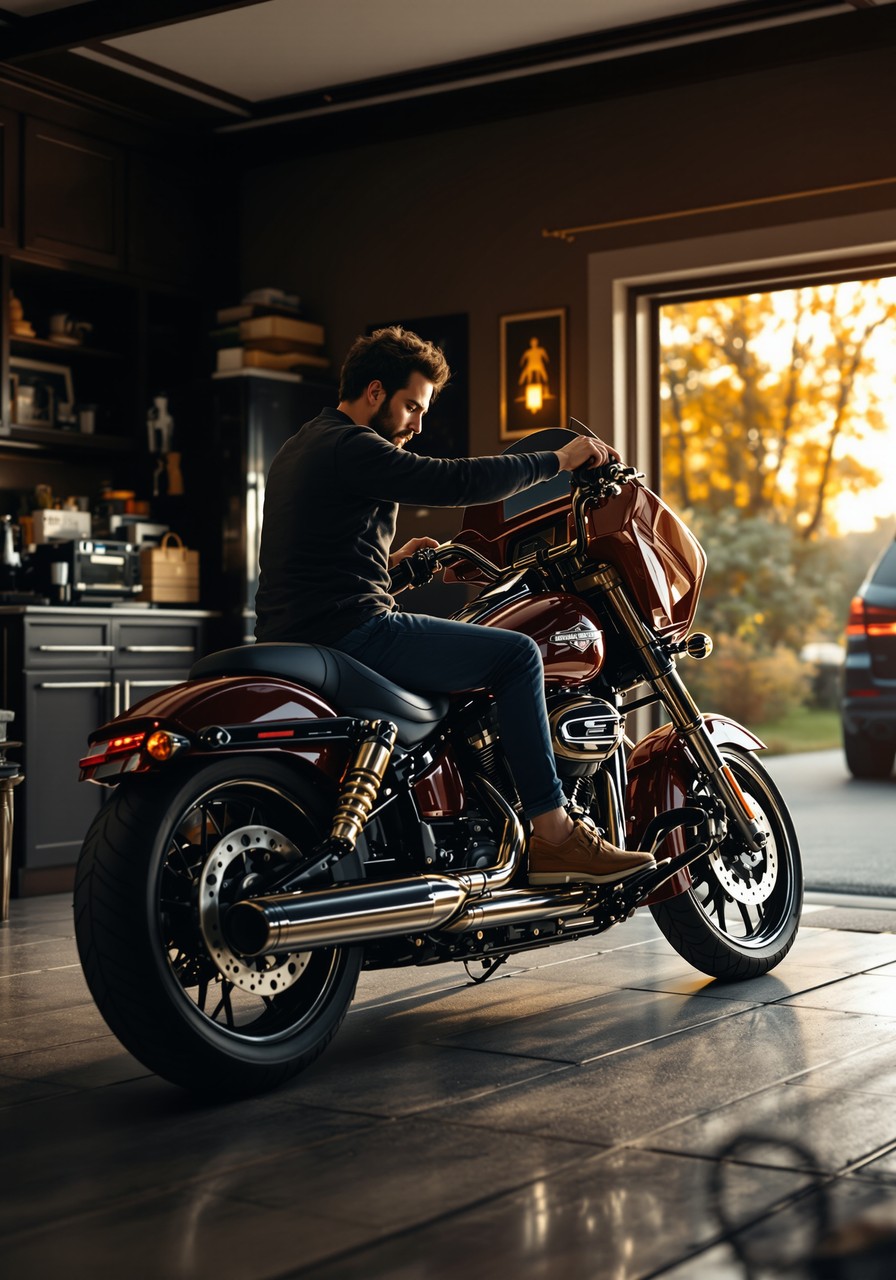
Wind chill at 55 mph is brutal. A neck gaiter and windproof shell make a bigger difference than you would think. #RideNationNY #ColdWeatherRiding #RiderTips
Safety & NY Law
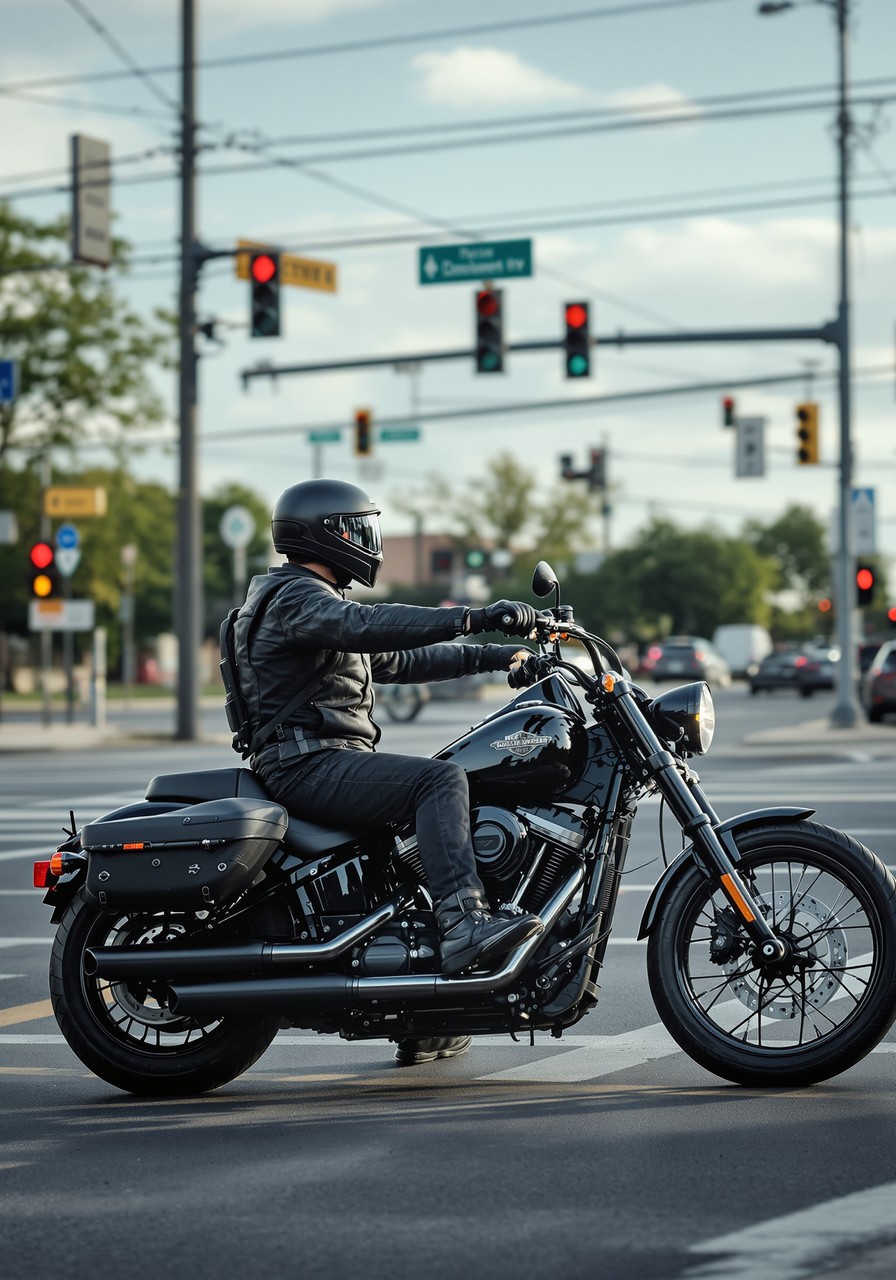
Left-turning cars are the number one threat at Buffalo intersections. Cover your brakes and assume they do not see you. #RideNationNY #MotorcycleSafety #BuffaloRiders
Engagement
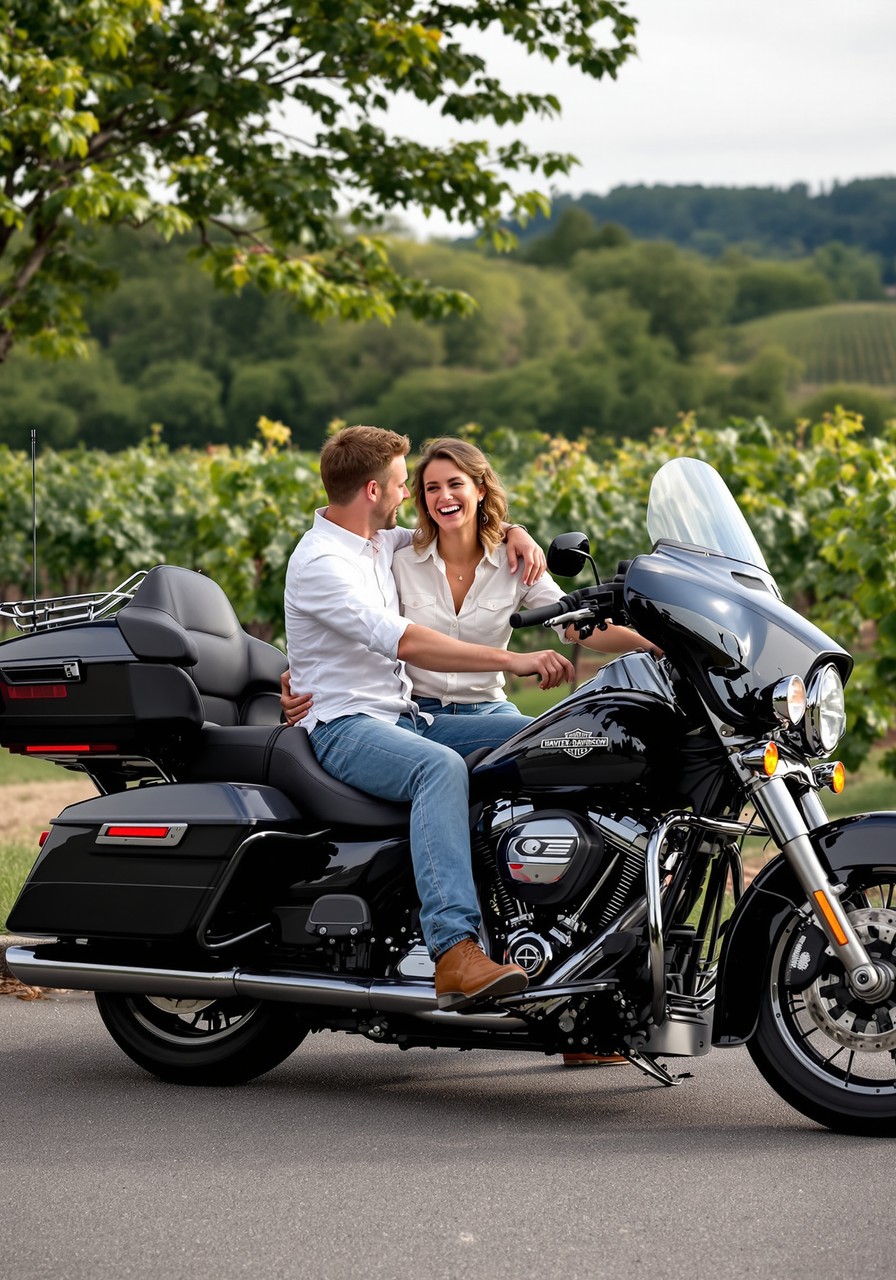
What is your winter riding-season countdown? Days, weeks, or you refuse to look? #RideNationNY #BuffaloRiders #TwoWheels
Giveaway & Countdown
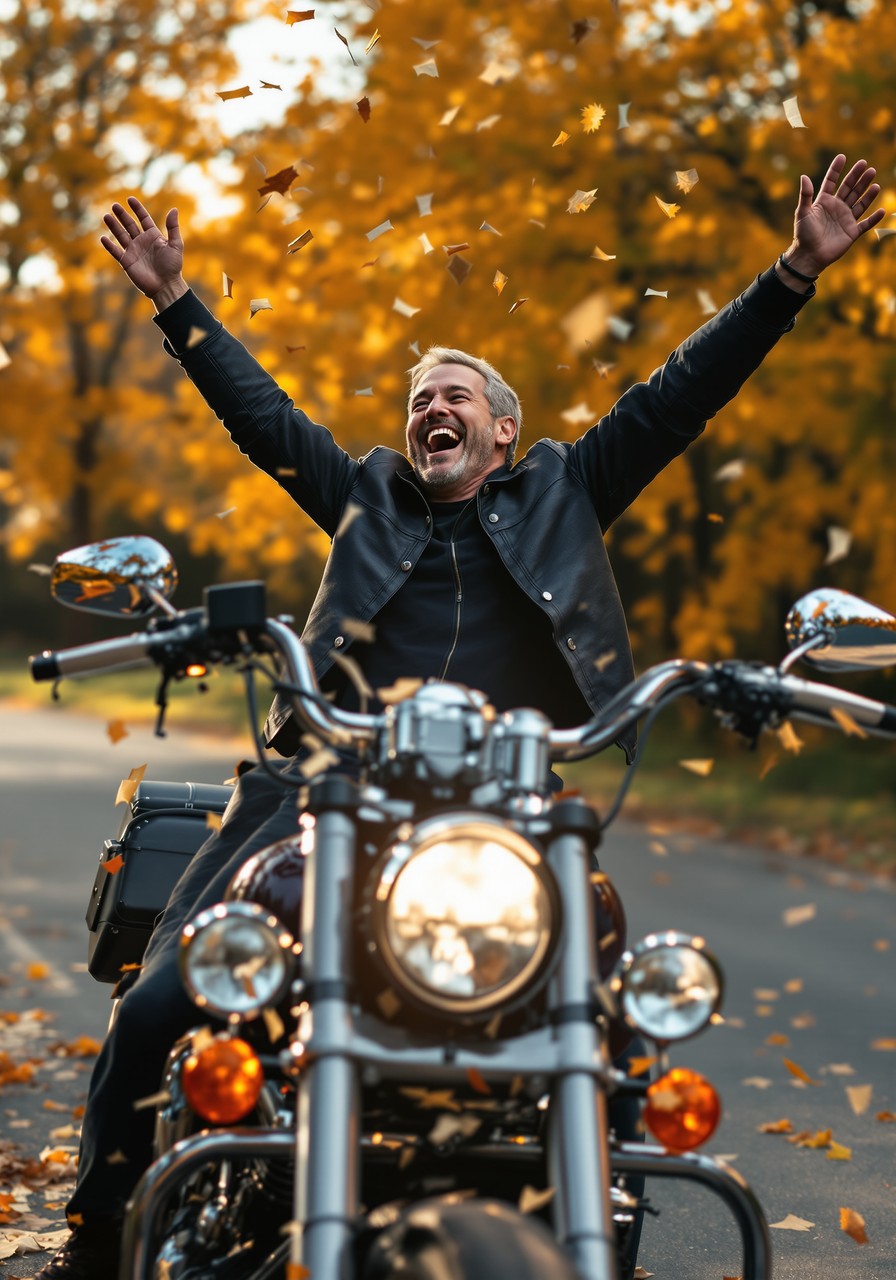
Group ride tomorrow? Tell everybody about the $20,000 giveaway. The more riders who know, the better the energy. #RideNationNY #MotorcycleGiveaway #NewYorkRiders
Local NY & Rides
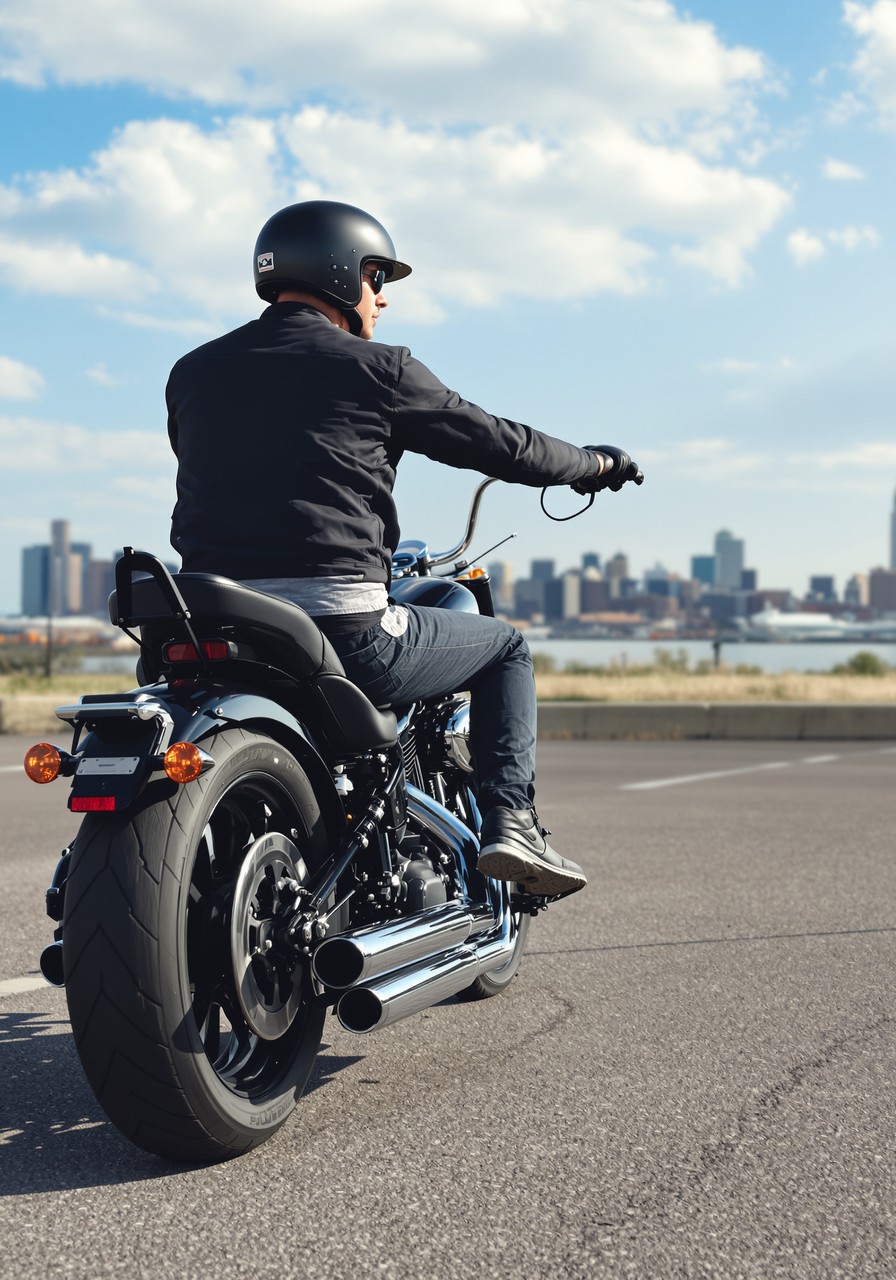
Chautauqua Lake loop, then Route 5 back along Lake Erie. Long, easy, and gorgeous when the vineyards turn. #RideNationNY #LakeErie #MotorcycleRoads #WNYRiders
Gear & New Iron
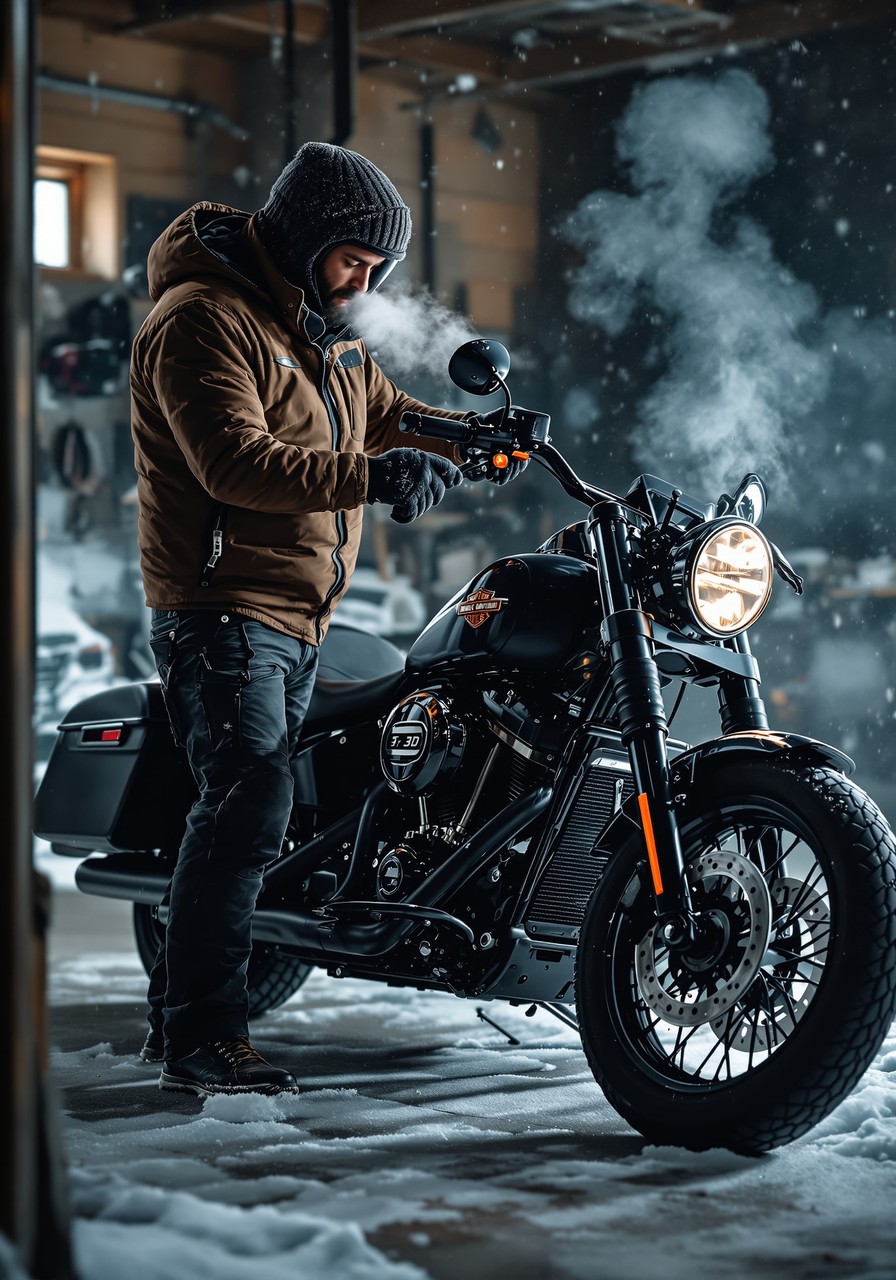
Heated grips or a heated liner turn a shivering ride into a fun one. Just make sure your charging system can handle the load. #RideNationNY #ColdWeatherRiding #GearUp
Safety & NY Law
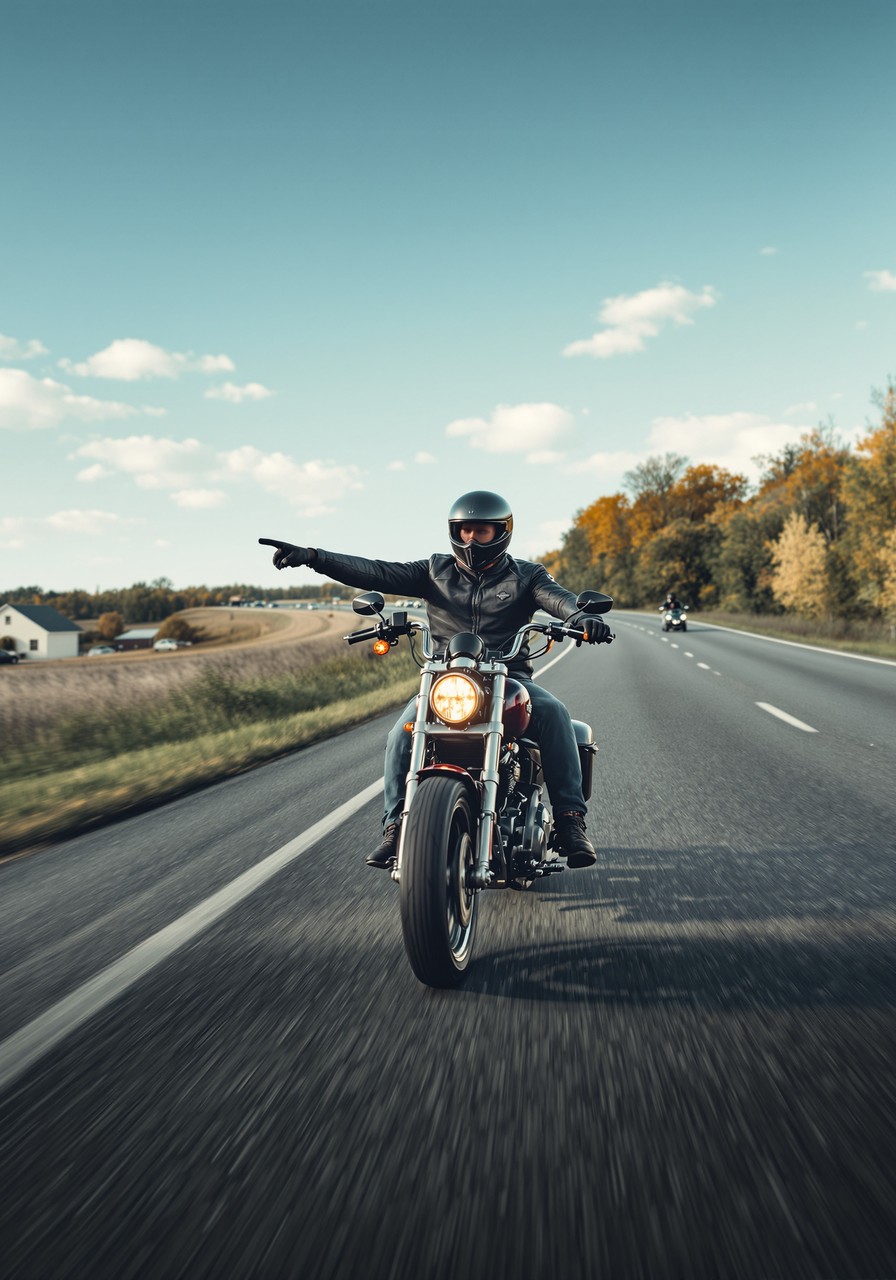
Pure comparative negligence in New York means your share of fault lowers your recovery but never bars it. Free case review at 866nicotra.com. #RideNationNY #RiderRights #KnowYourRights
Engagement
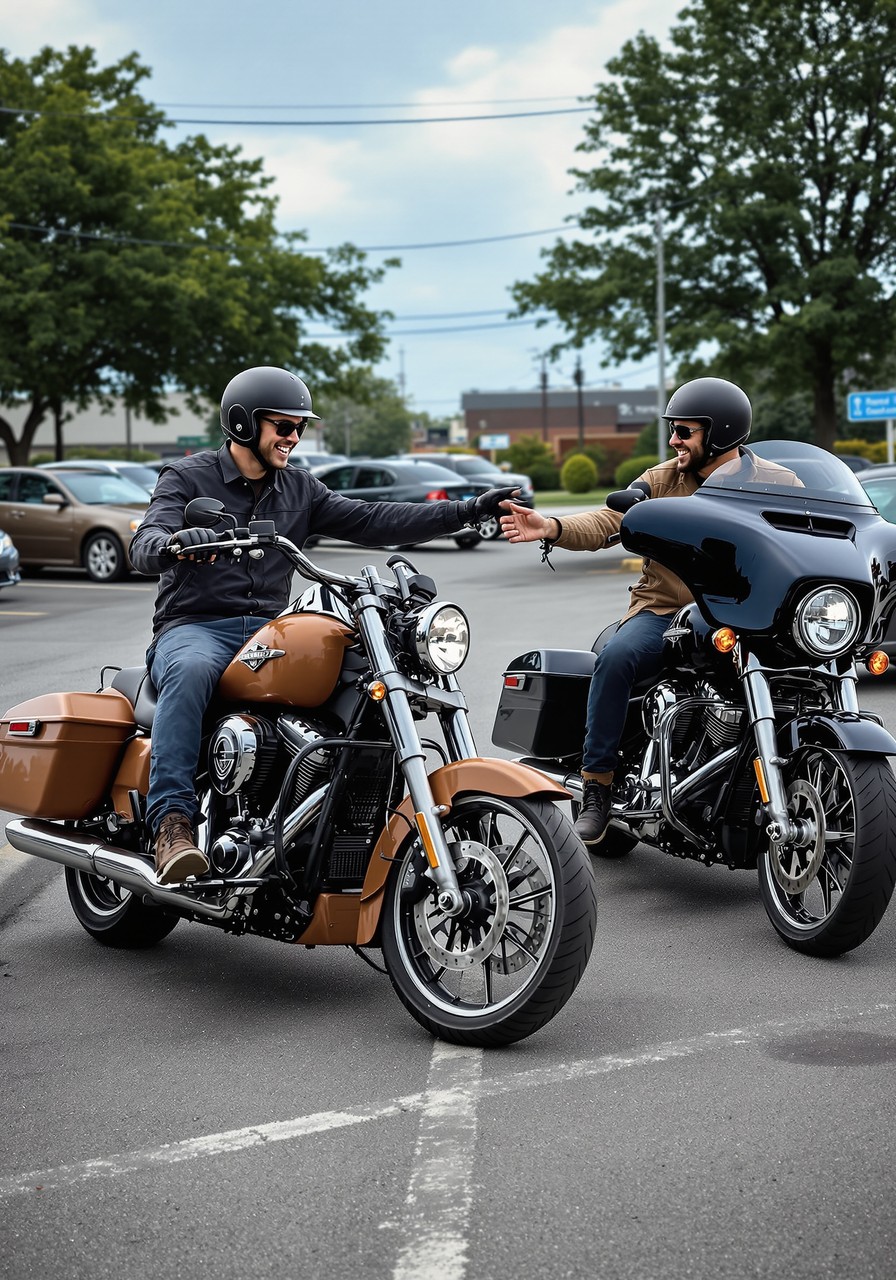
Letchworth in October, Route 5 in June, or Ellicottville in August. Rank them in the comments. #RideNationNY #Letchworth #Ellicottville
Giveaway & Countdown
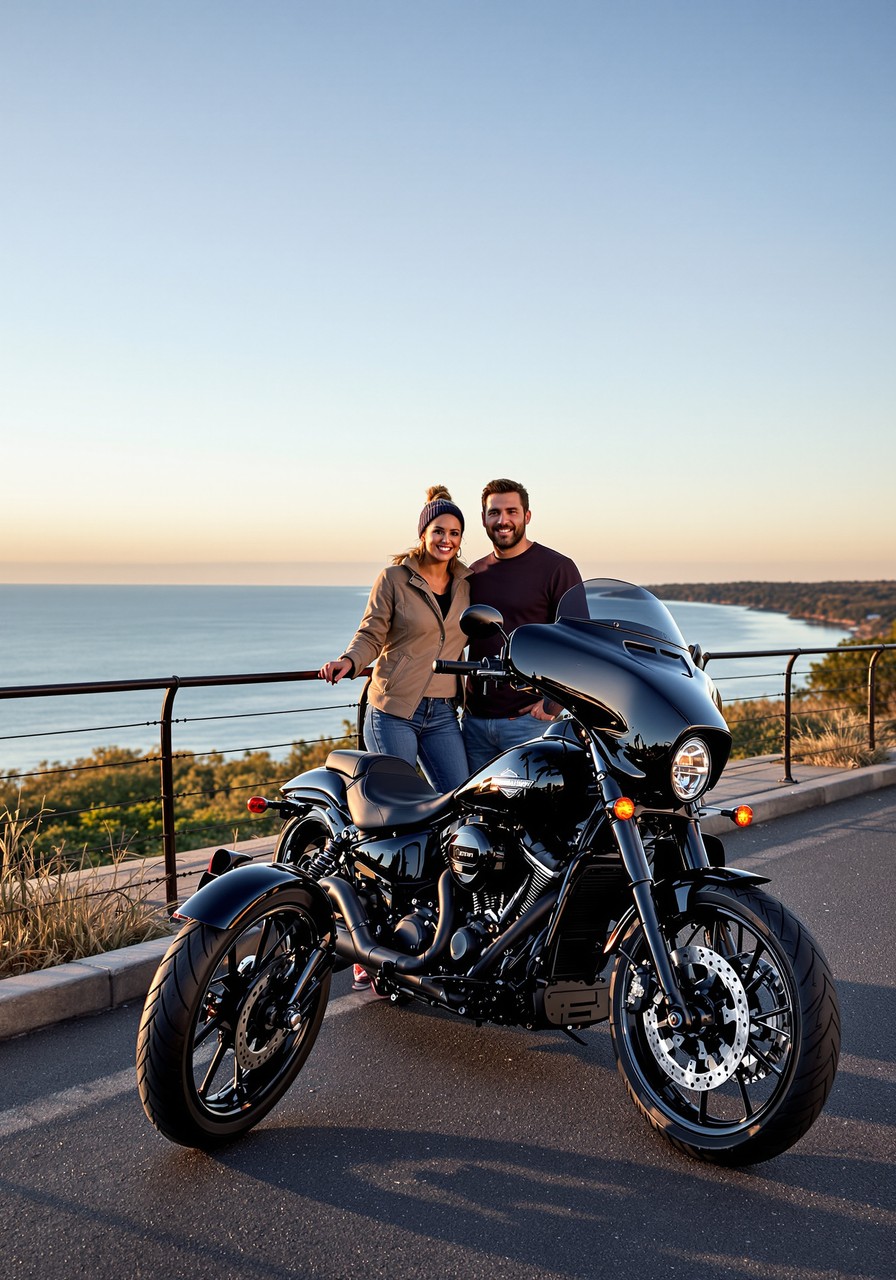
Reminder from Ride Nation Buffalo: the giveaway is free to enter for riders who talk to us about a crash. Ring (716) 333-0043 to get started. #RideNationNY #20kGiveaway #WNYRiders
Local NY & Rides
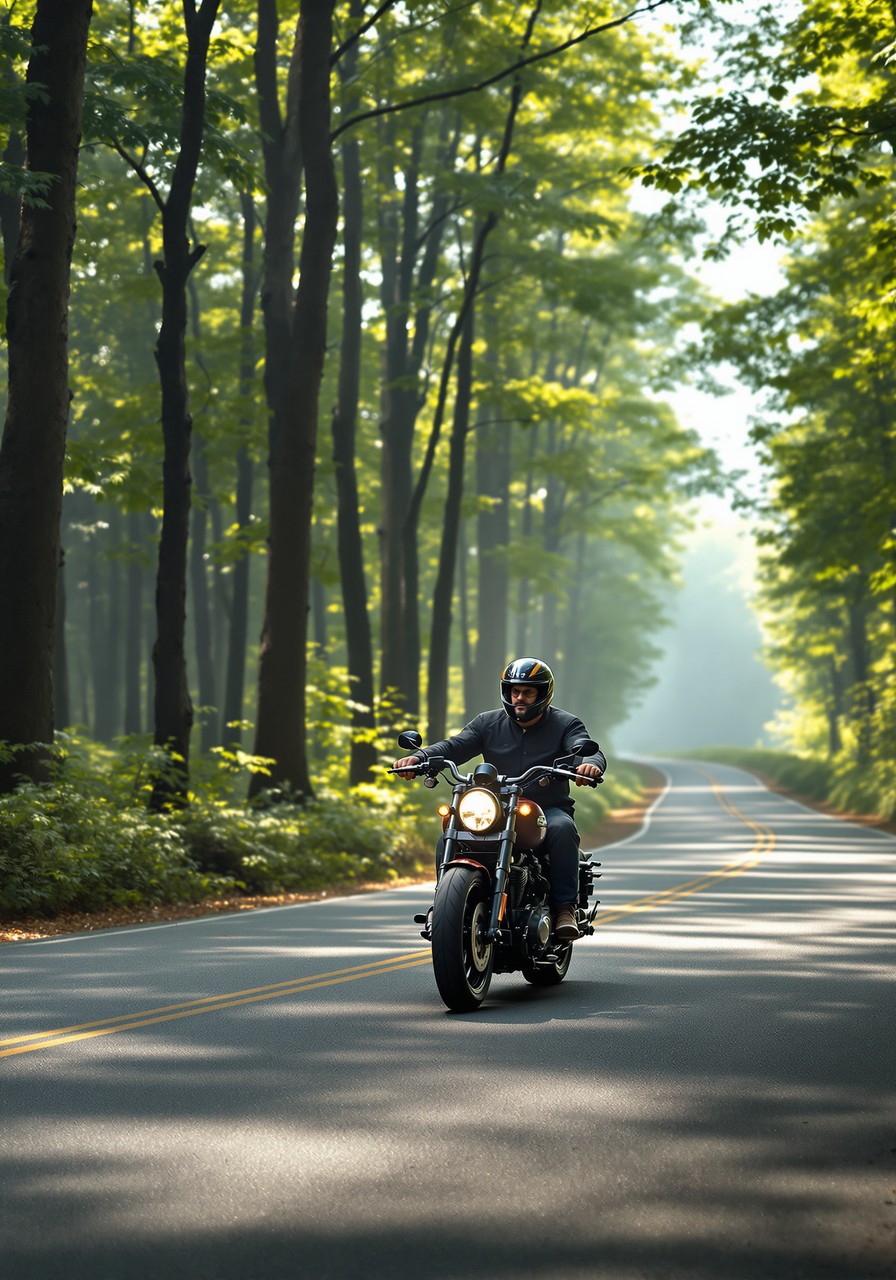
Buffalo potholes have a way of showing up overnight after a freeze and thaw. First spring ride, go slow and learn where the new ones are. #RideNationNY #BuffaloRiders #WNYRiders
Gear & New Iron
Cold hands mean slow reactions. Insulated, waterproof gloves with a snug cuff are worth every dollar on a lake-effect morning. #RideNationNY #ColdWeatherRiding #GearUp #ATGATT
Safety & NY Law
Lake-effect snow means the first flurry can catch riders off guard. Check the forecast, and when in doubt, park it. #RideNationNY #BuffaloRiders #WNYRiders
Engagement
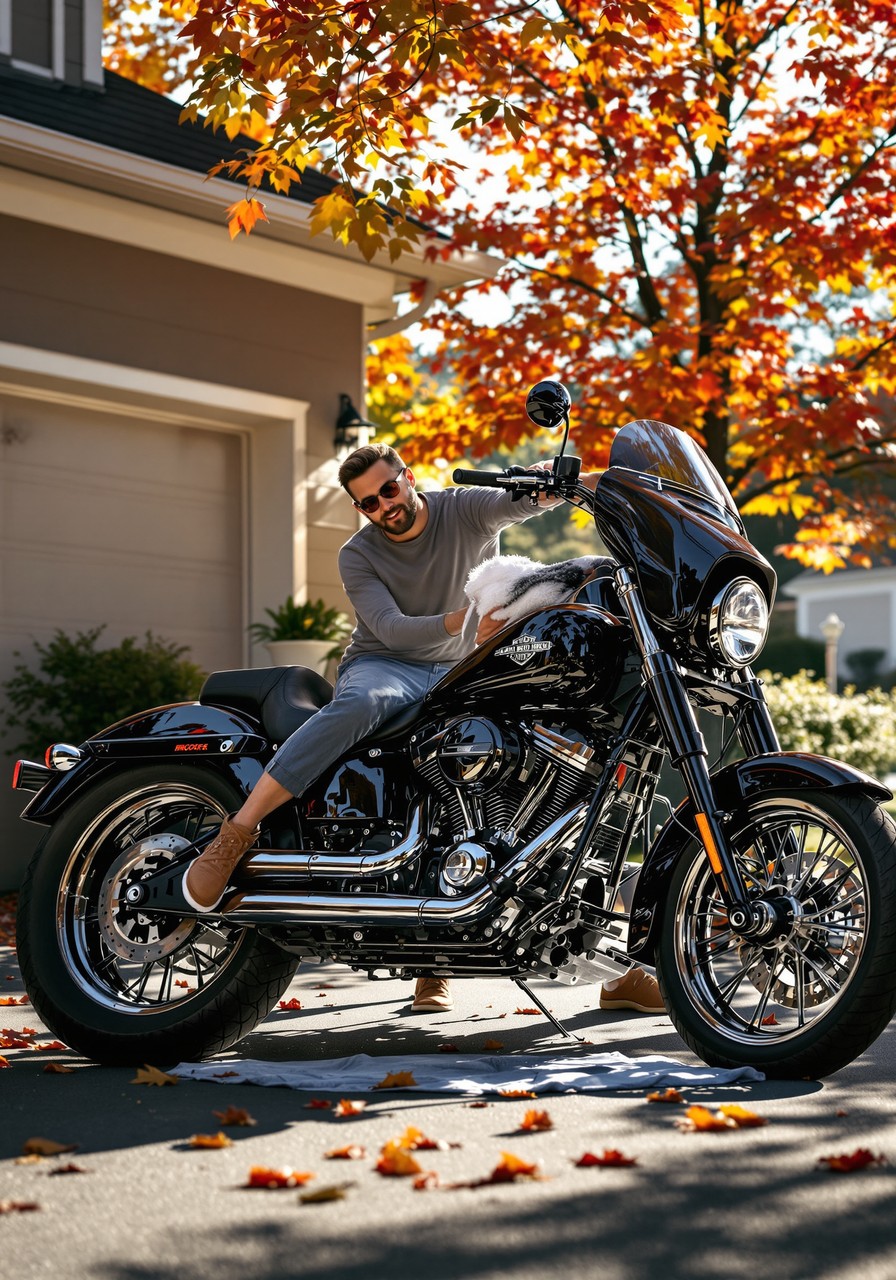
Show us your bike name. Yes, we know you named it. #RideNationNY #RideOrDie #WNYRiders
Giveaway & Countdown
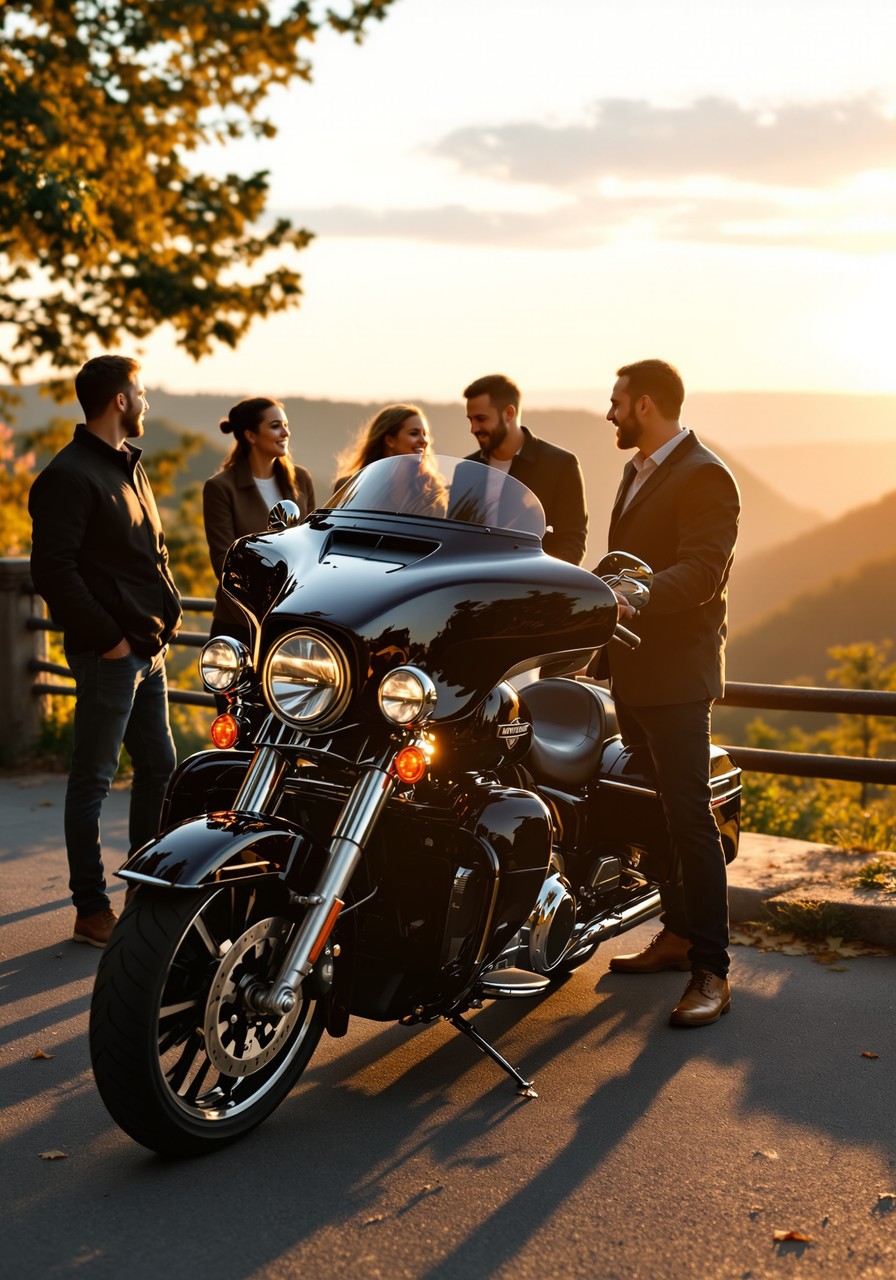
Twenty grand of motorcycle is waiting for one lucky rider. Keep the countdown alive, Buffalo. #RideNationNY #BikersWin #20kGiveaway
Local NY & Rides
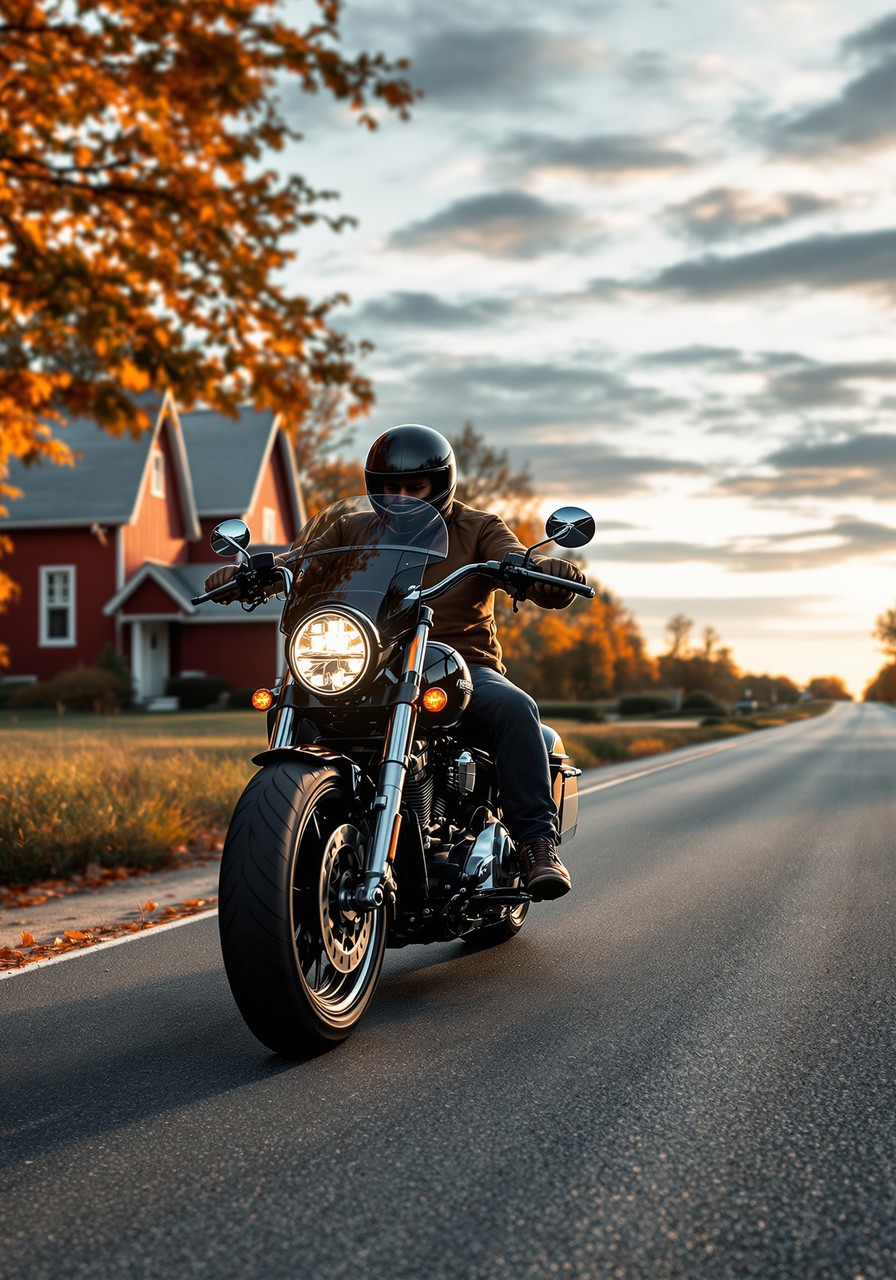
Waiting on the thaw? Walk the bike, check the tires, and put a spring ride on the calendar with your crew. Ride Nation Buffalo is ready when you are. #RideNationNY #BuffaloRiders #WNYRiders
Gear & New Iron
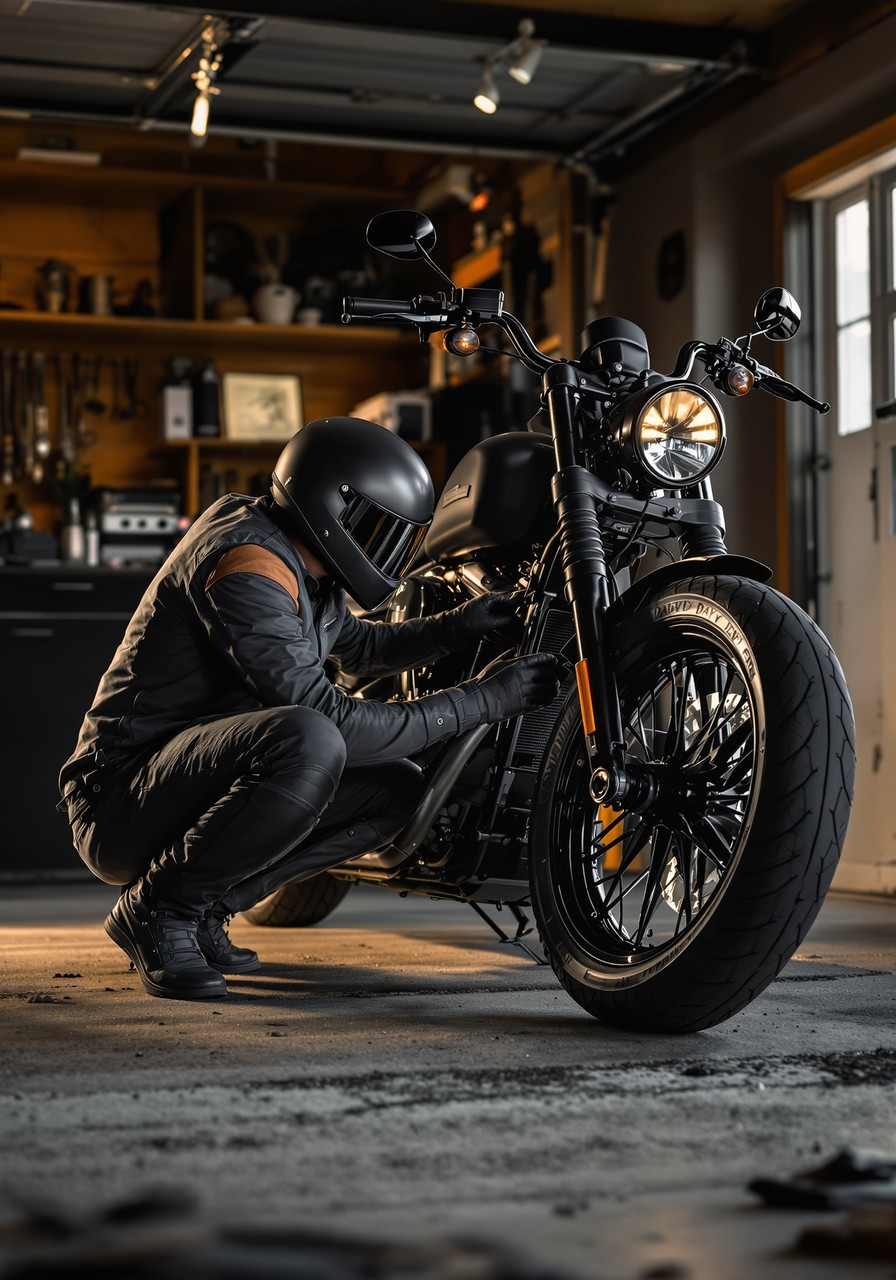
Fogging visor? A pinch-lock or anti-fog insert helps, and cracking it open a hair at stops keeps things clear. #RideNationNY #RiderTips #GearUp
Safety & NY Law
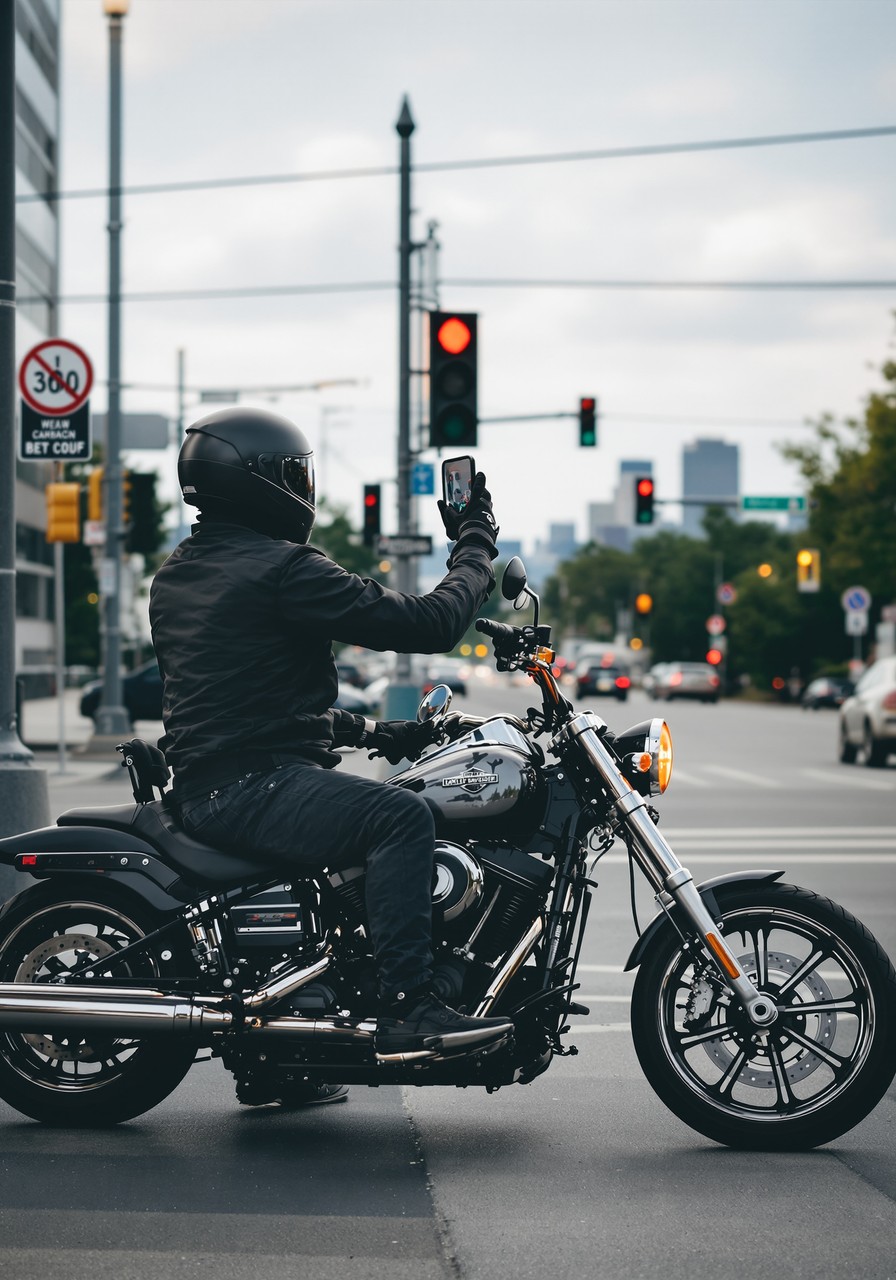
Universal helmet law: every rider and passenger in New York wears a DOT helmet, every ride, no exceptions. #RideNationNY #MotorcycleSafety #ATGATT
Engagement
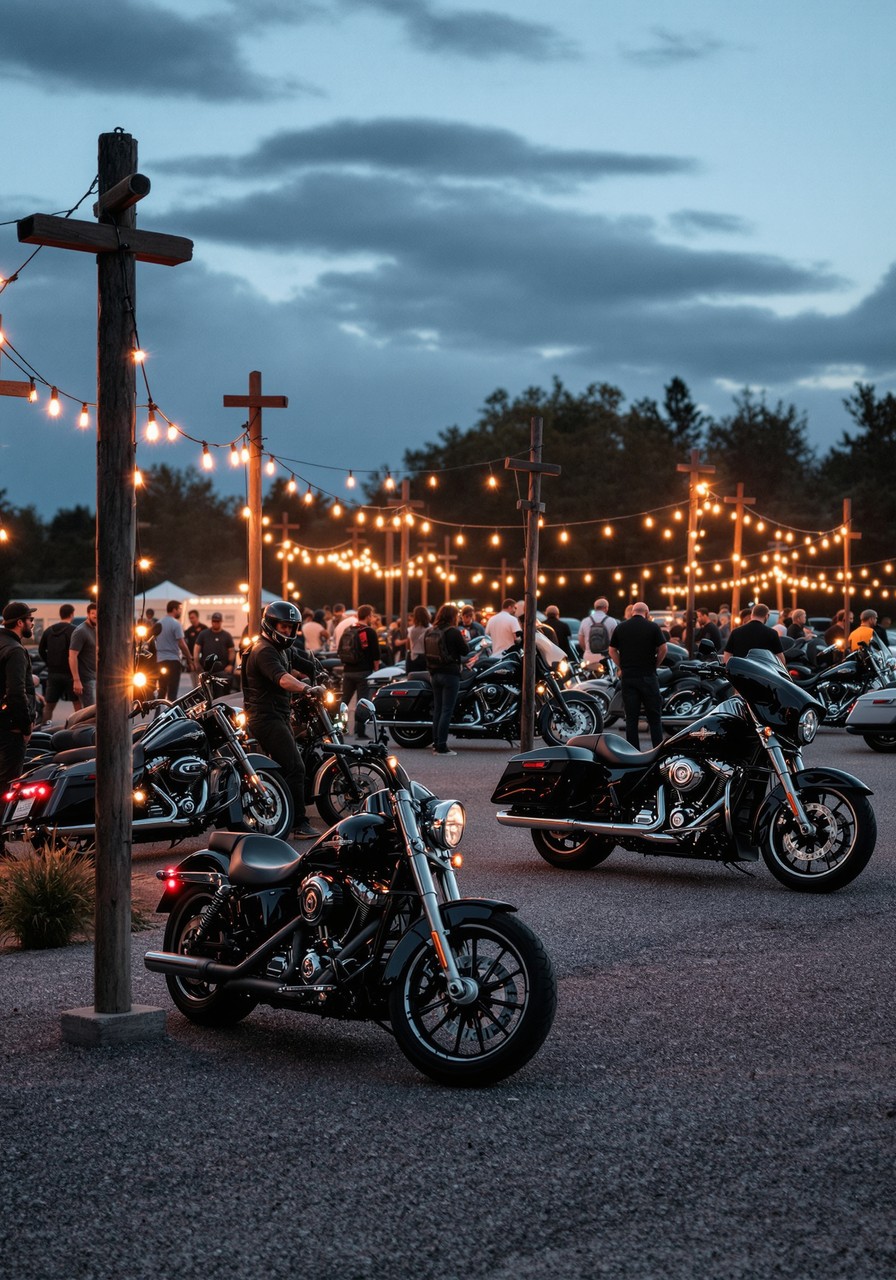
Fill in the blank: my bike sounds best when ______. #RideNationNY #TwoWheels #NewYorkRiders
Giveaway & Countdown
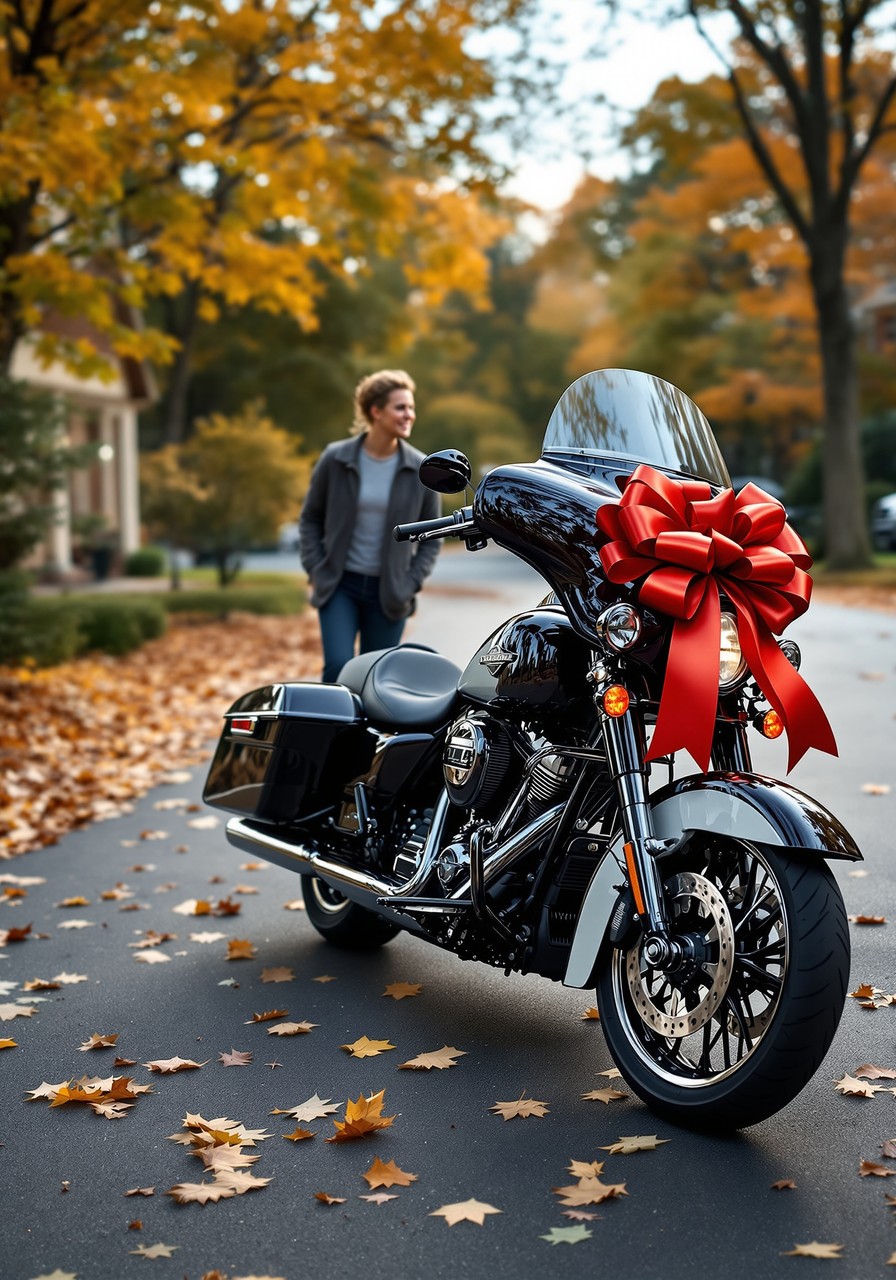
Screenshot this and send it to a rider friend. Free entry, real prize, and a team at (716) 333-0043 ready to talk. #RideNationNY #BikersWin #BuffaloRiders
Local NY & Rides
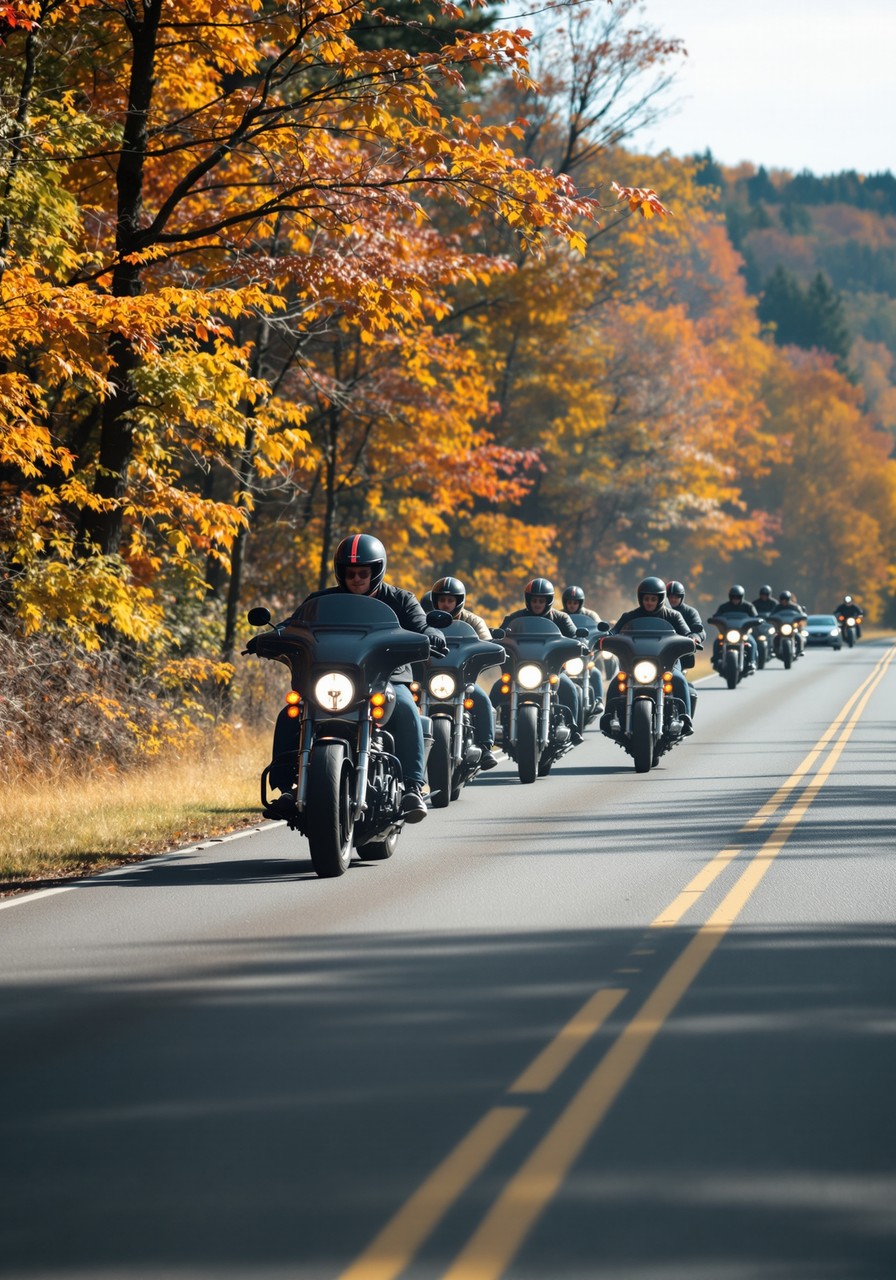
The I-190 near the Peace Bridge gets busy and fast. Stay visible, leave a big gap, and check your mirrors before every lane change. #RideNationNY #BuffaloRiders #NiagaraFalls
Gear & New Iron
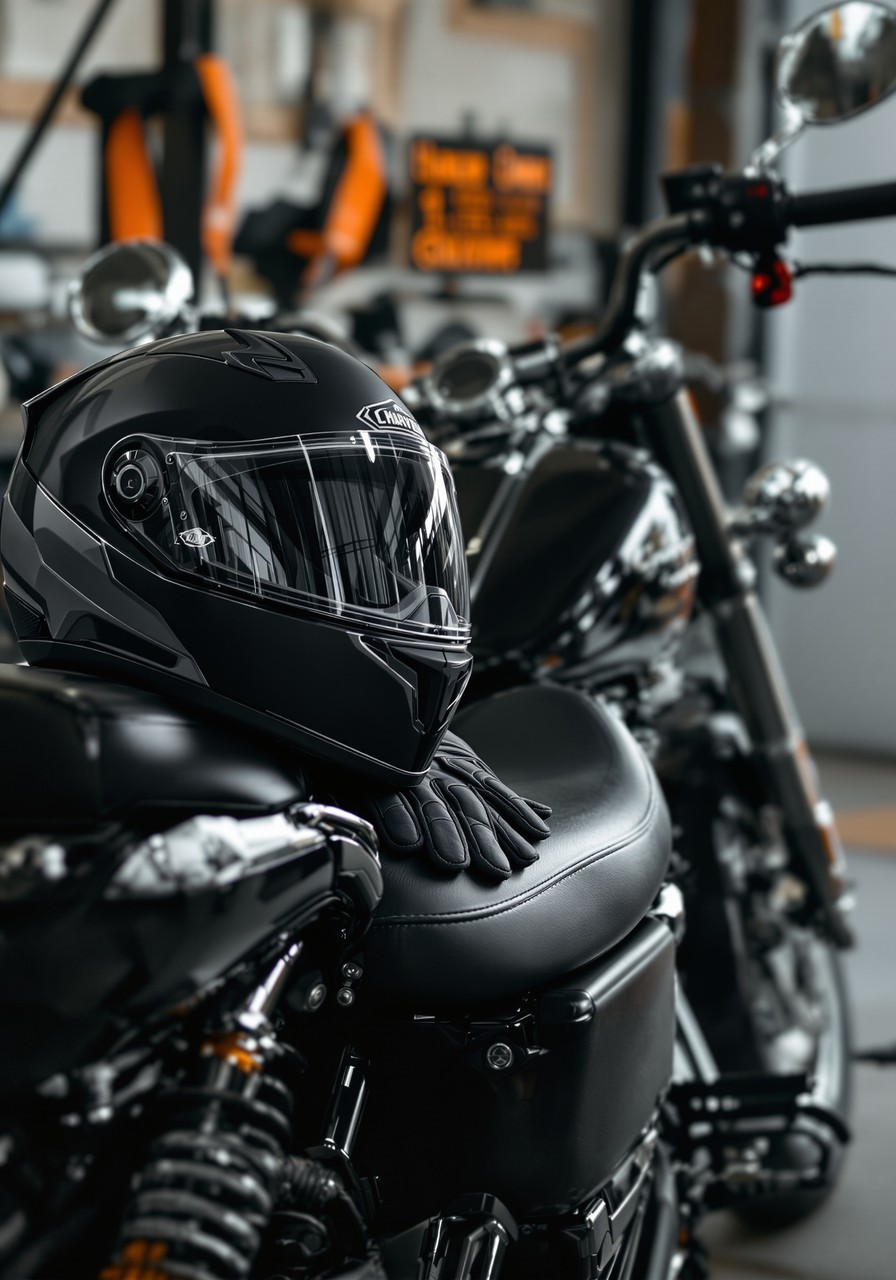
Clean your visor with mild soap and a soft cloth. Harsh cleaners strip anti-fog coatings. #RideNationNY #RiderTips #GearUp
Safety & NY Law
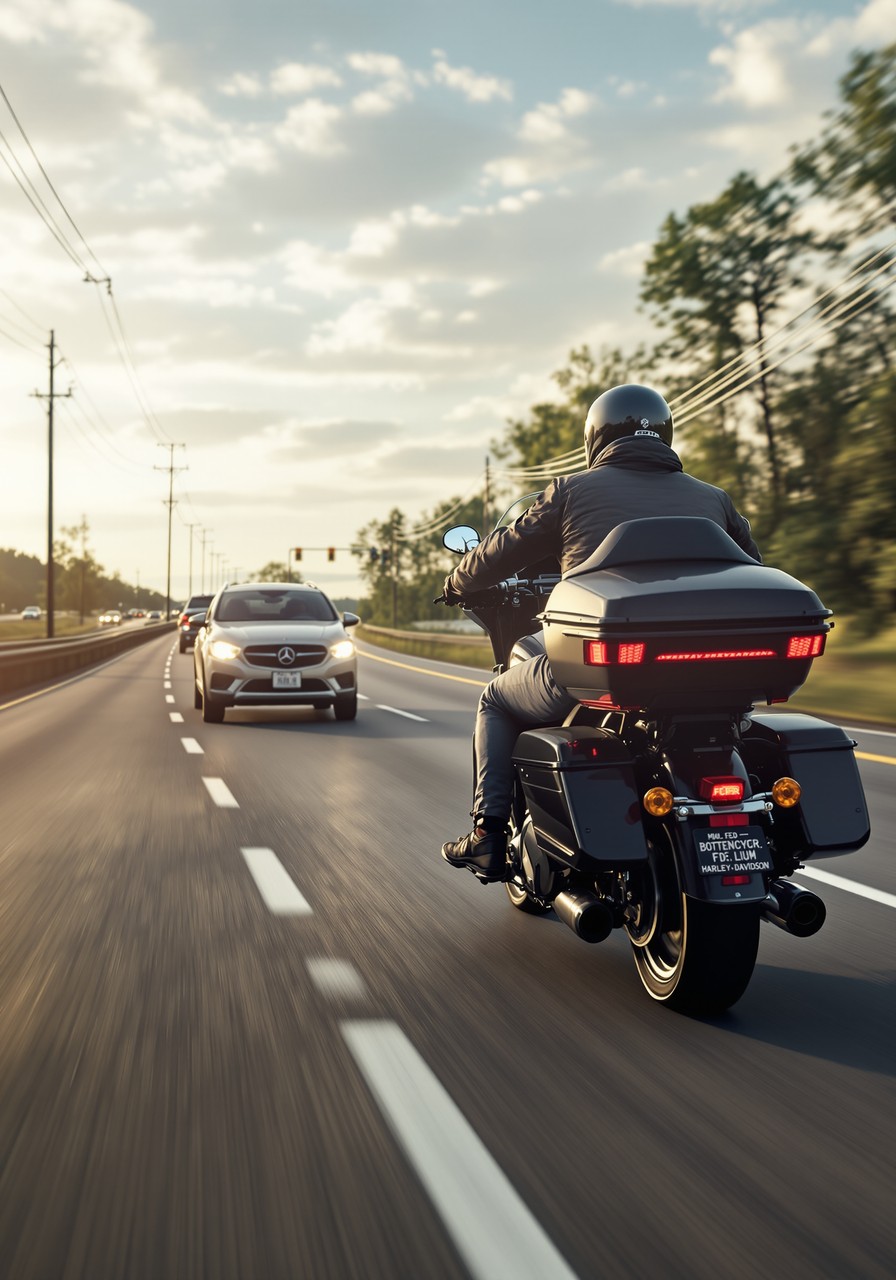
Your lane position is your safety tool. Ride where drivers can see you, not in the blind spot. #RideNationNY #MotorcycleSafety #NewYorkRiders
Engagement
Hot chocolate or black coffee while you plan the spring route? #RideNationNY #BuffaloRiders #WNYRiders
Giveaway & Countdown
Every ride counts down to something good. Right now, that's the BikersWin giveaway. #RideNationNY #BikersWin #MotorcycleGiveaway #WNYRiders
Local NY & Rides
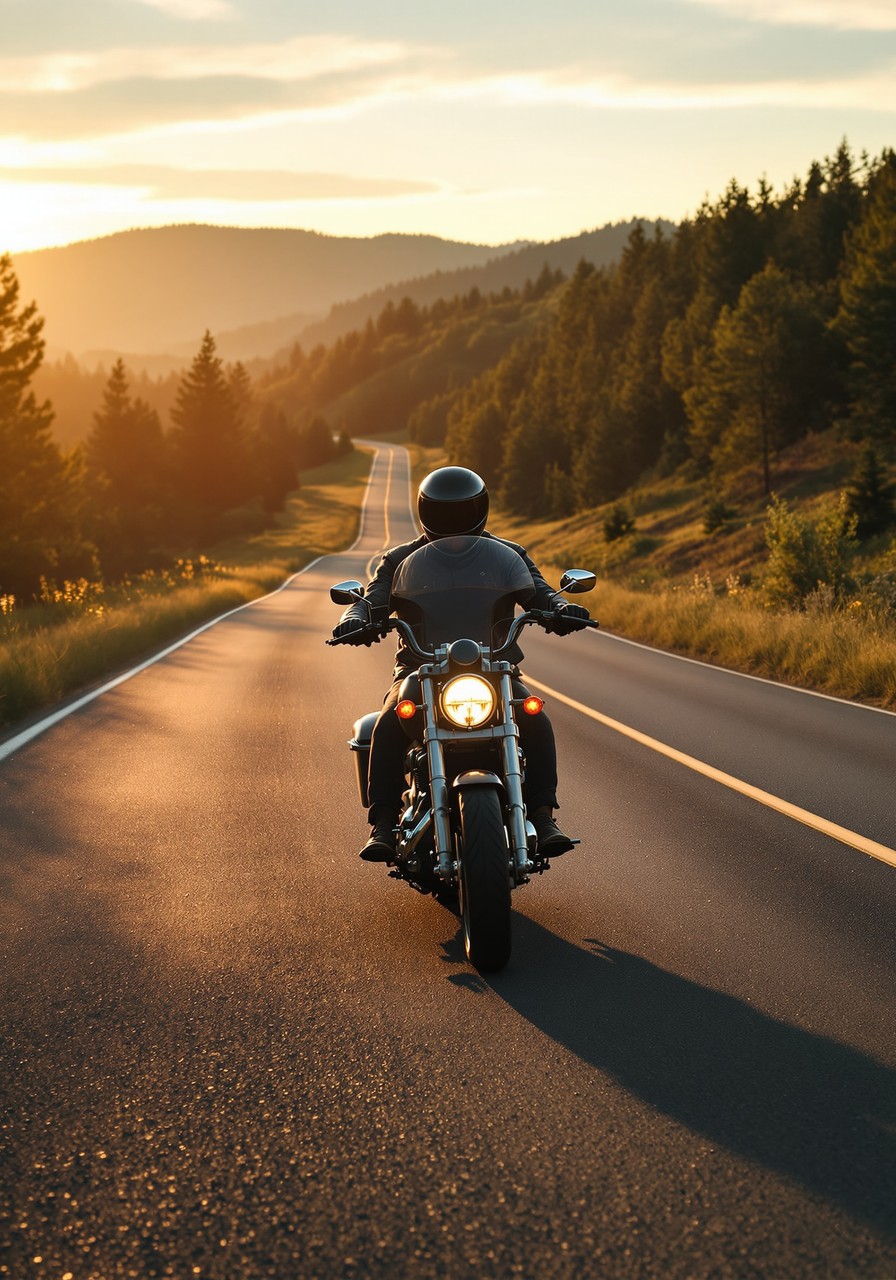
Letchworth in October: gorge views, orange leaves, and cool crisp air. Bring a layer, the shade gets cold fast. #RideNationNY #Letchworth #NewYorkRiders #MotorcycleRoads
Gear & New Iron
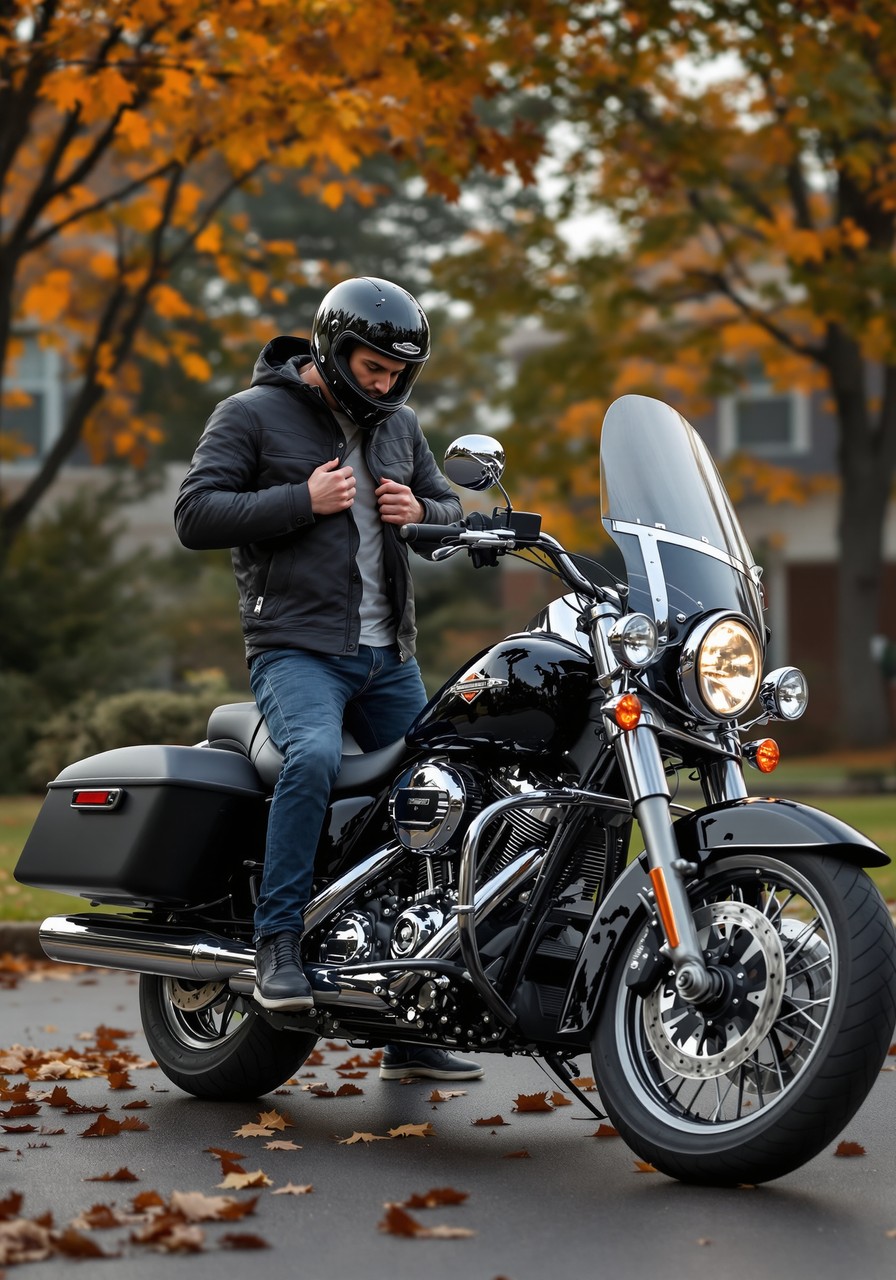
CE-rated armor in the shoulders, elbows, knees and hips only works if it stays in place. Check the fit. #RideNationNY #GearUp #ATGATT
Safety & NY Law
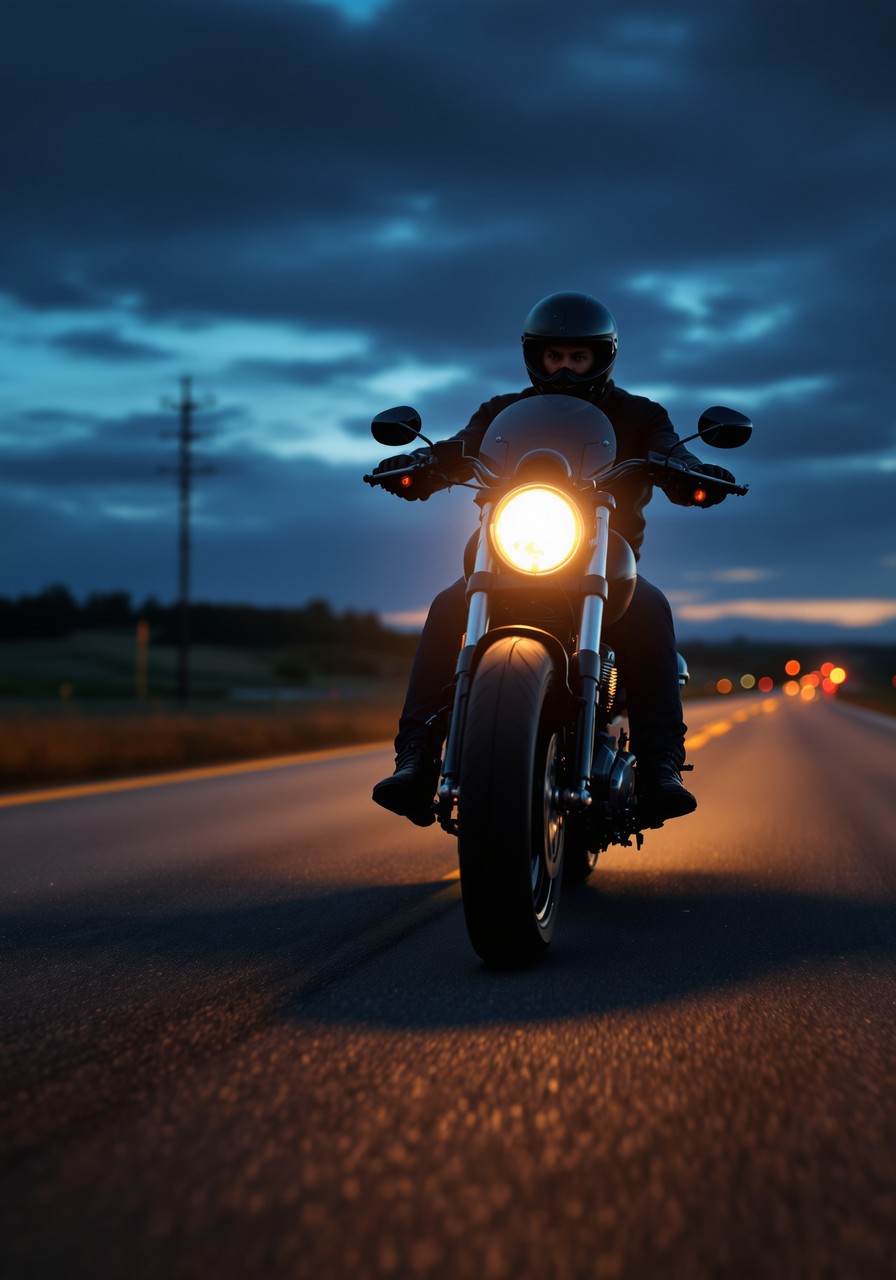
UM coverage is required in New York, and it is what protects you when the other driver has no insurance or too little. Check your policy today. #RideNationNY #RiderRights #NewYorkRiders
Engagement
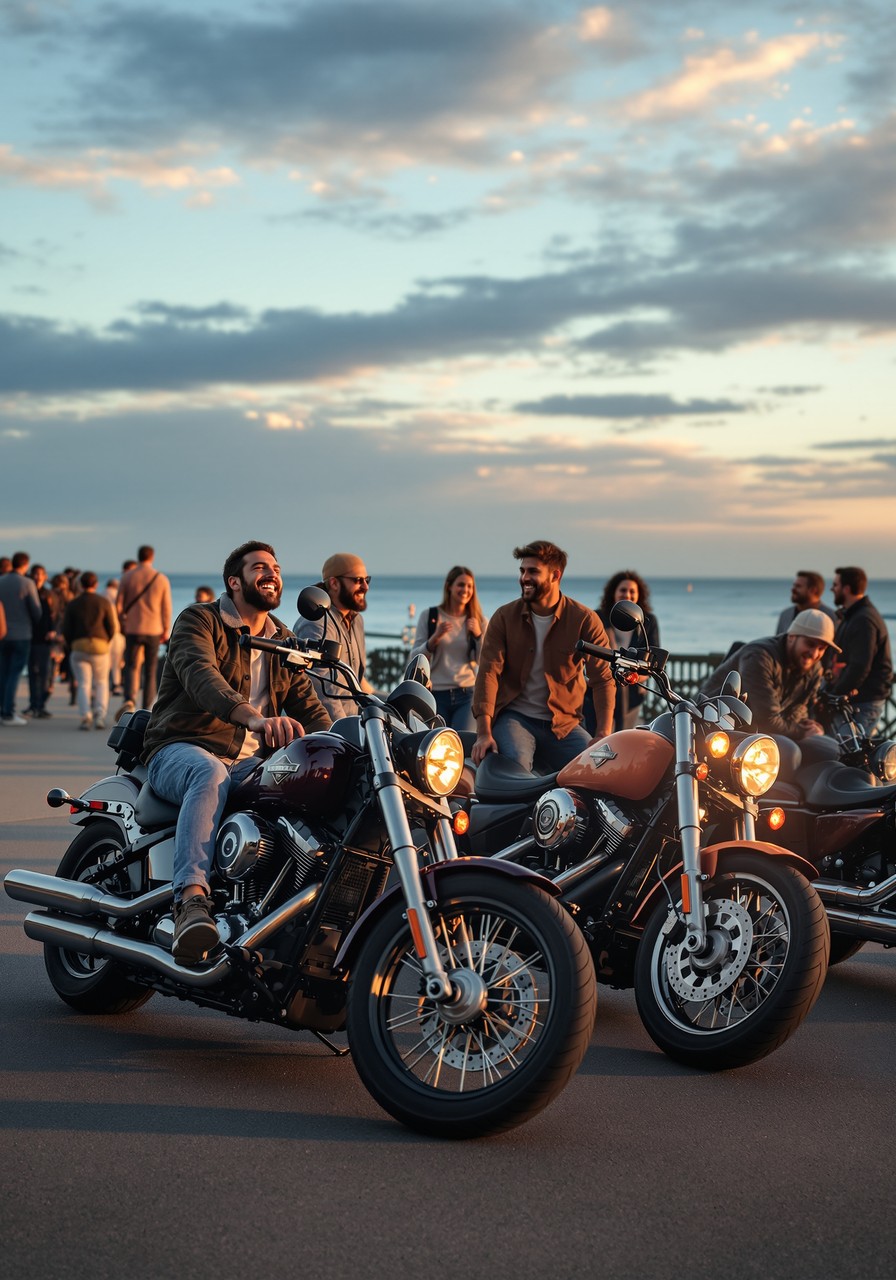
Tag someone who still has not admitted their bike is a little bit dirty. We are not naming names. #RideNationNY #RideOrDie #TwoWheels
Giveaway & Countdown
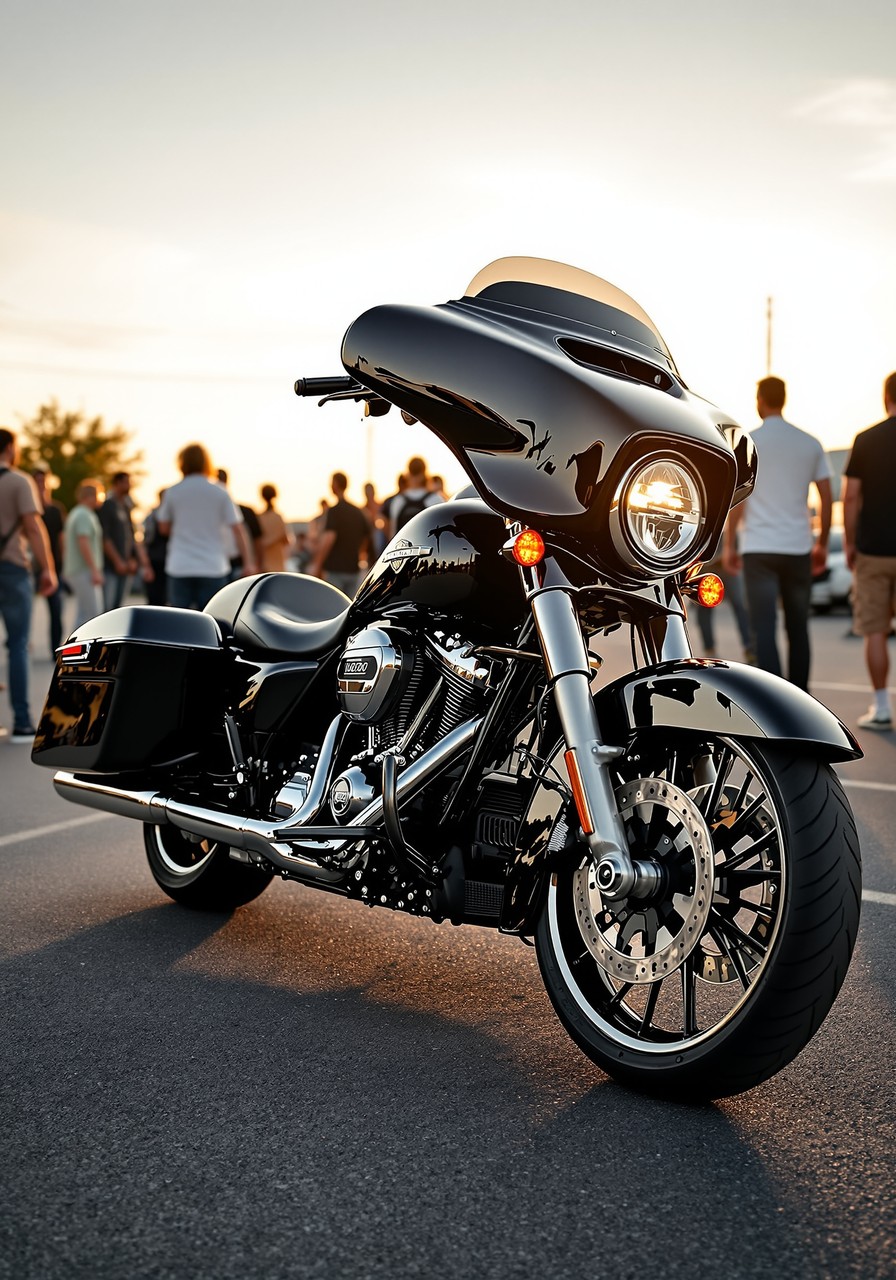
Rick and the crew at The Nicotra Law Firm are pumped for this giveaway. Ask us how to enter at (716) 333-0043. It's free. #RideNationNY #20kGiveaway #NewYorkRiders
Local NY & Rides
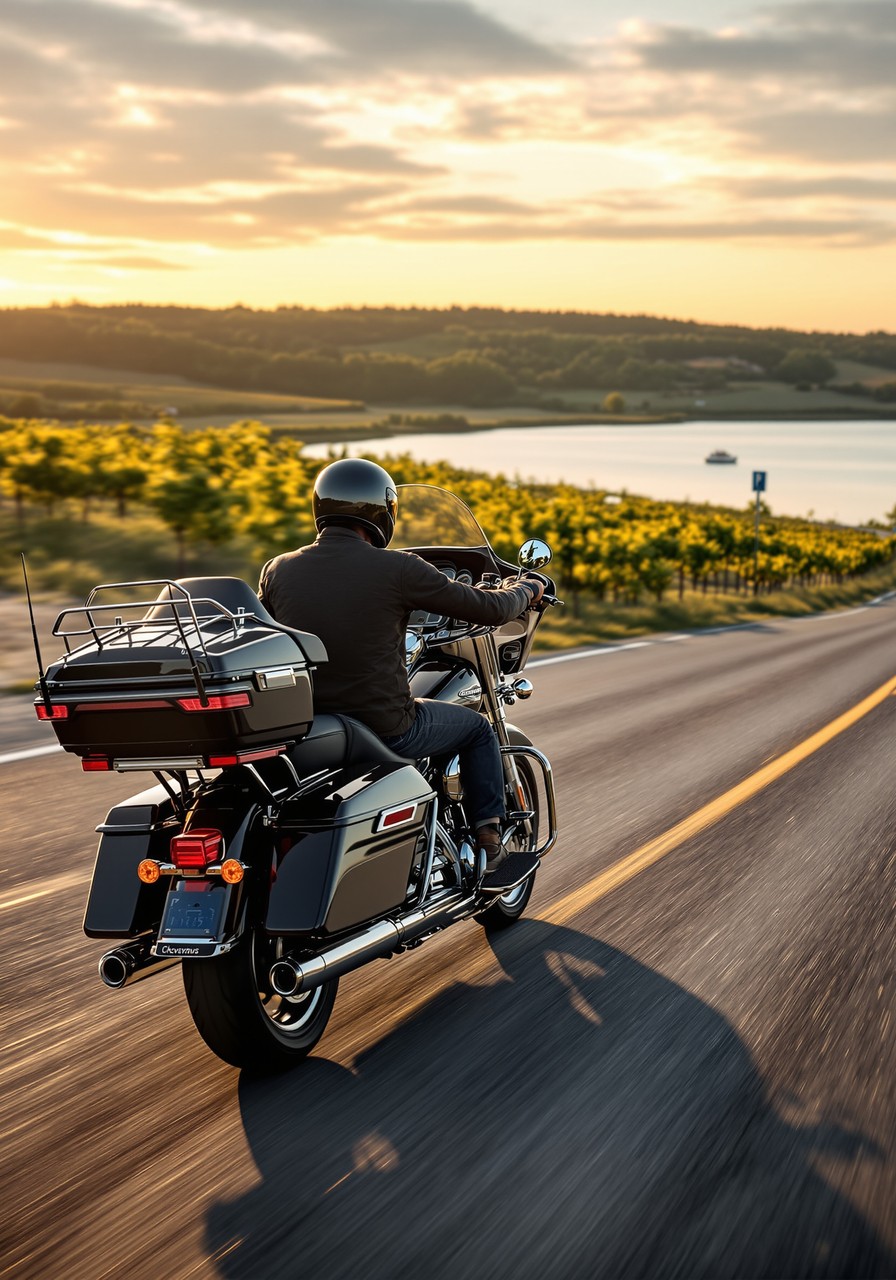
Lake Erie gets a wind off the water that will push a bike sideways on open stretches of Route 5. Loosen your grip and lean into it. #RideNationNY #LakeErie #WNYRiders
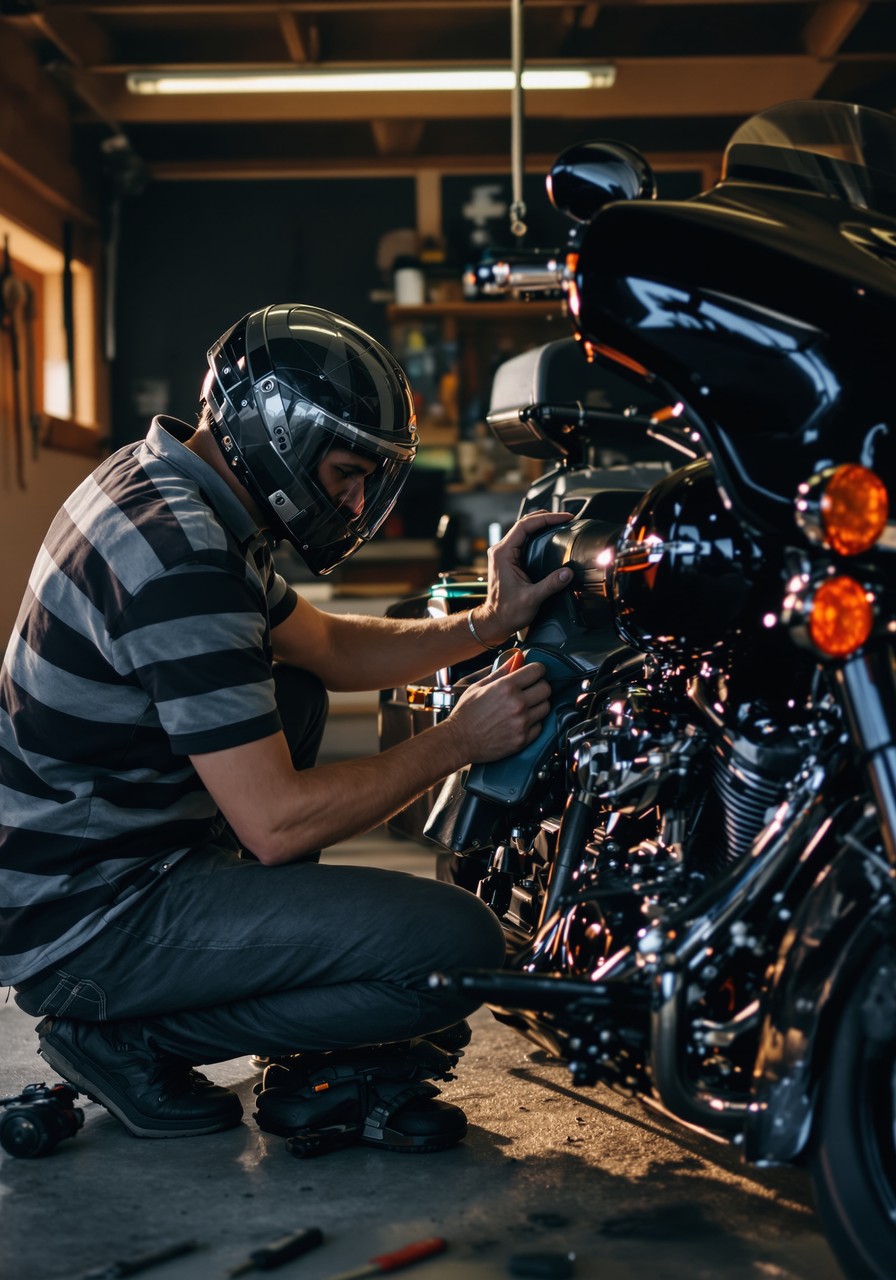
Gear & New Iron
Look for the CE Level 2 tag on back protectors. It is a quick way to see what you are actually wearing. #RideNationNY #GearUp #ATGATT #RiderTips
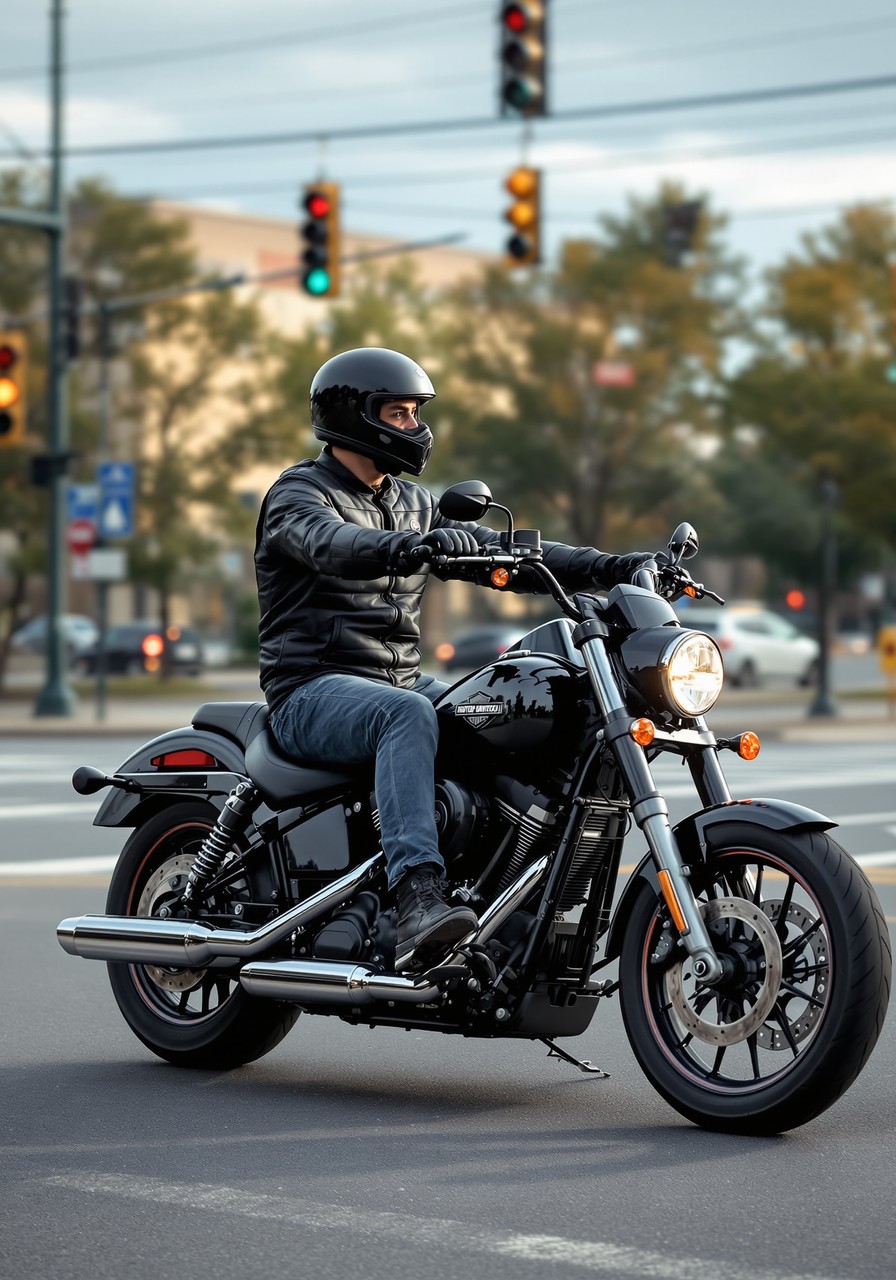
Safety & NY Law
Bridge decks freeze first and thaw last. Watch the Buffalo bridges on cold mornings and give yourself extra room. #RideNationNY #BuffaloRiders #MotorcycleSafety
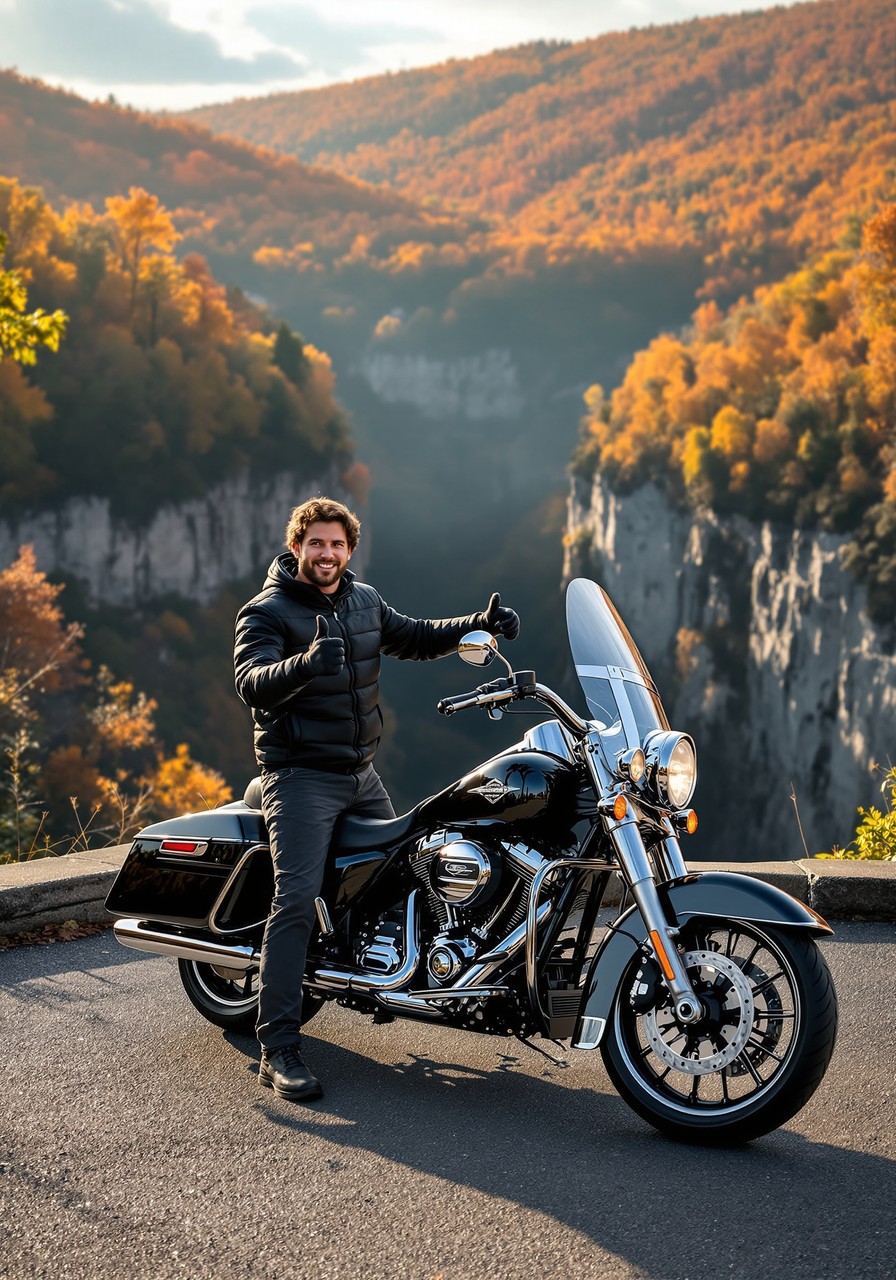
Engagement
Best ride of last season, in five words or fewer. Let us hear it. #RideNationNY #WNYRiders #NewYorkRiders
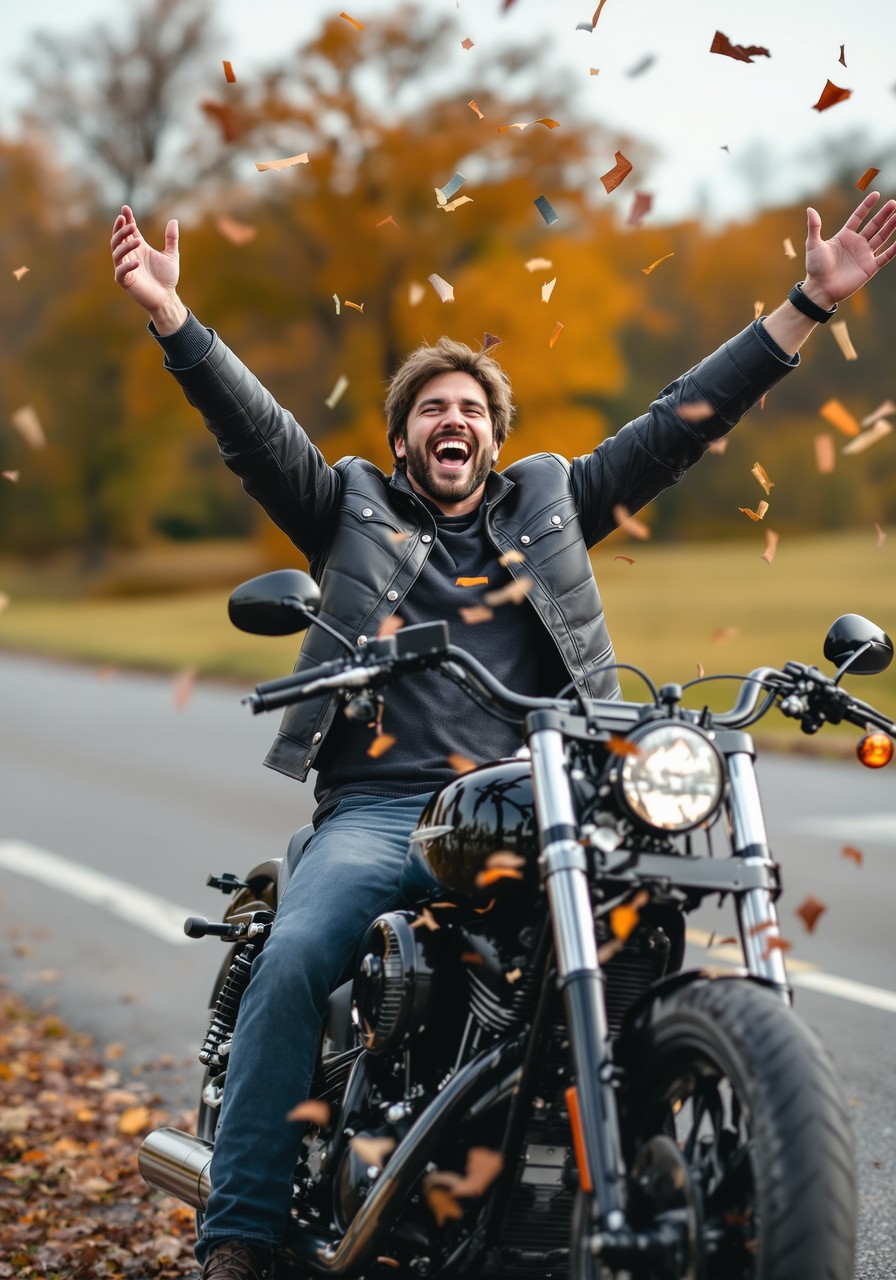
Giveaway & Countdown
Who's your riding buddy? Tag them. They might be the next big winner. #RideNationNY #MotorcycleGiveaway #BuffaloRiders
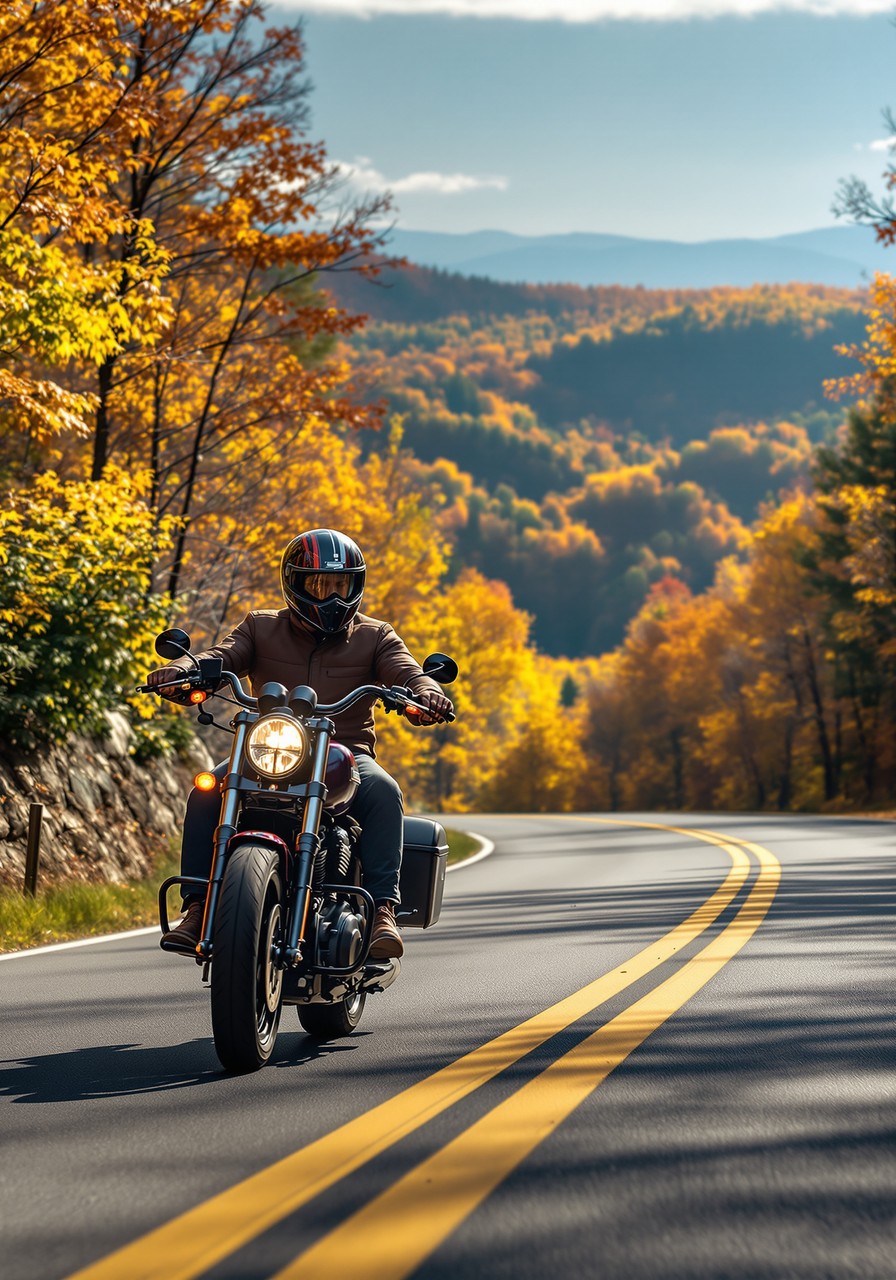
Local NY & Rides
Not every ride has to be far. A short loop through the Southtowns with your crew on a bright Saturday is the good stuff. #RideNationNY #WNYRiders #BuffaloRiders
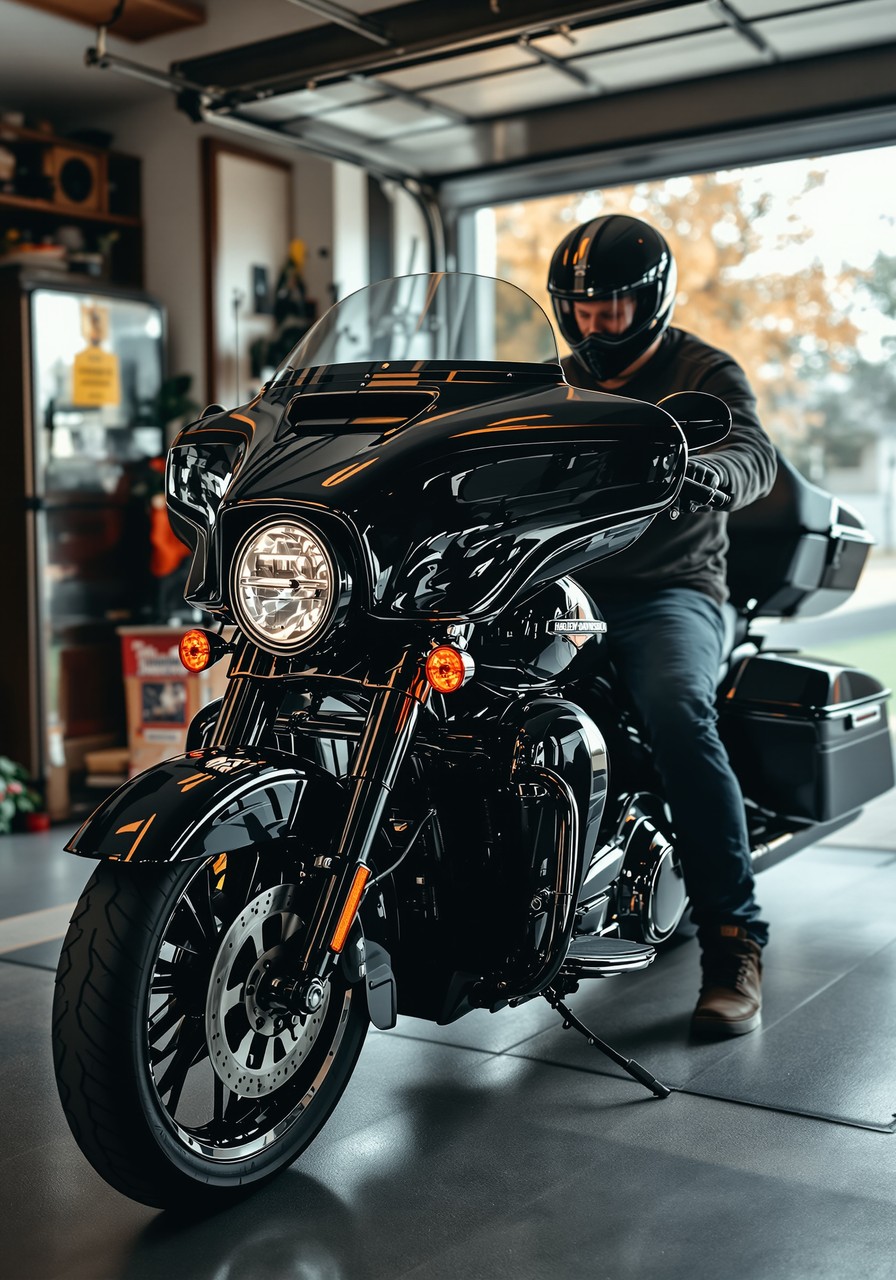
Gear & New Iron
ATGATT is not a slogan, it is a habit. Helmet, jacket, gloves, pants, boots, every ride. #RideNationNY #ATGATT #BikerLife
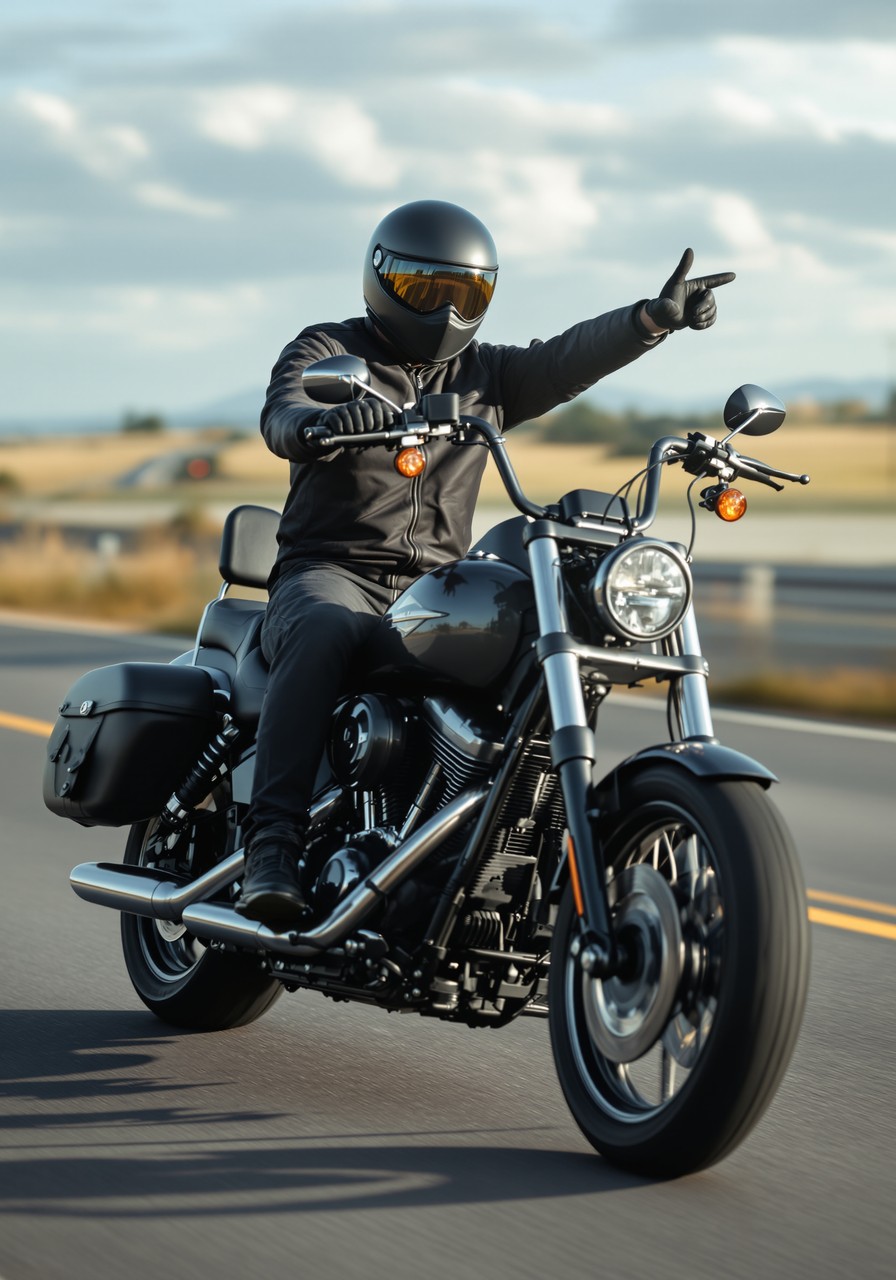
Safety & NY Law
Good gear is not for looks. Jacket, gloves, boots, helmet, every ride. Full-gear riders walk away from more. #RideNationNY #ATGATT #WNYRiders
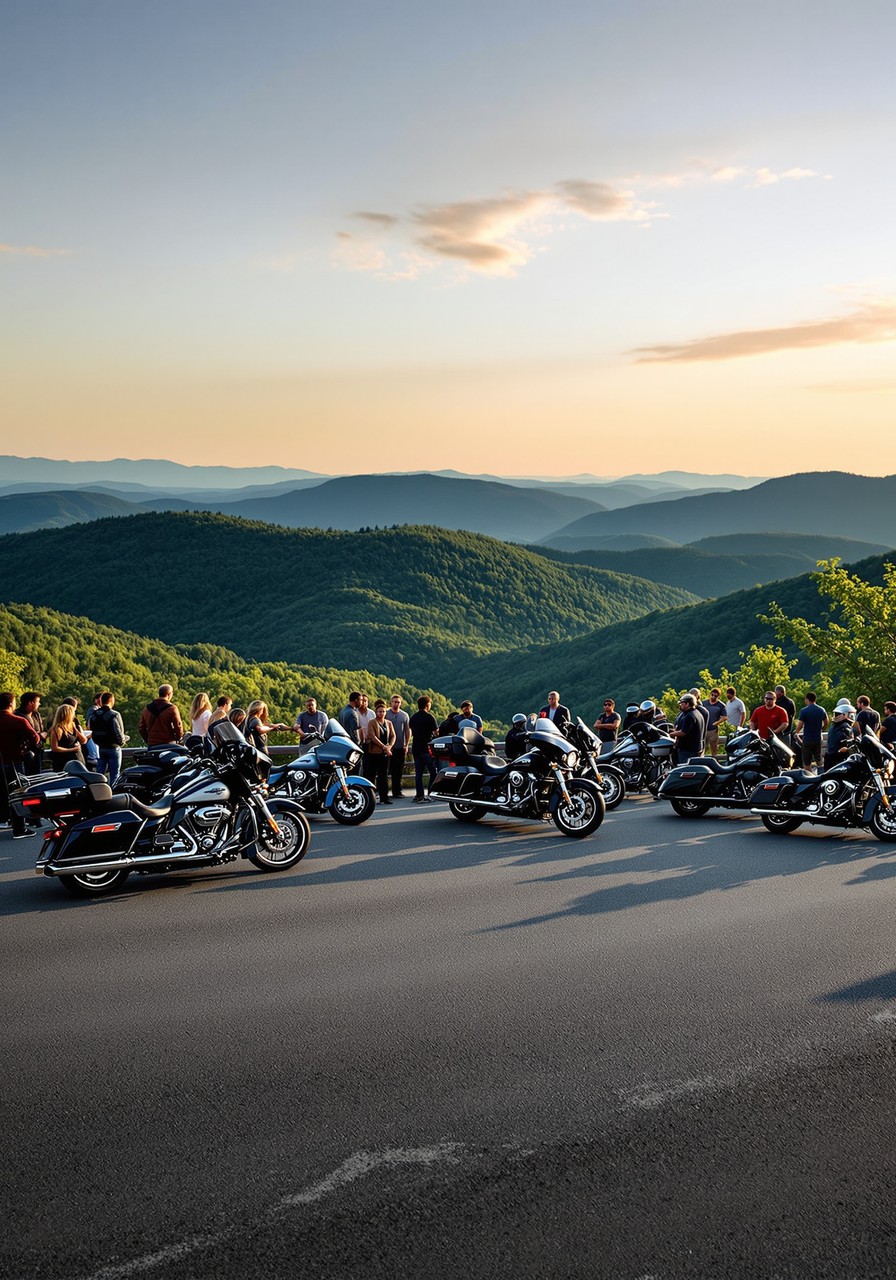
Engagement
This or that: a twisty back road or a wide open stretch along Lake Erie. #RideNationNY #LakeErie #BuffaloRiders
Giveaway & Countdown
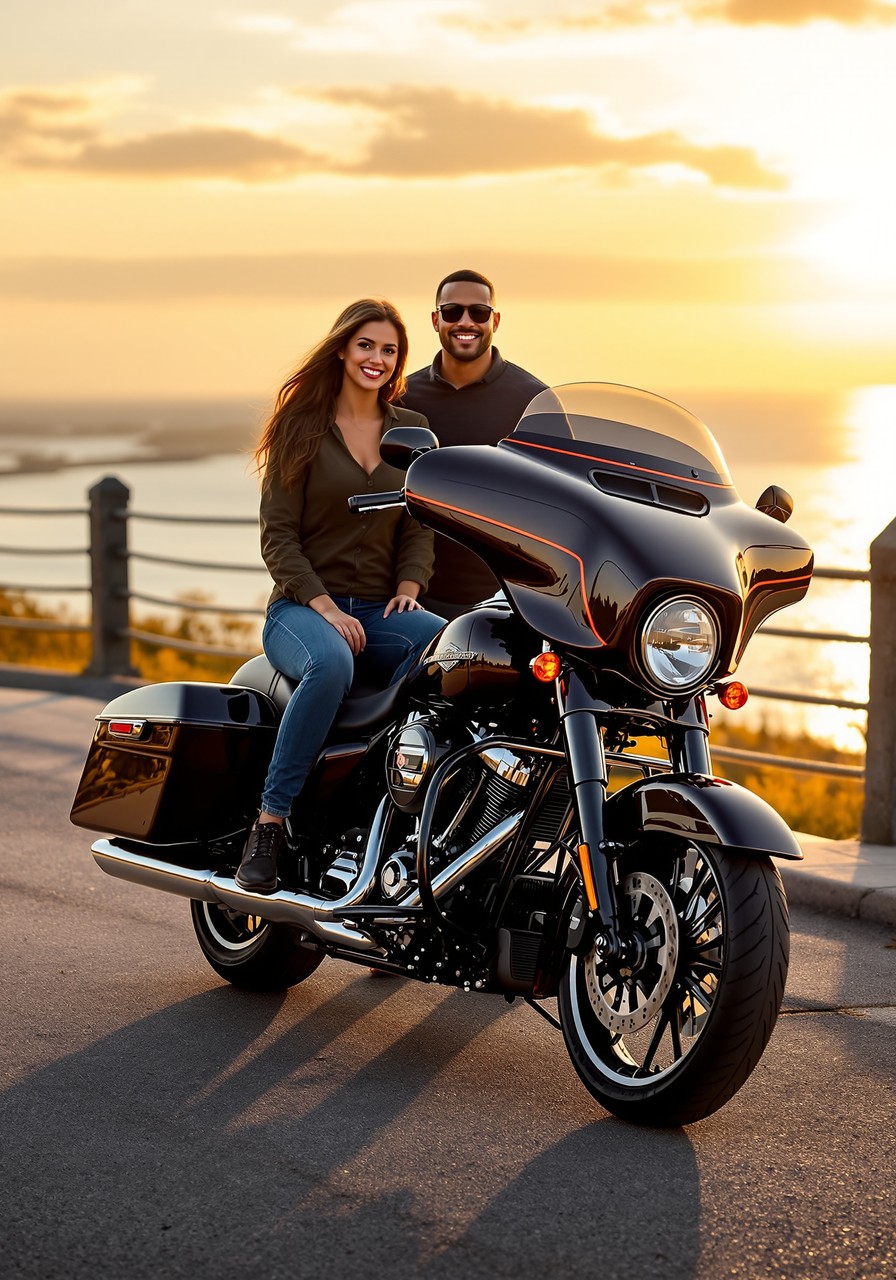
Riders helping riders, that's Ride Nation. Spread the word about the $20,000 giveaway and help a friend get in. #RideNationNY #BikersWin #WNYRiders
Local NY & Rides
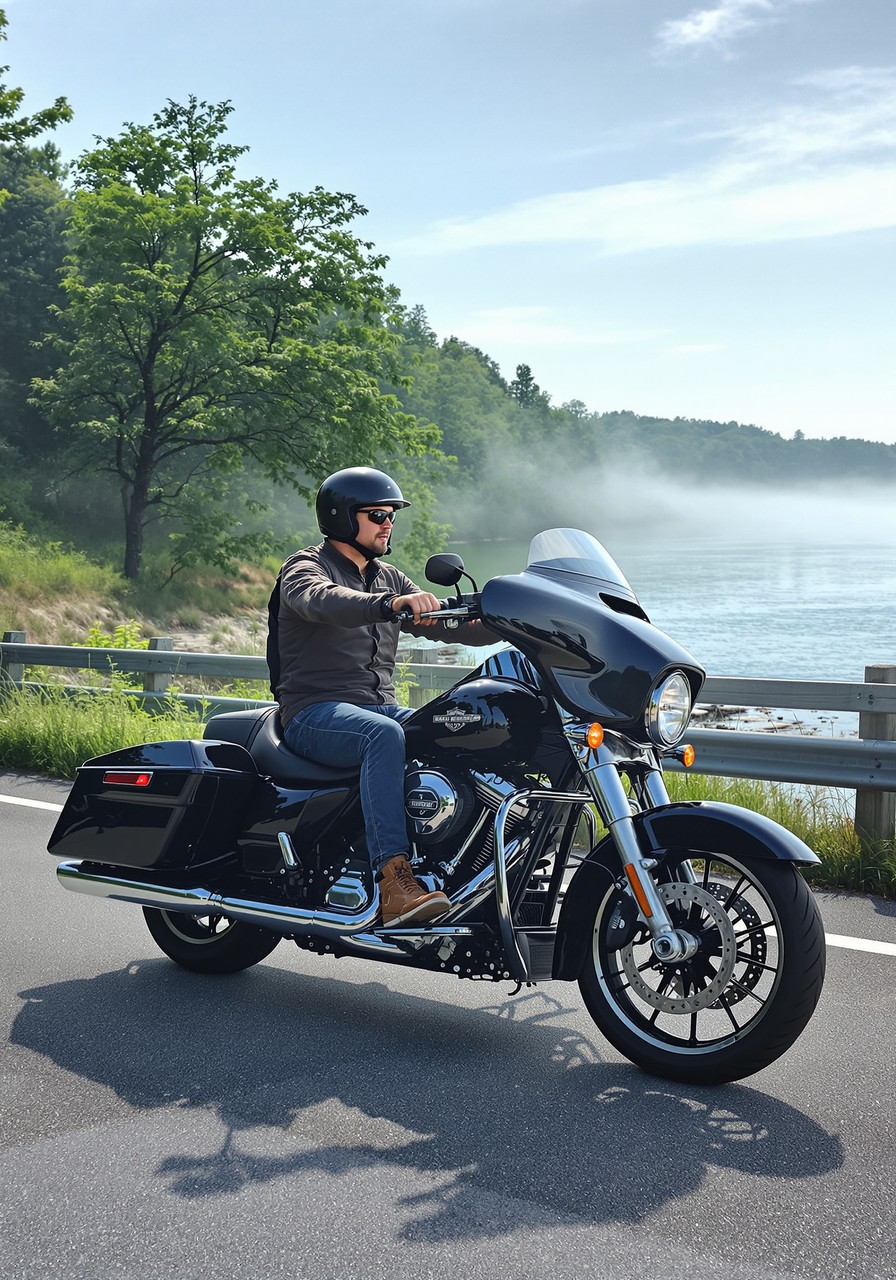
Ice on the bridges before it shows on the roads. If you ride a cold morning in Buffalo, cross bridge decks upright and steady, no braking, no sudden inputs. #RideNationNY #BuffaloRiders #NewYorkRiders
Gear & New Iron
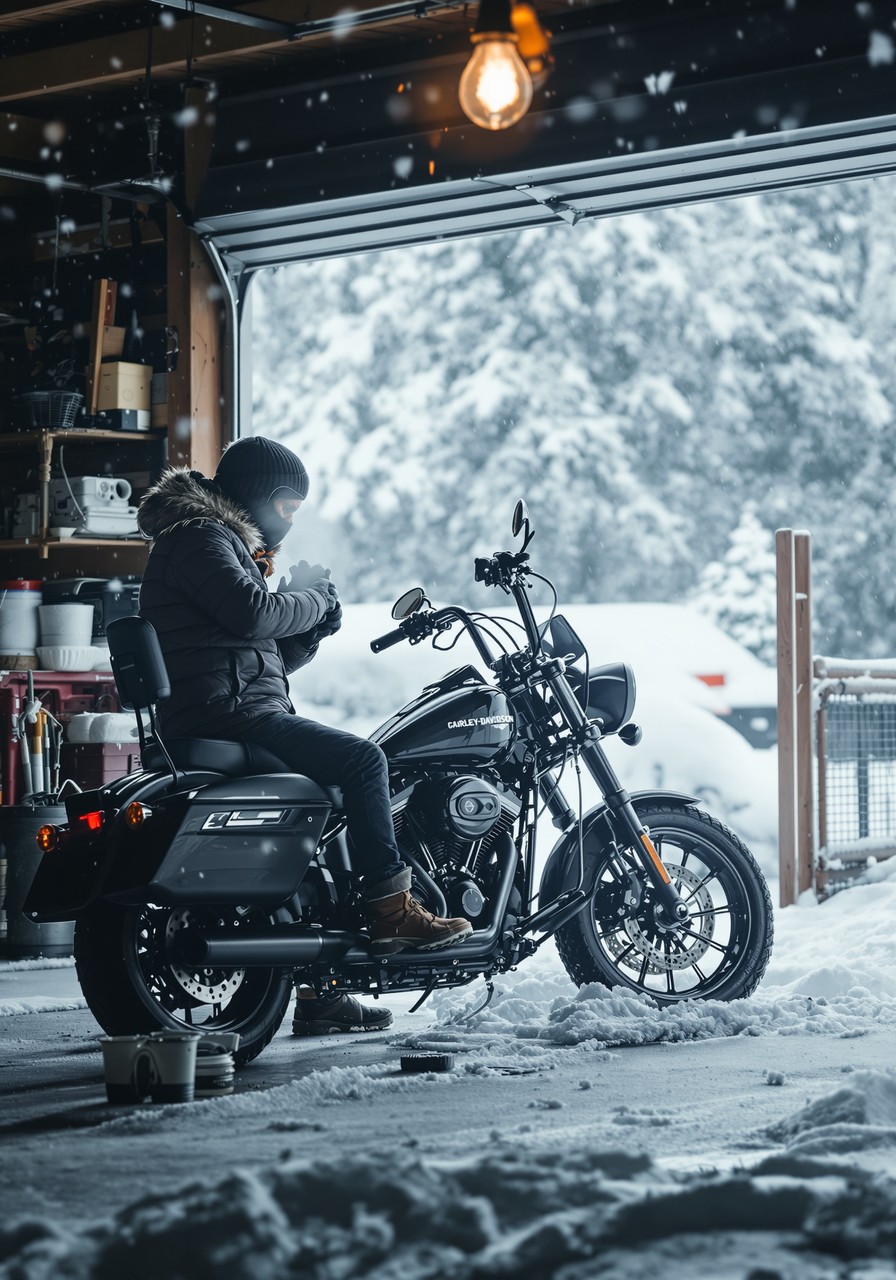
Boots should cover the ankle and have real sole support. Sneakers are not riding gear, even for a short trip. #RideNationNY #ATGATT #GearUp
Safety & NY Law
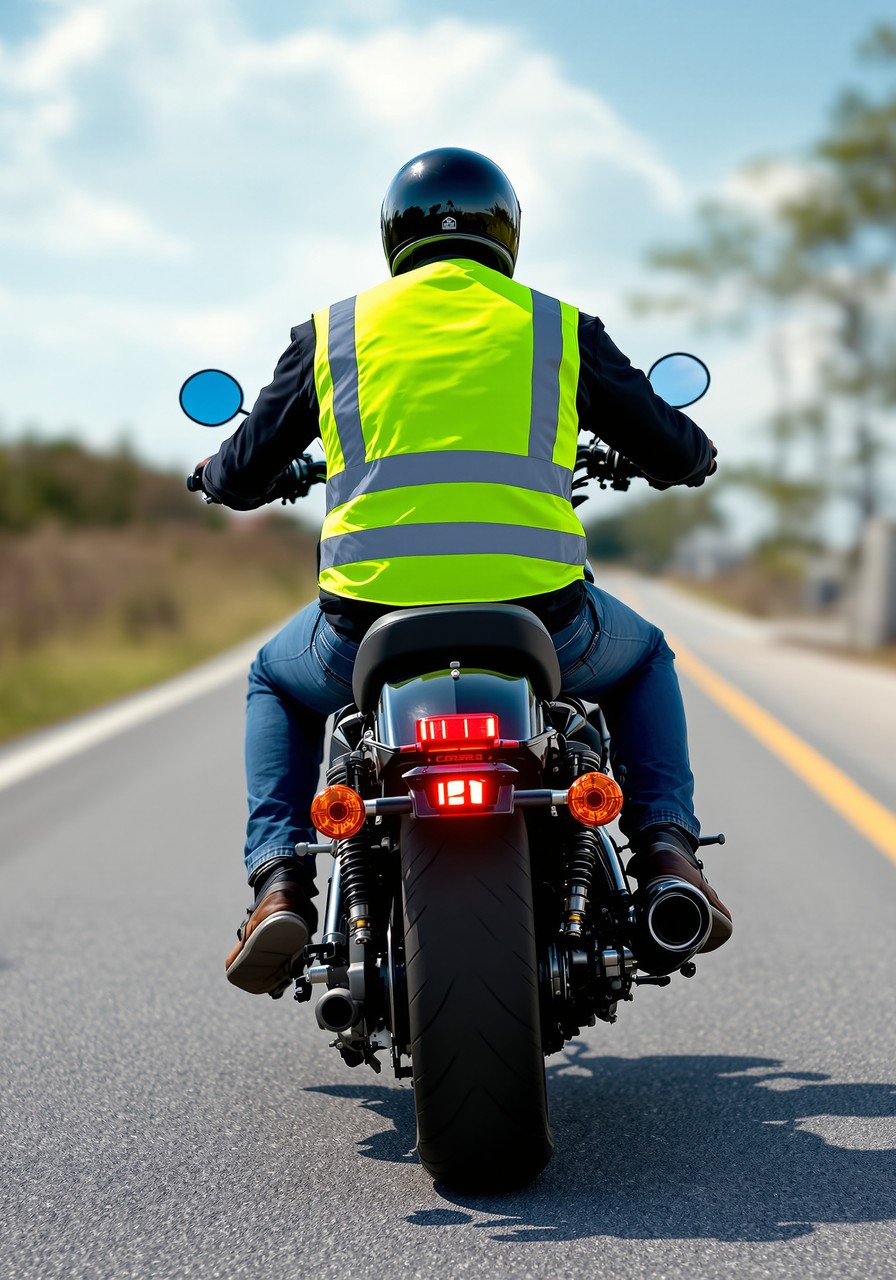
Frost heaves show up after every Western New York winter. Scan the pavement ahead and slow down before the bump, not during it. #RideNationNY #BuffaloRiders #MotorcycleSafety
Engagement
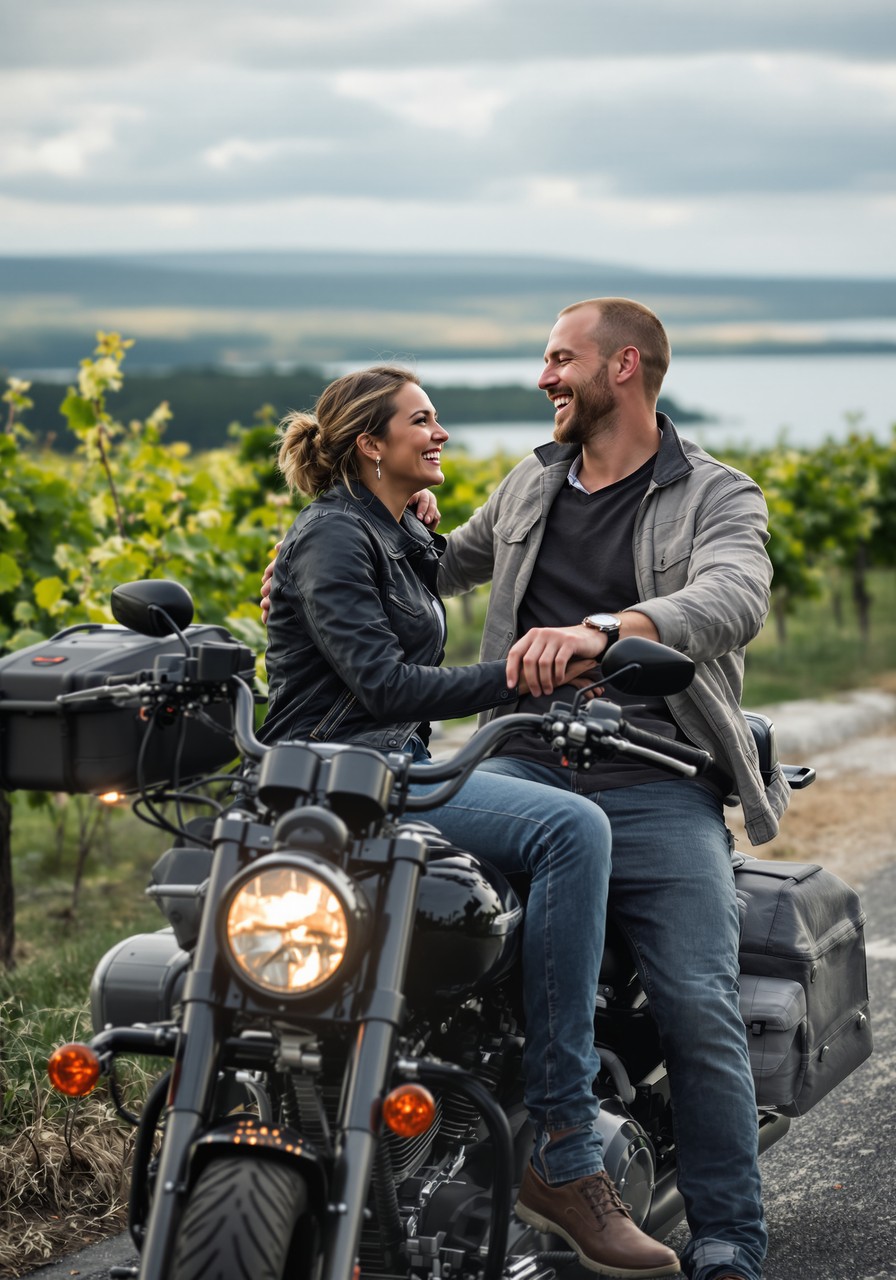
What is the first thing you do after the last snowbank melts: wash the bike or ride the bike? #RideNationNY #WNYRiders #TwoWheels
Giveaway & Countdown
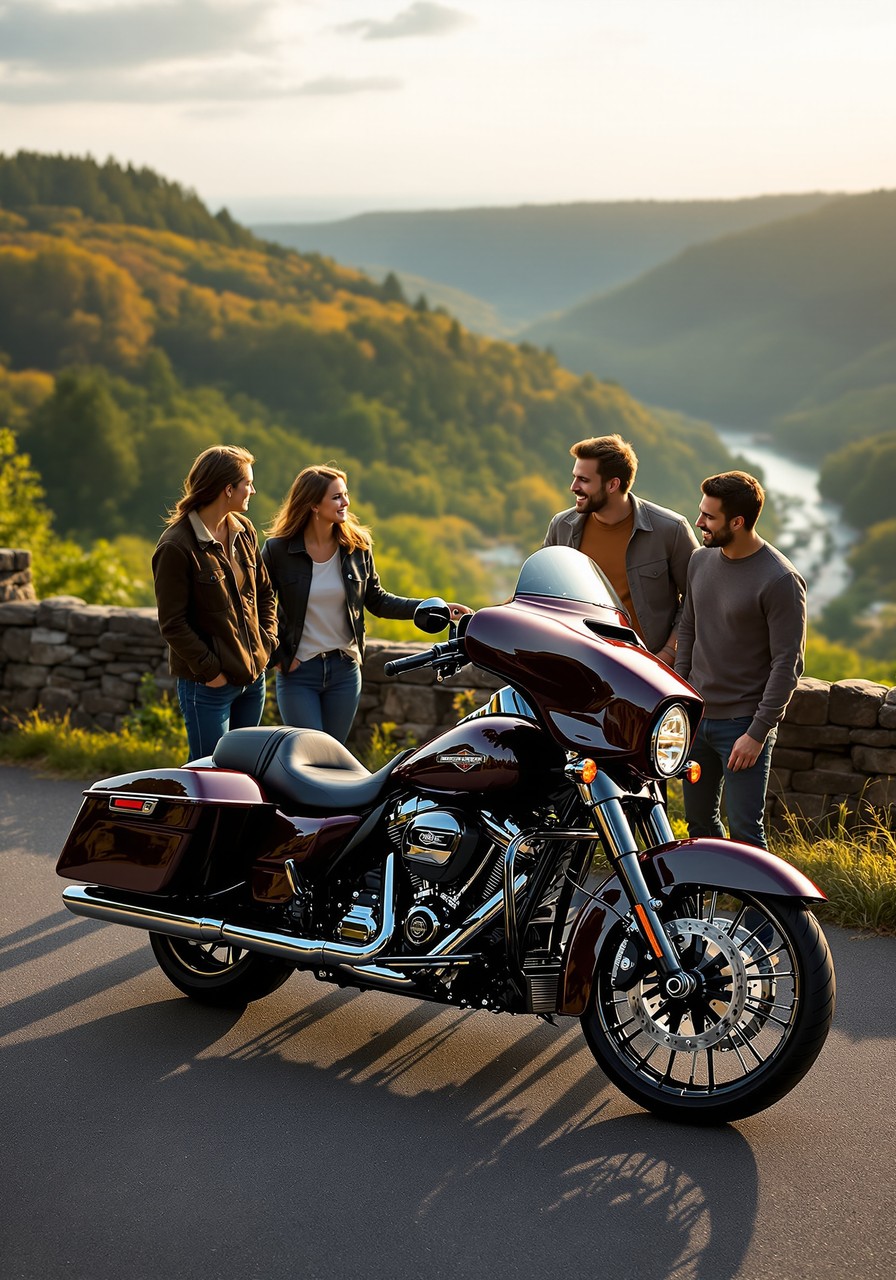
Had a crash and don't know where to start? Call The Nicotra Law Firm at (716) 333-0043. Talking with us is free and gets you an entry in the giveaway. #RideNationNY #BikersWin #MotorcycleGiveaway
Local NY & Rides
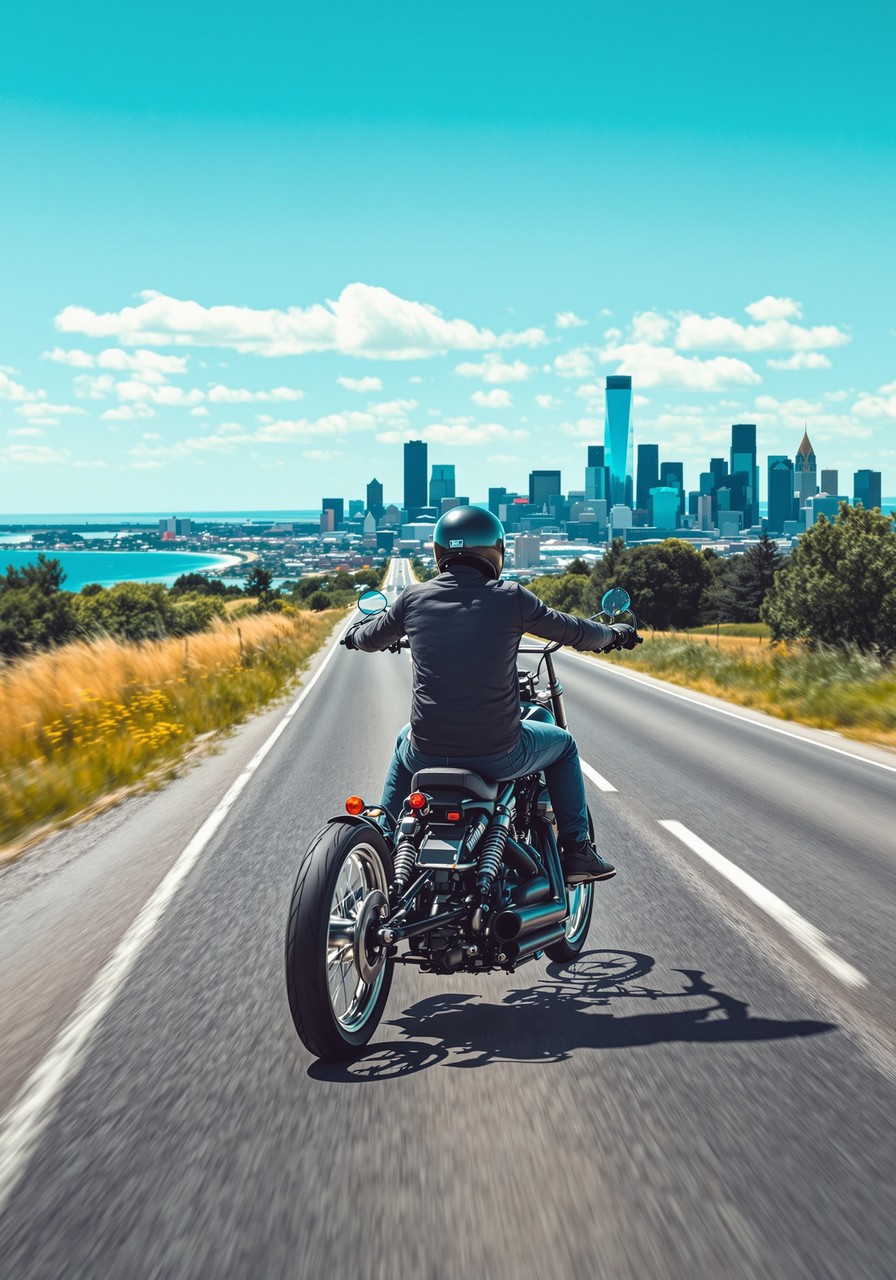
Niagara Falls is a great destination ride when the weather holds. Go early, park the bike, and walk up to the rail. #RideNationNY #NiagaraFalls #BuffaloRiders
Gear & New Iron
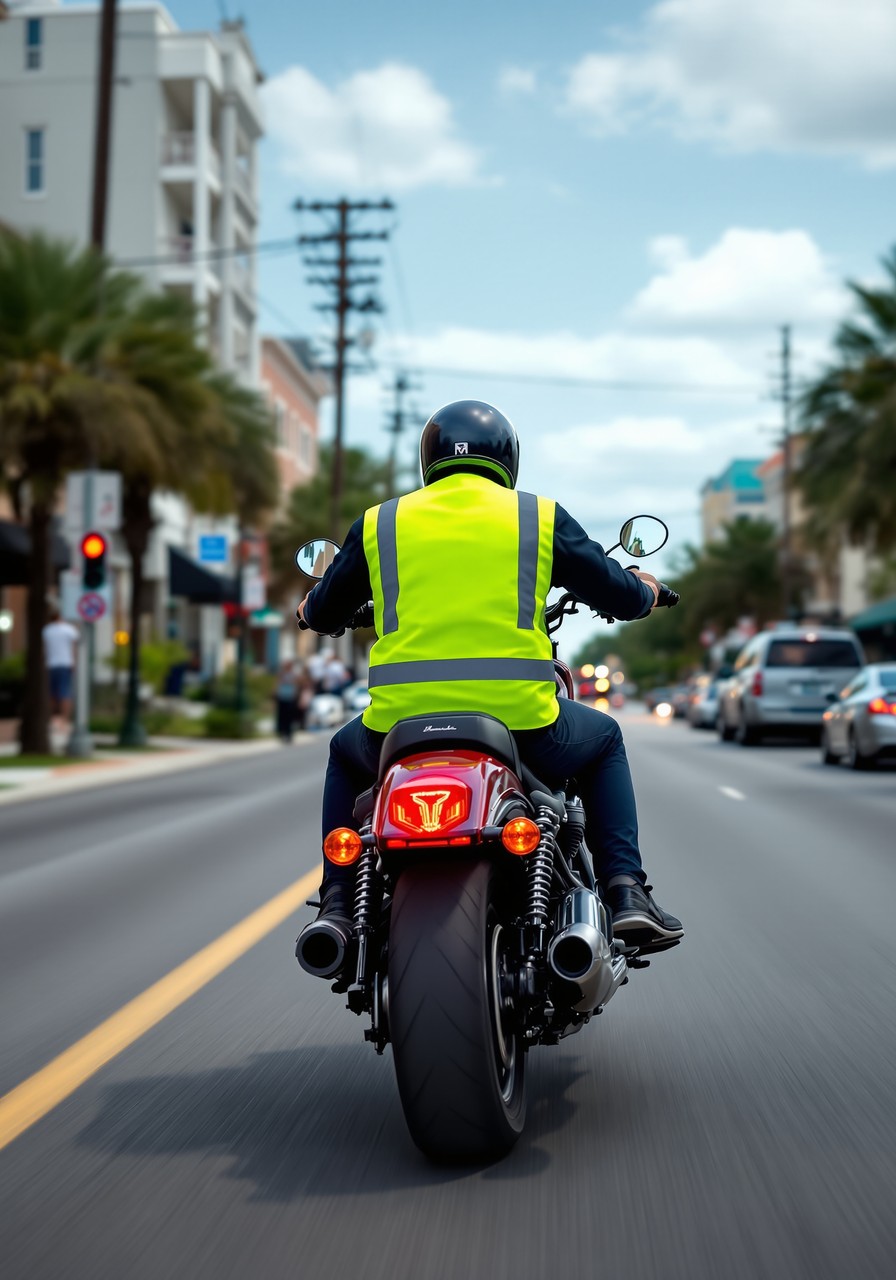
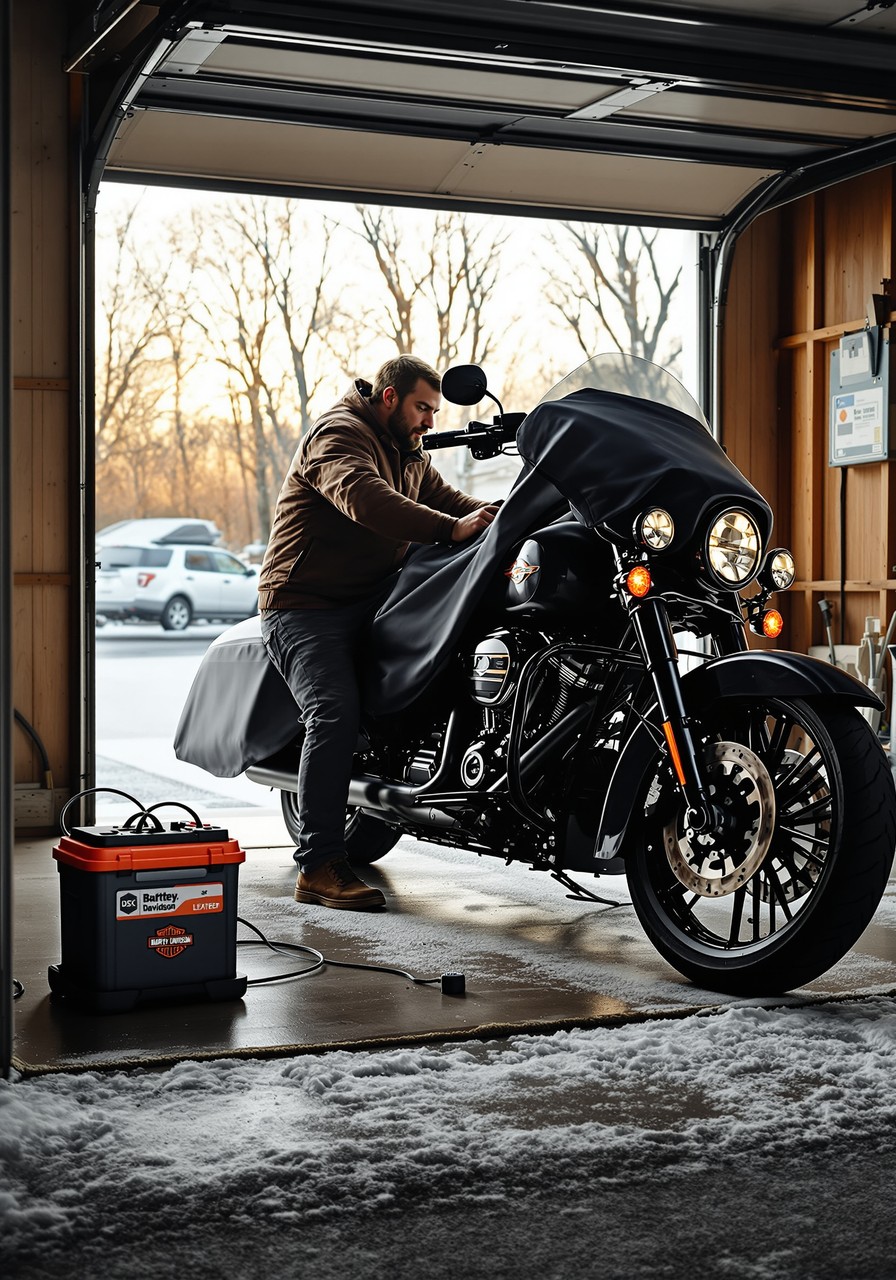
Hi-viz or reflective panels help drivers pick you out in gray Buffalo weather and low sun. #RideNationNY #GearUp #BuffaloRiders #RiderTips
Safety & NY Law
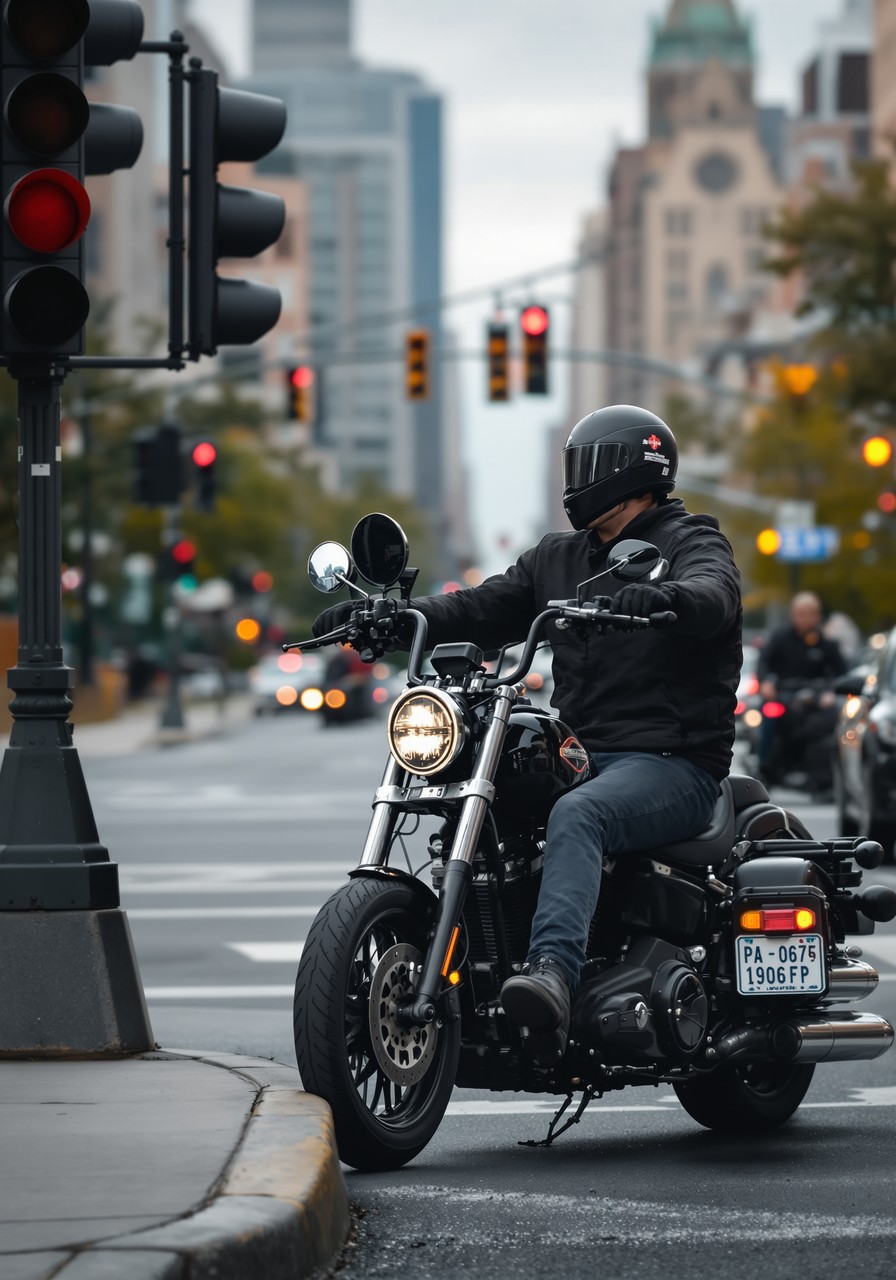
Know your deadlines: 3 years for most New York injury claims, and just 90 days for a Notice of Claim against a city, county or the NFTA. #RideNationNY #KnowYourRights #NewYorkRiders
Engagement
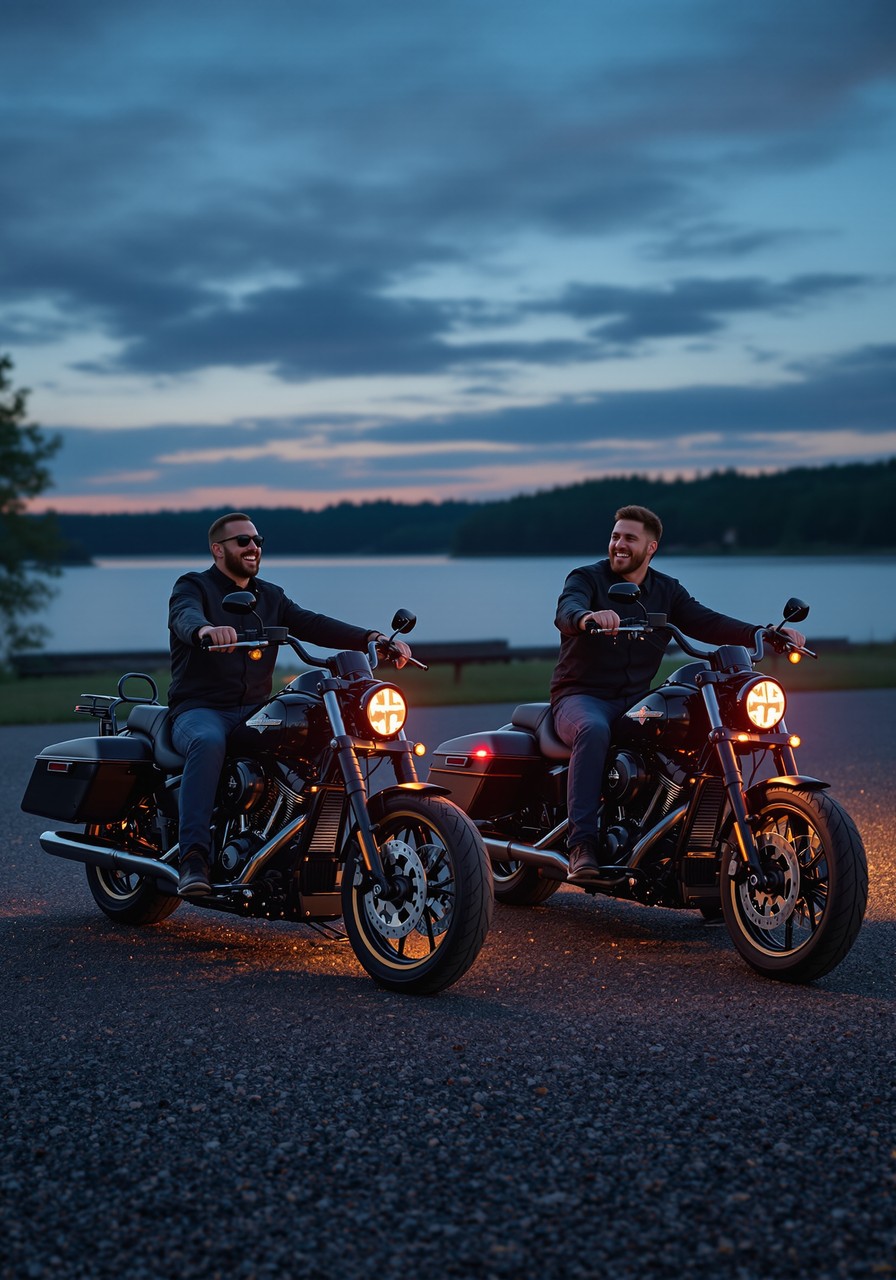
Caption this: the moment you see a dry road in February. #RideNationNY #BuffaloRiders #NewYorkRiders
Giveaway & Countdown
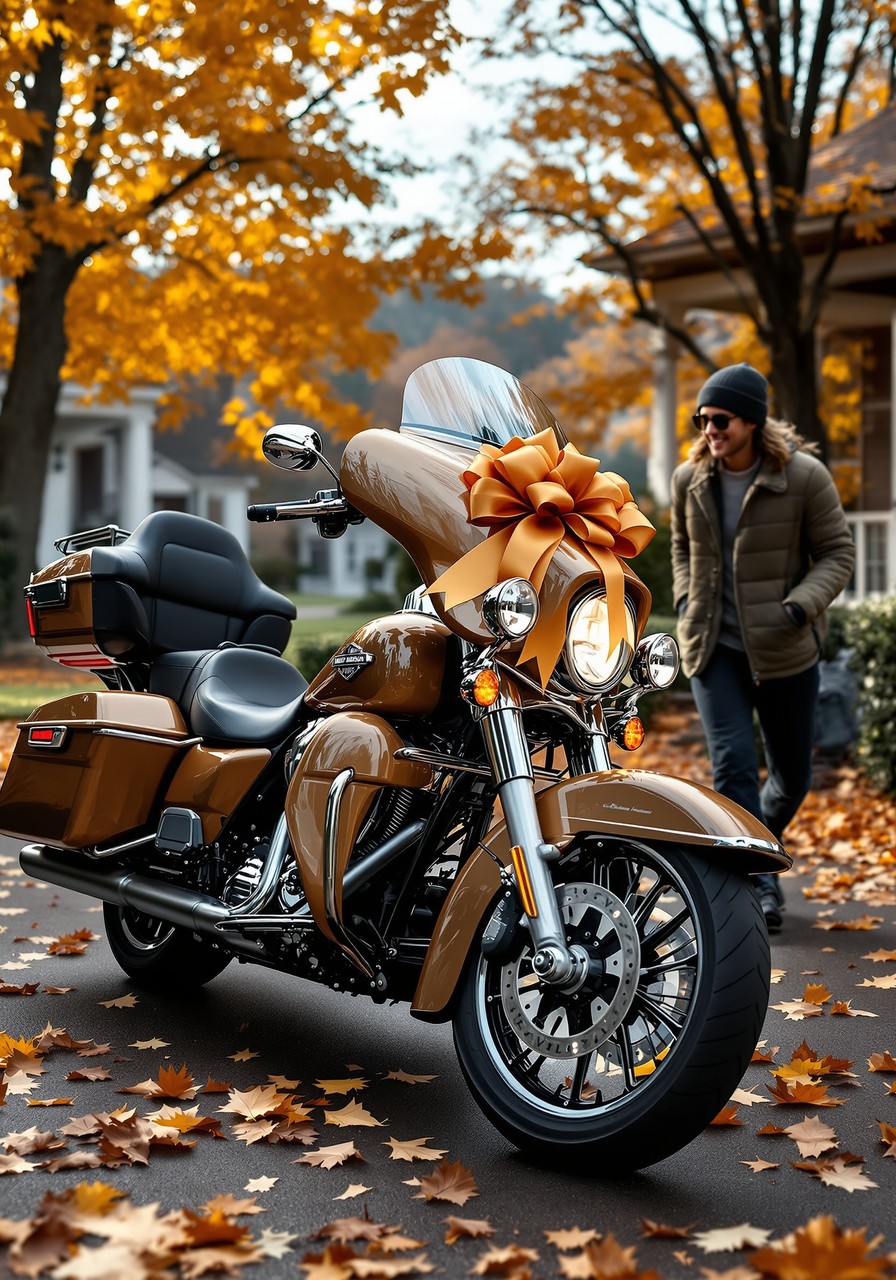
Can you feel it, Buffalo? The countdown energy is building and the finish line is getting closer. #RideNationNY #20kGiveaway #BuffaloRiders
Local NY & Rides
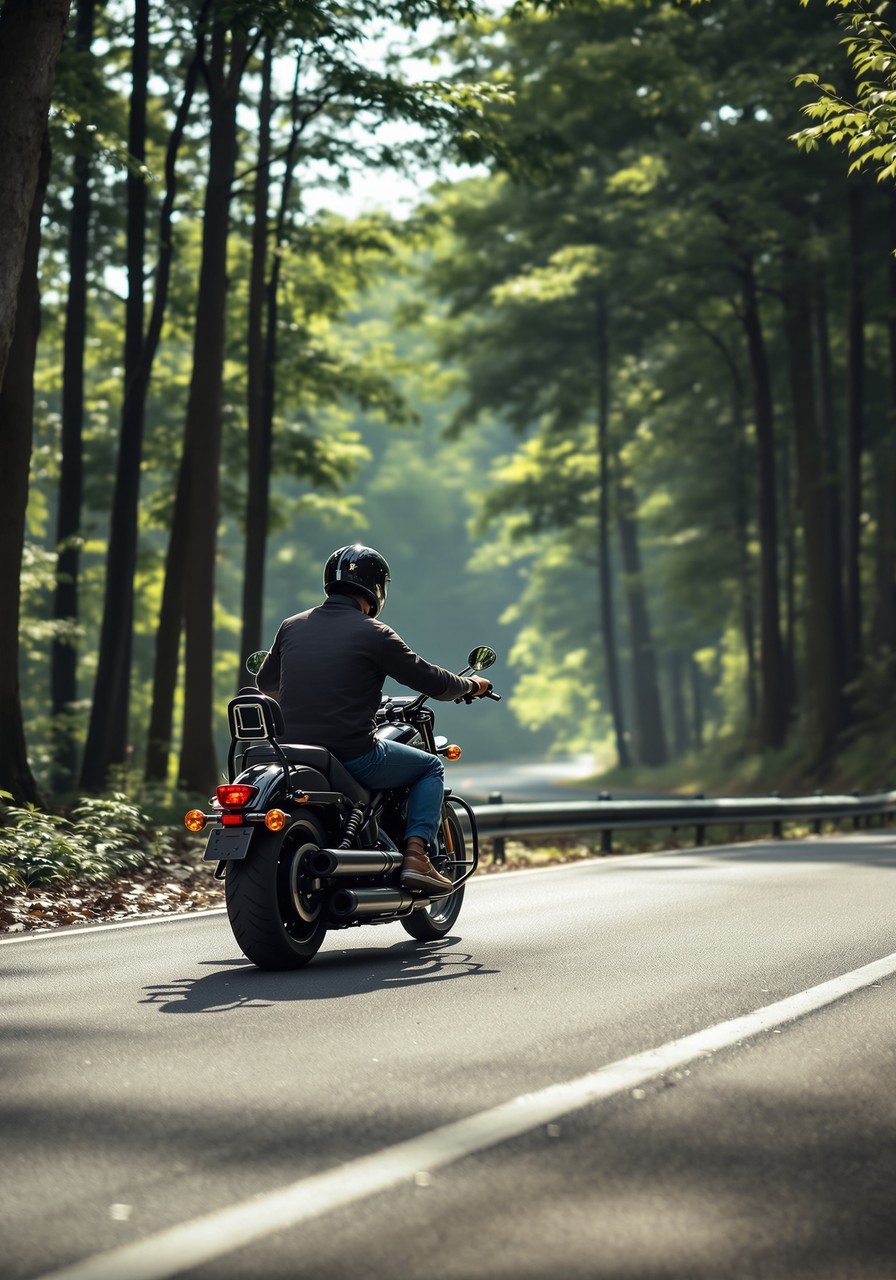
Frost heaves on the Southtowns backroads can be a foot deep in spots. Take a new road slowly the first time in spring. #RideNationNY #WNYRiders #MotorcycleRoads
Gear & New Iron
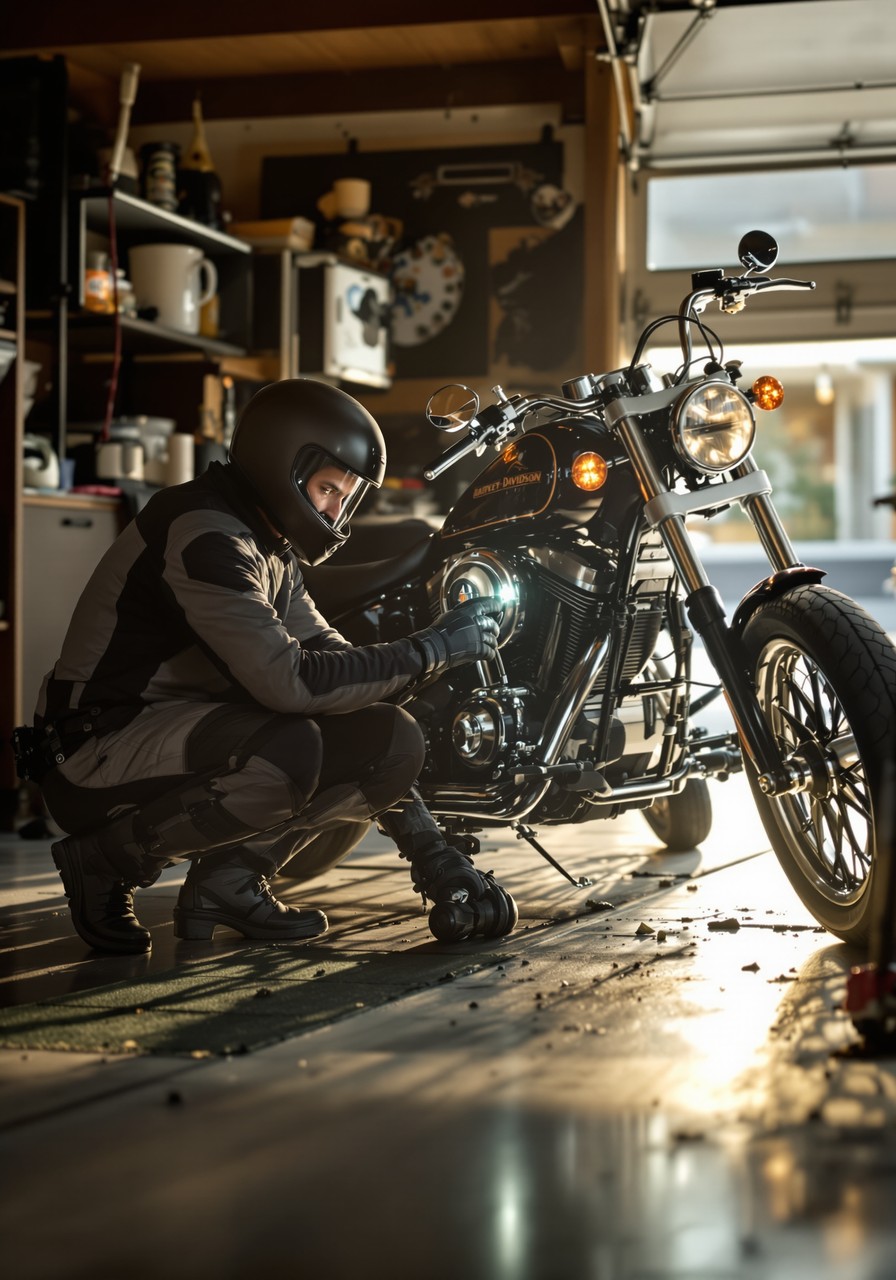
Short days ahead. Reflective tape on your jacket and helmet is a cheap way to be seen at dusk. #RideNationNY #GearUp #RiderTips
Safety & NY Law
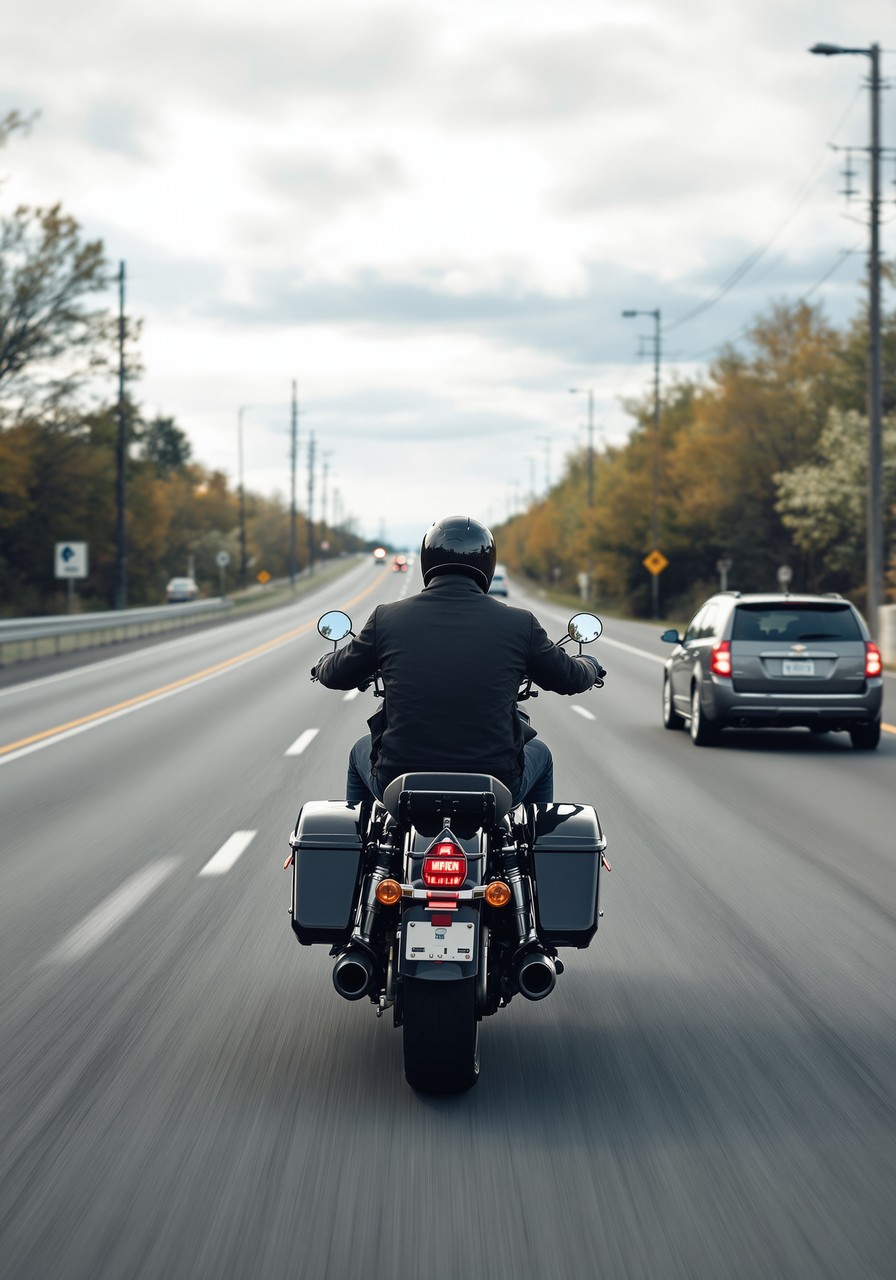
New York no-fault PIP does not cover motorcyclists. That makes your own health coverage and UM policy more important than most riders realize. #RideNationNY #RiderRights #WNYRiders
Engagement
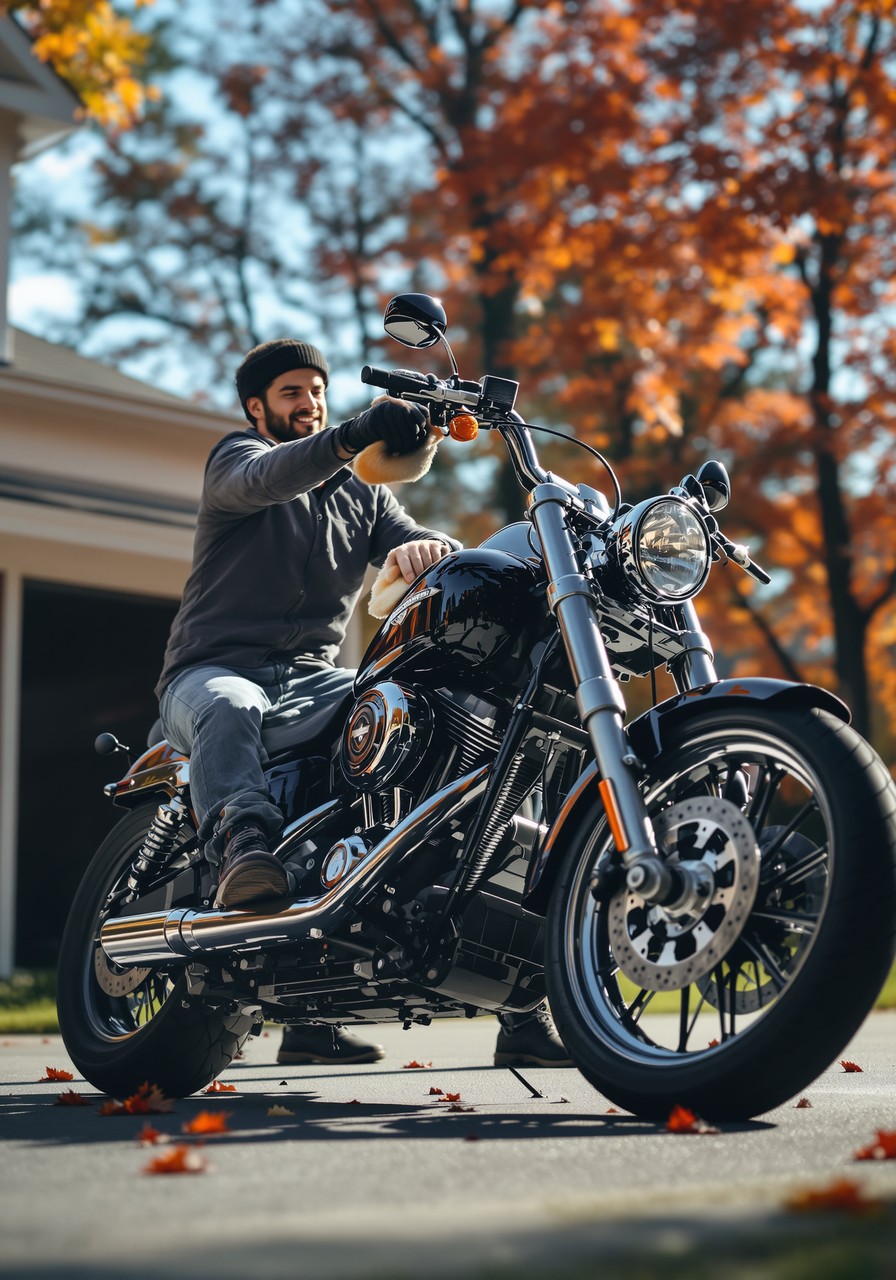
Who taught you to ride? Give them a shout in the comments today. #RideNationNY #RideOrDie #WNYRiders
Giveaway & Countdown
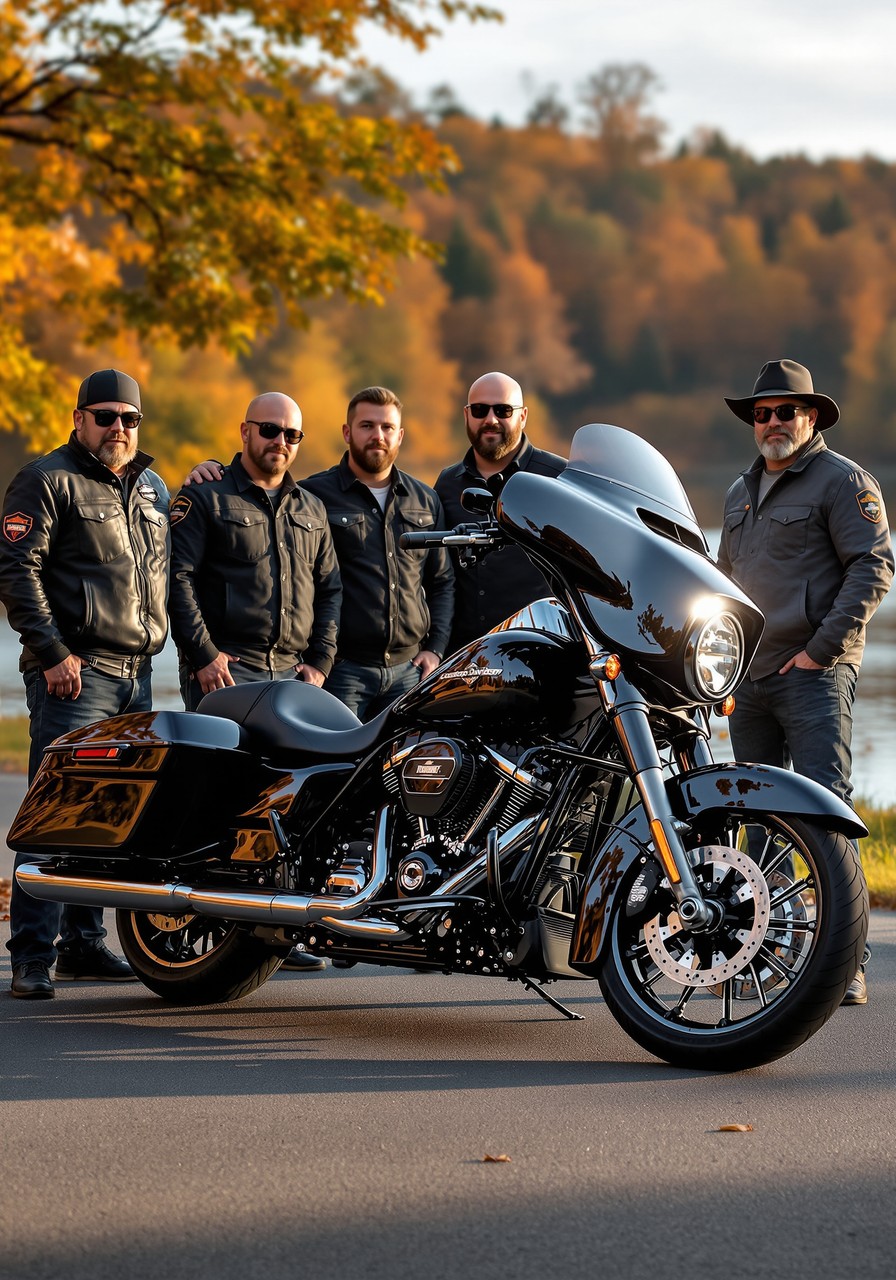
Big prize, easy entry, zero cost. That's the BikersWin motorcycle giveaway in a nutshell. #RideNationNY #BikersWin #MotorcycleGiveaway #NewYorkRiders
Local NY & Rides
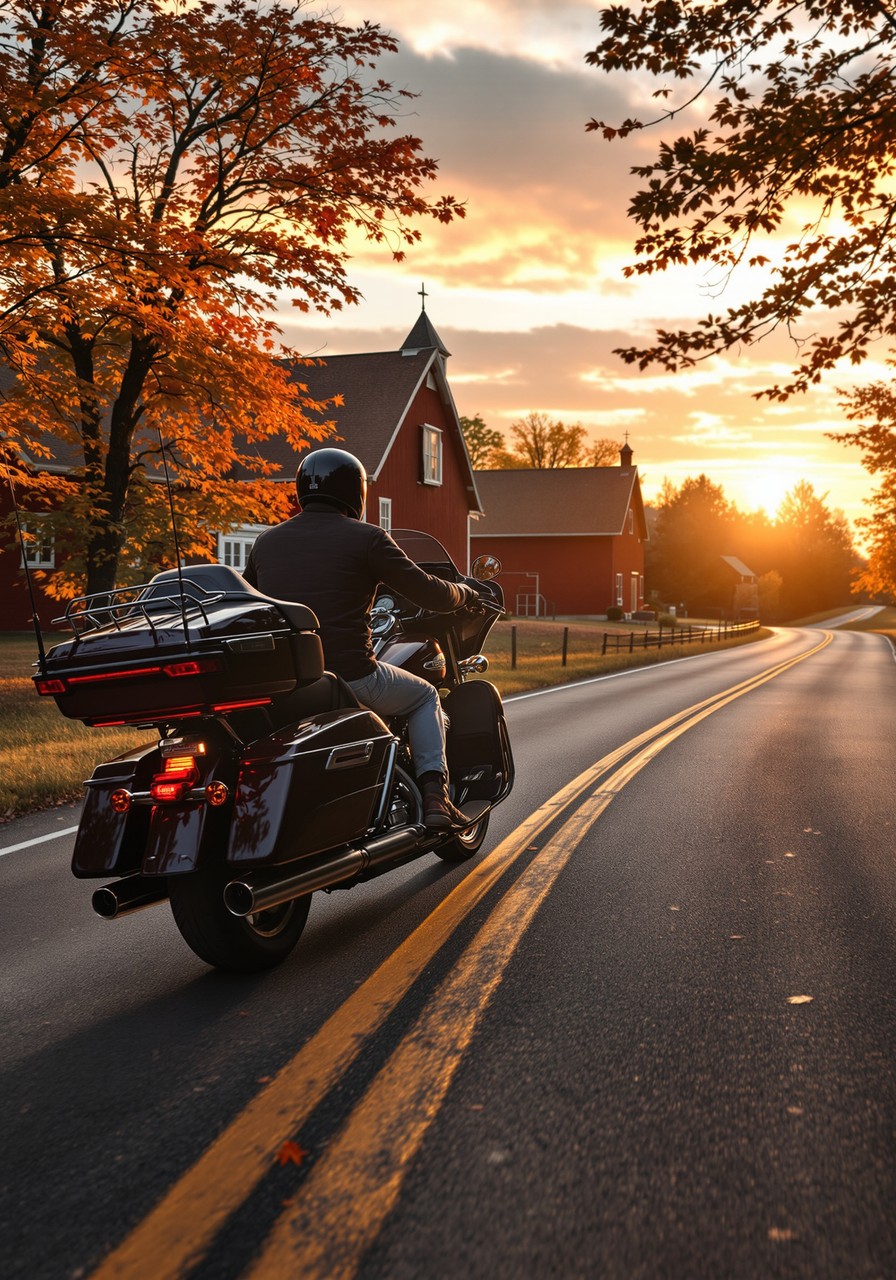
Snow tires don't exist for bikes. When Buffalo gets the first real lake-effect band, it's time to call the riding season and start the winter checklist. #RideNationNY #BuffaloRiders #WNYRiders
Gear & New Iron
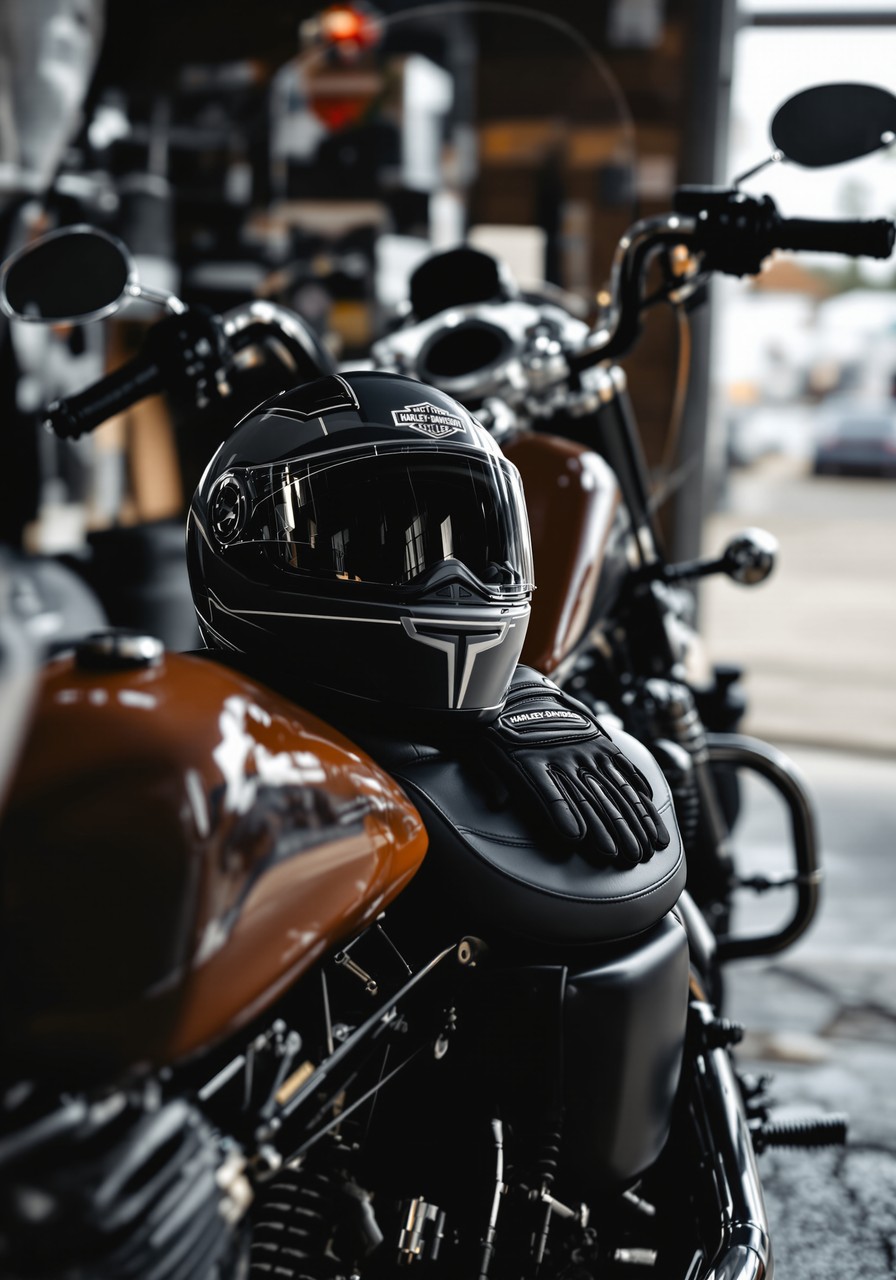
Spring checklist: tires, brakes, chain, fluids, lights, battery. Ten minutes in the garage beats a breakdown on the 90. #RideNationNY #MotorcycleMaintenance #BuffaloRiders
Safety & NY Law
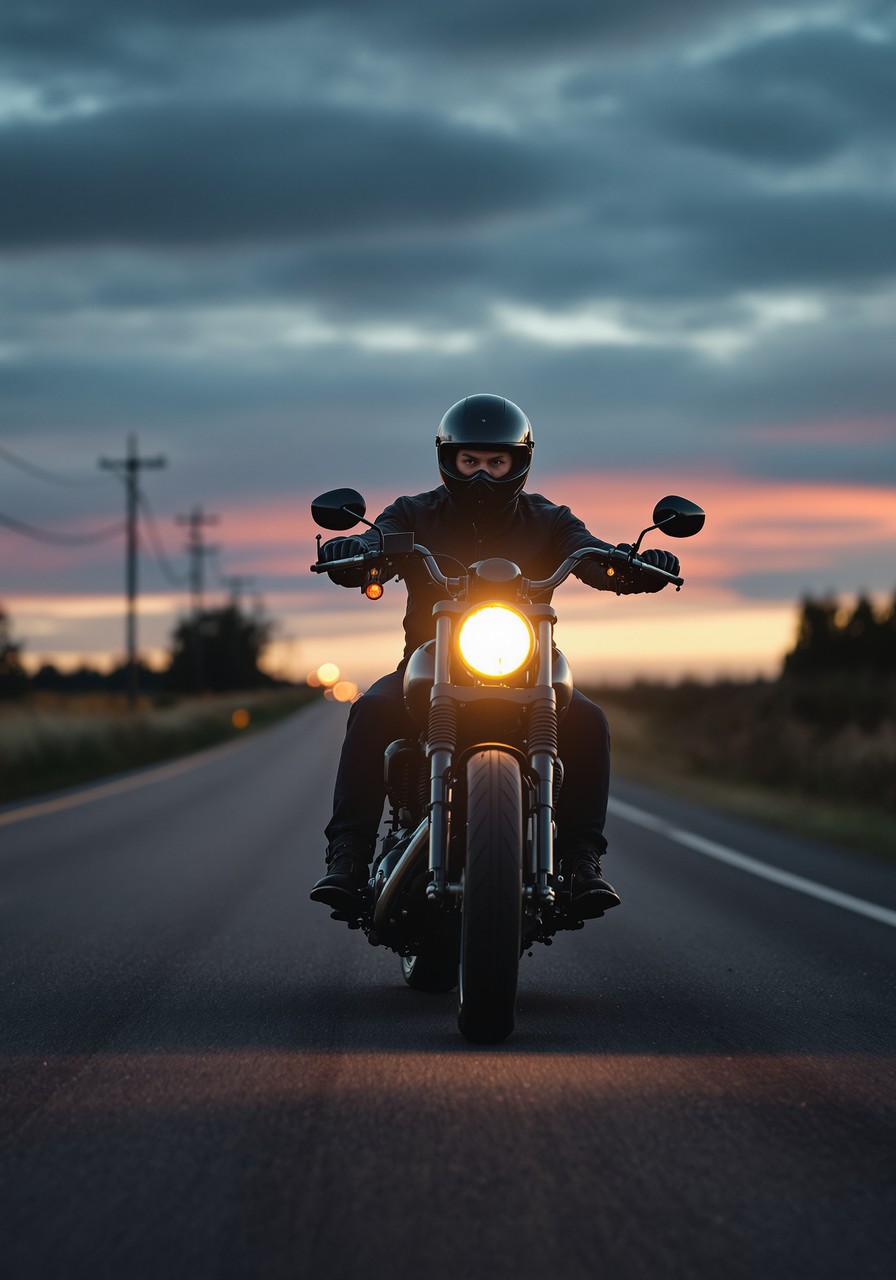
Make yourself easy to see. Bright gear, a reflective vest at dusk and a headlight on, always. #RideNationNY #MotorcycleSafety #ATGATT
Engagement
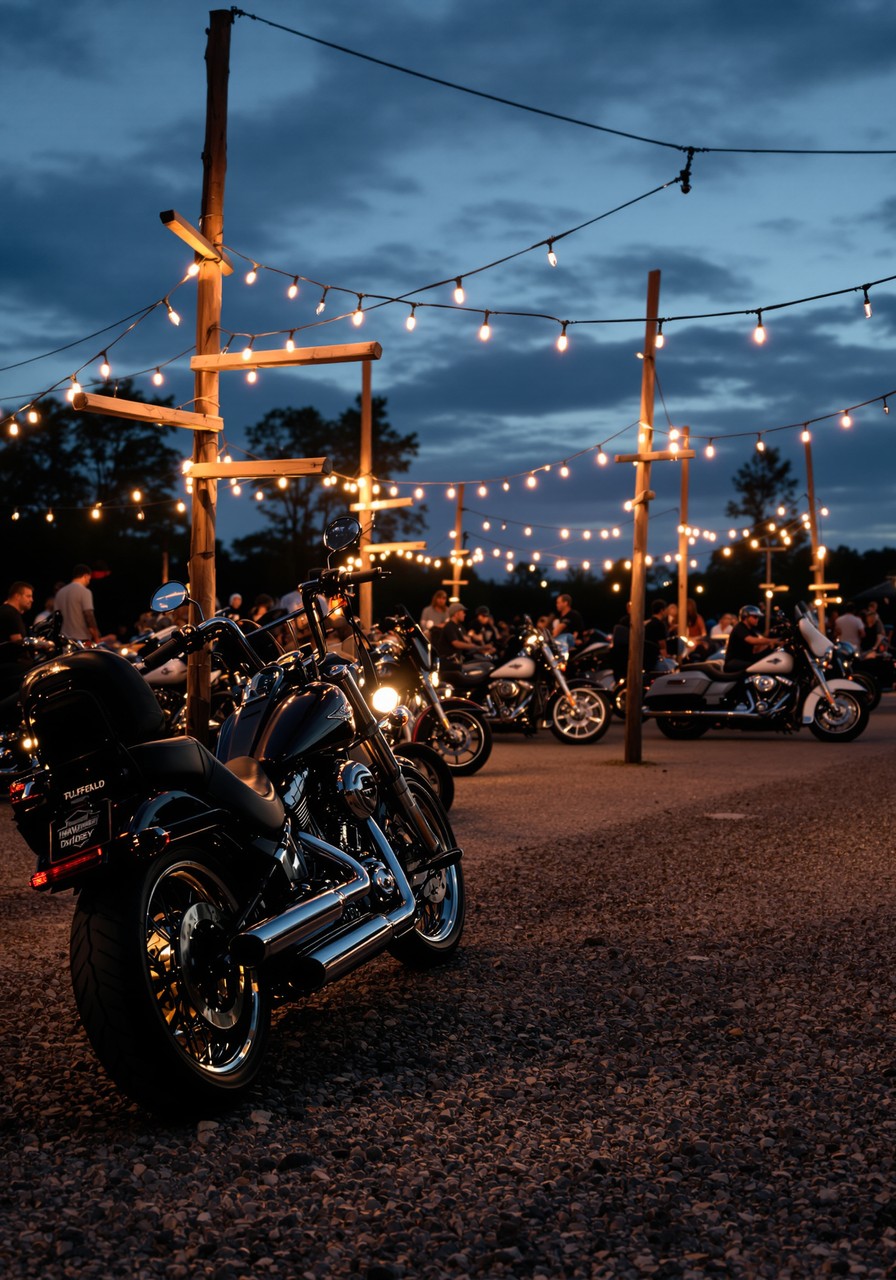
Pick your riding snack: beef on weck, wings, or a roadside ice cream cone. #RideNationNY #BuffaloRiders #TwoWheels
Giveaway & Countdown
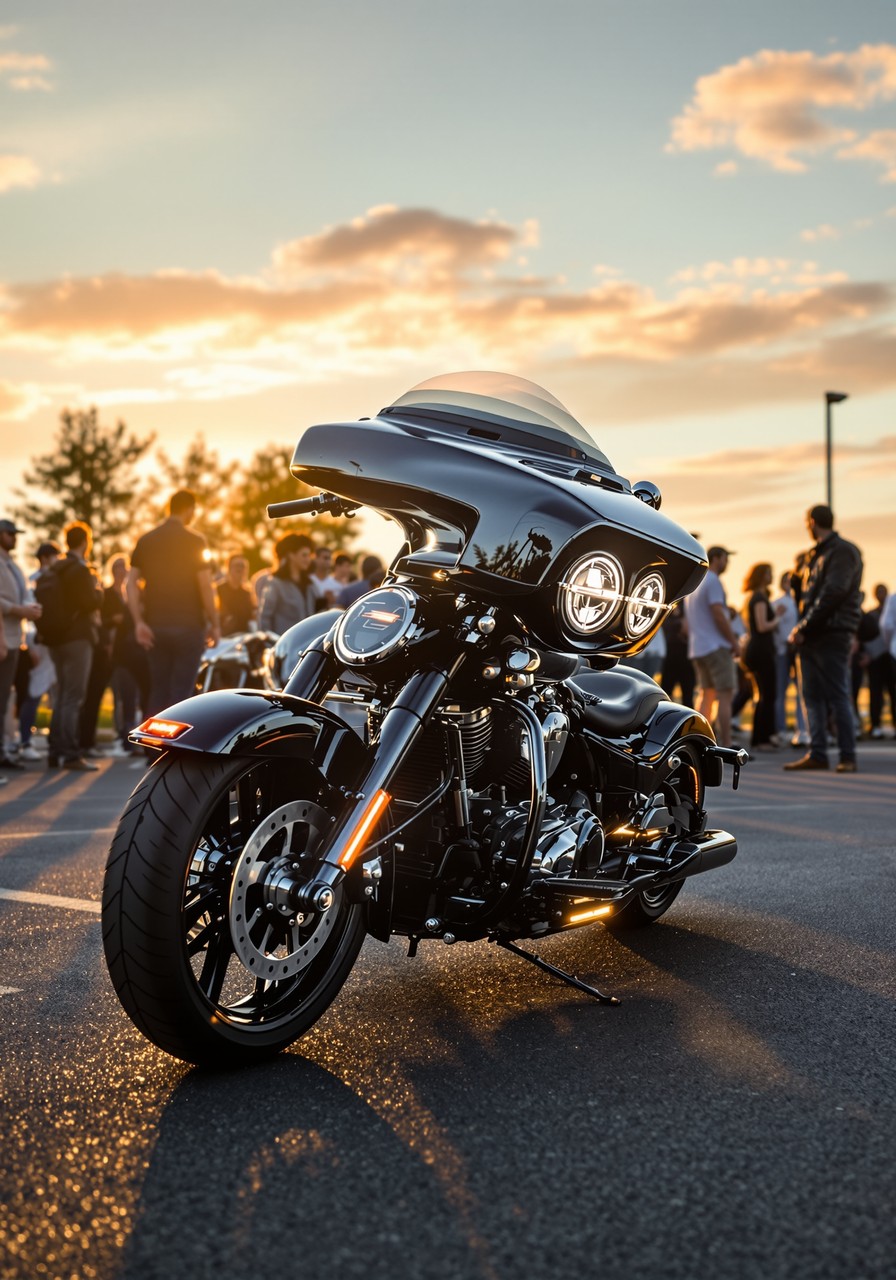
Share the giveaway, save a friend the scroll. One post from you could put another rider in the running. #RideNationNY #20kGiveaway #WNYRiders
Local NY & Rides
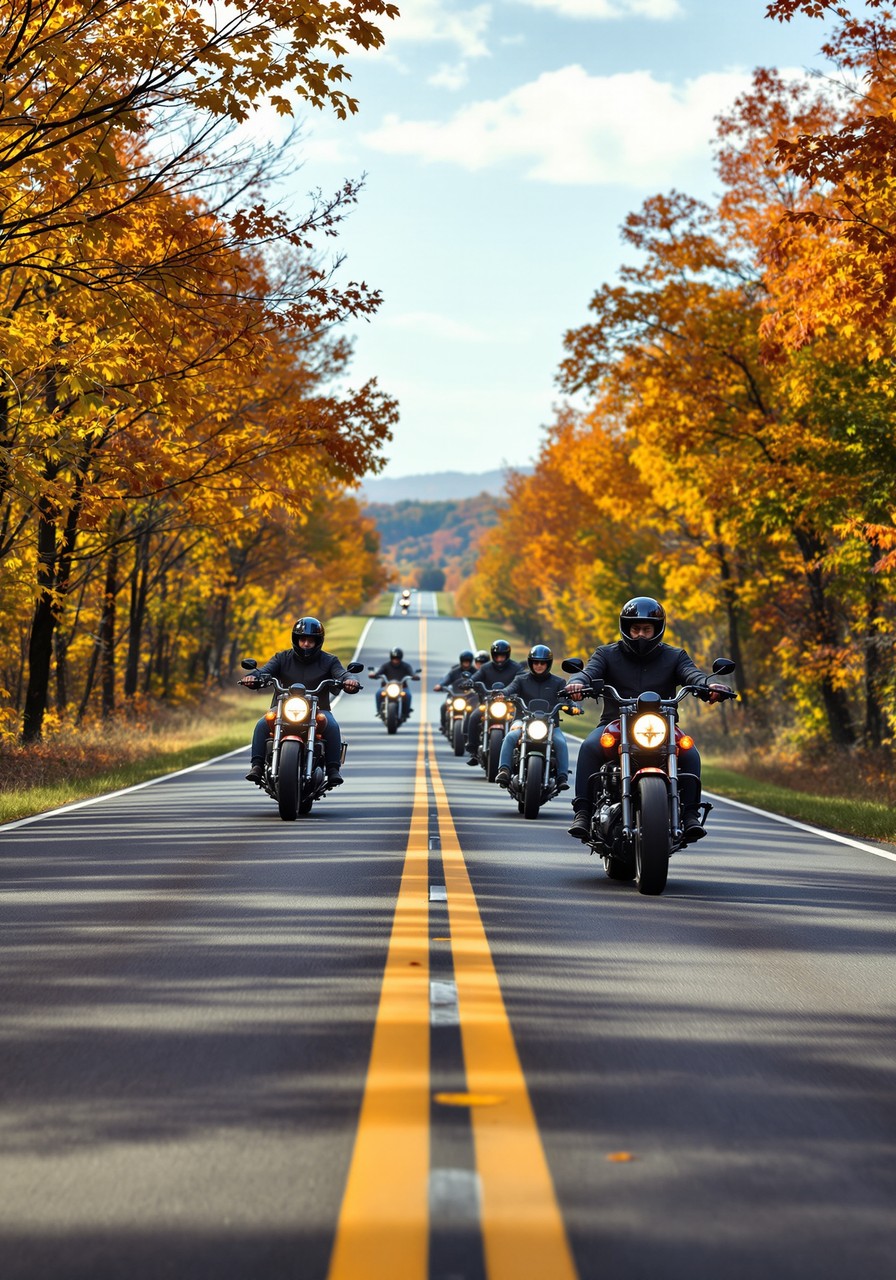
Ellicottville hills are best in early June, before the crowds and after the mud. Pick a Friday and go. #RideNationNY #Ellicottville #WNYRiders #MotorcycleRoads
Gear & New Iron
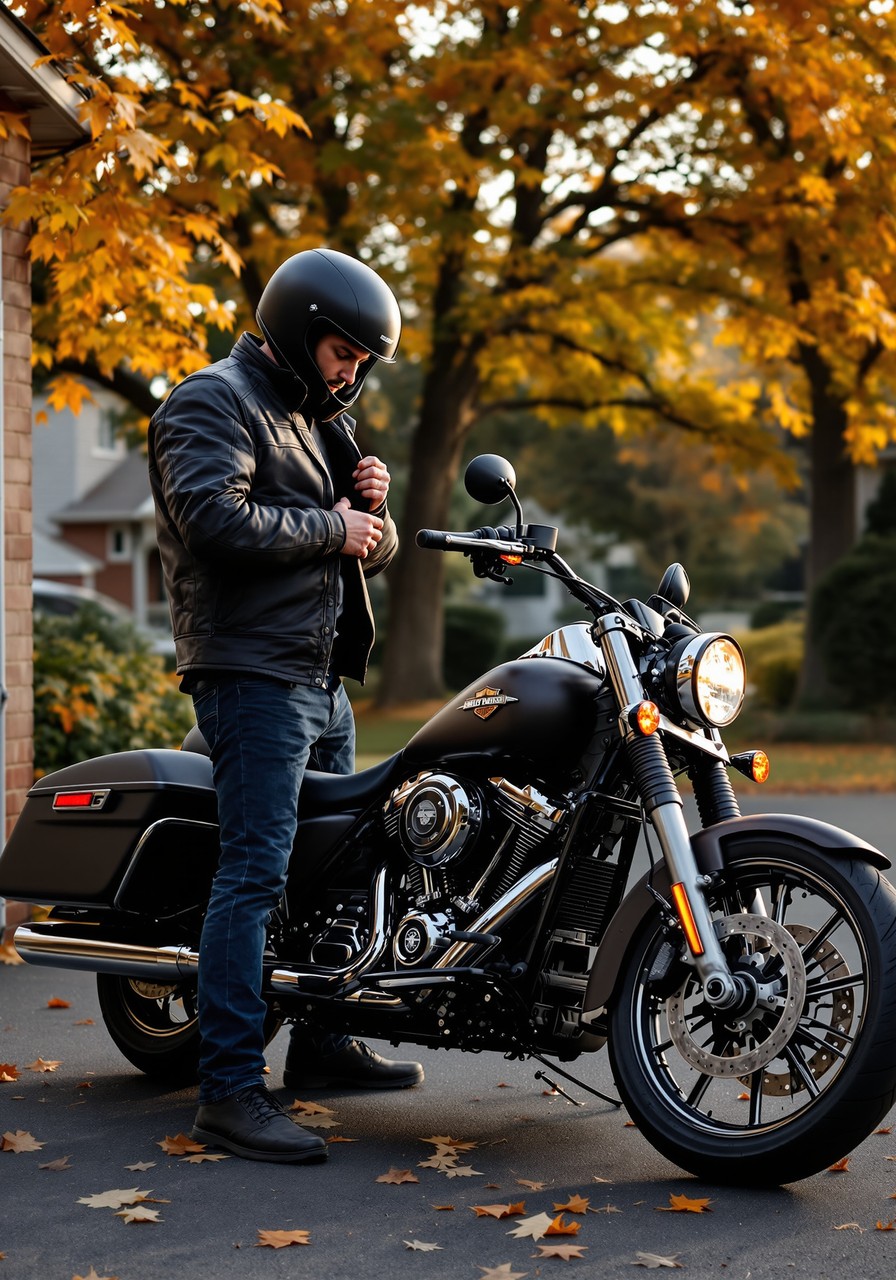
Uncovering the bike after storage? Check for rodent nests in the airbox and exhaust before you hit the starter. #RideNationNY #MotorcycleMaintenance #RiderTips
Safety & NY Law
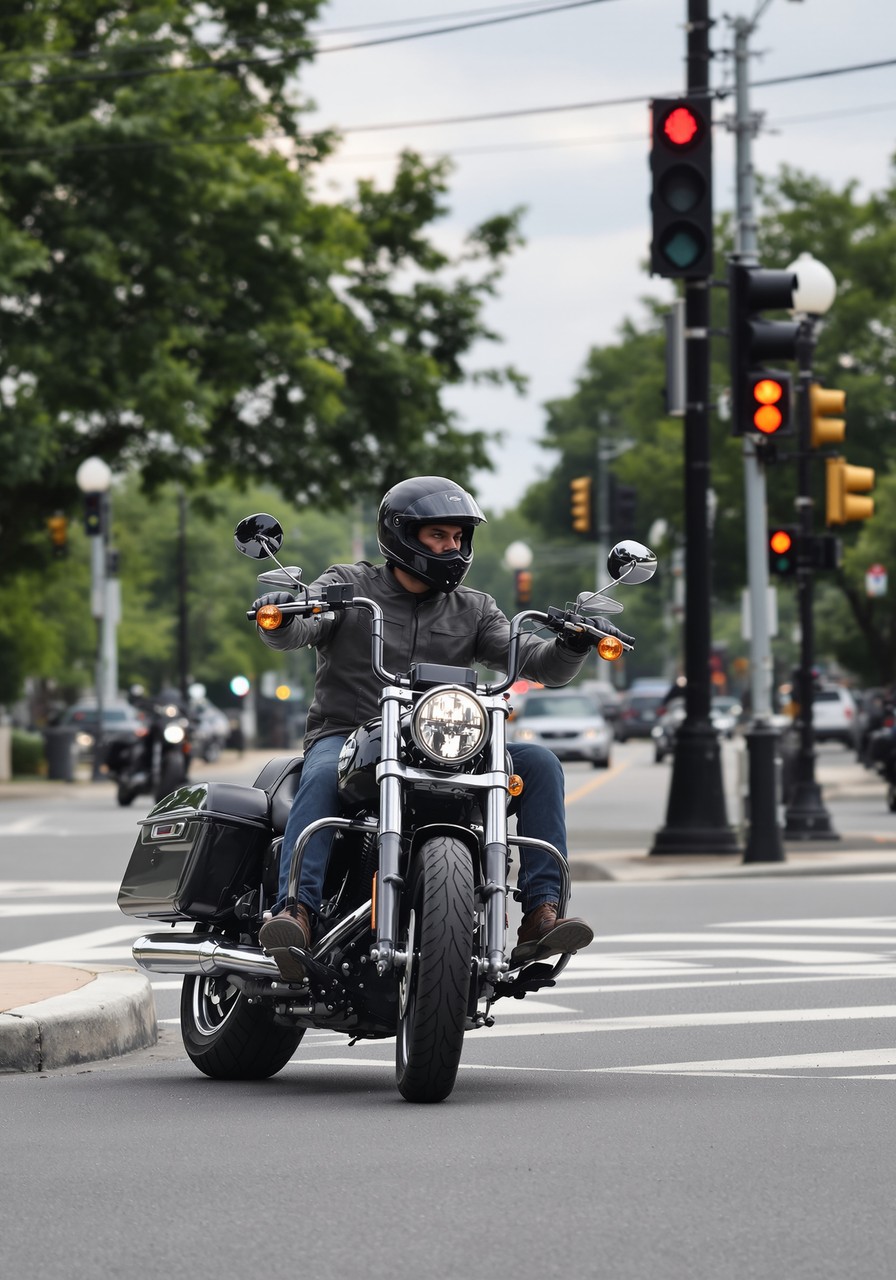
Minimum liability limits in New York are 25/50/10. If the driver who hit you carries only that, UM coverage on your own policy can matter a lot. #RideNationNY #KnowYourRights #NewYorkRiders
Engagement
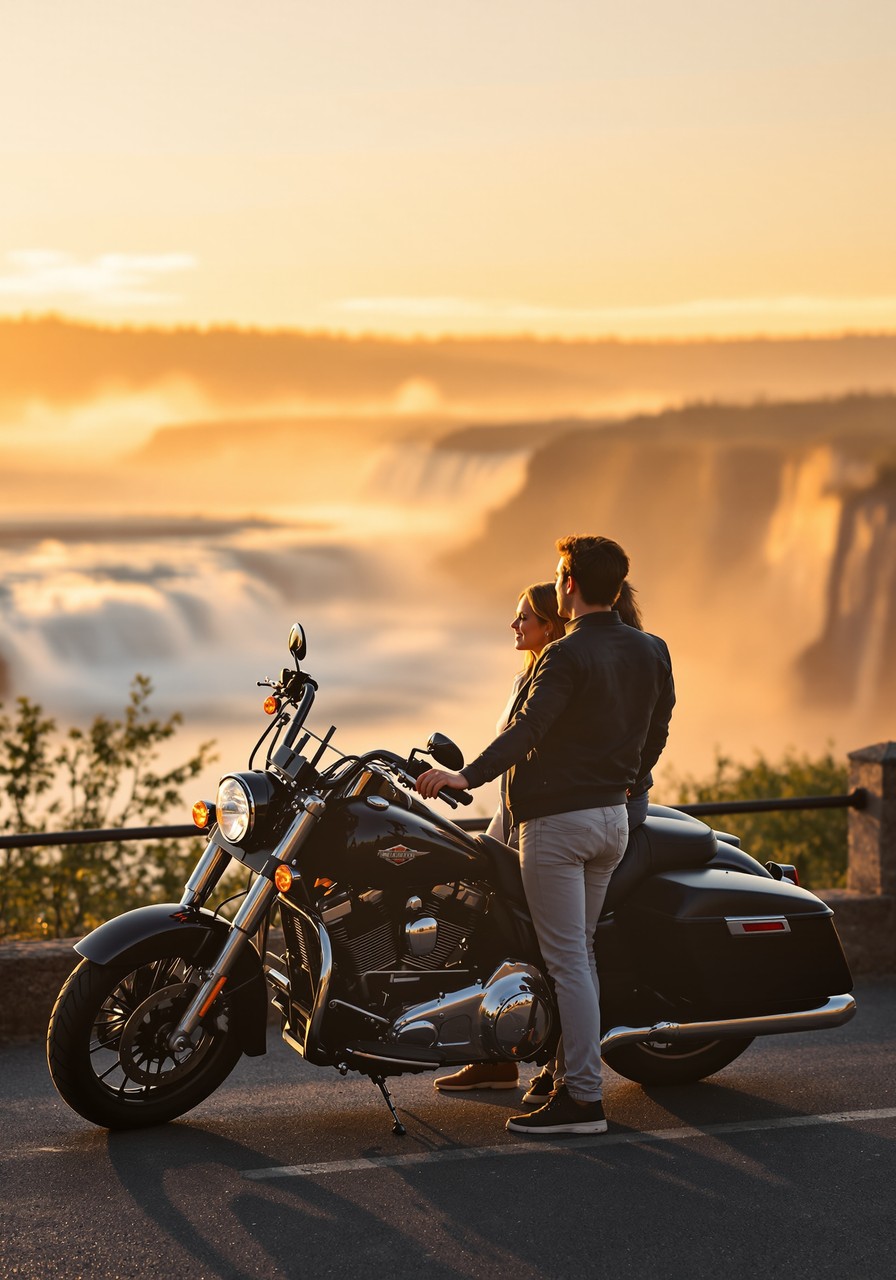
Where is the one spot in WNY you would take a first-time rider for a scenic loop? #RideNationNY #Letchworth #WNYRiders
Giveaway & Countdown
Want in on the $20,000 giveaway? Talk to us about your claim, it's a free case review. (716) 333-0043 is the number. #RideNationNY #BikersWin #BuffaloRiders #WNYRiders
Local NY & Rides
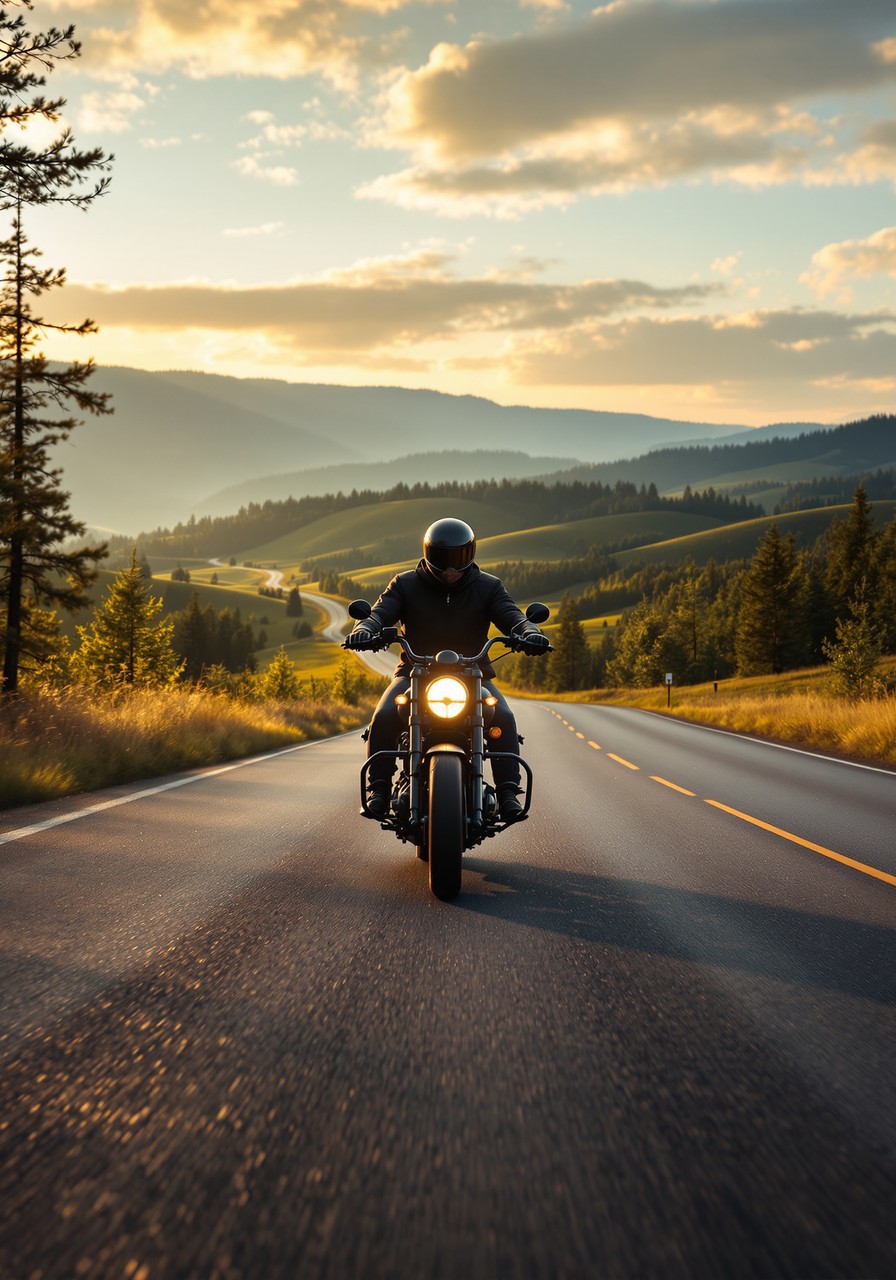
Rain on a steel-grate deck plus a lean angle is a bad combo. Straighten up on the grating, then get back to your line after. #RideNationNY #BuffaloRiders #NewYorkRiders
Gear & New Iron
Riding gloves need a fit check too. Seams should not press on your fingers and the wrist strap should stay snug. #RideNationNY #GearUp #ATGATT
Safety & NY Law
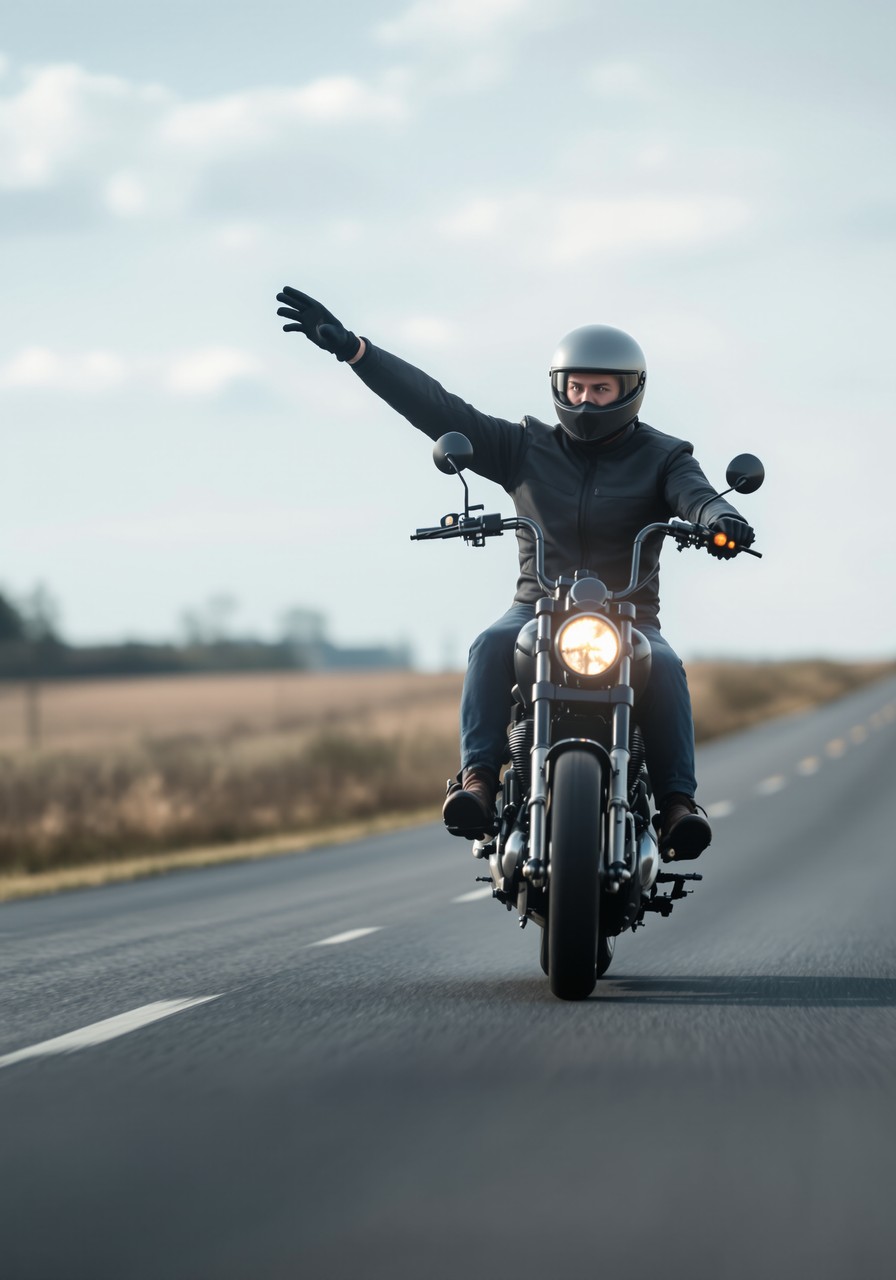
After a crash: get medical care, photograph everything, collect witness info. Free case review anytime at 866nicotra.com. #RideNationNY #RiderRights #BuffaloRiders
Engagement
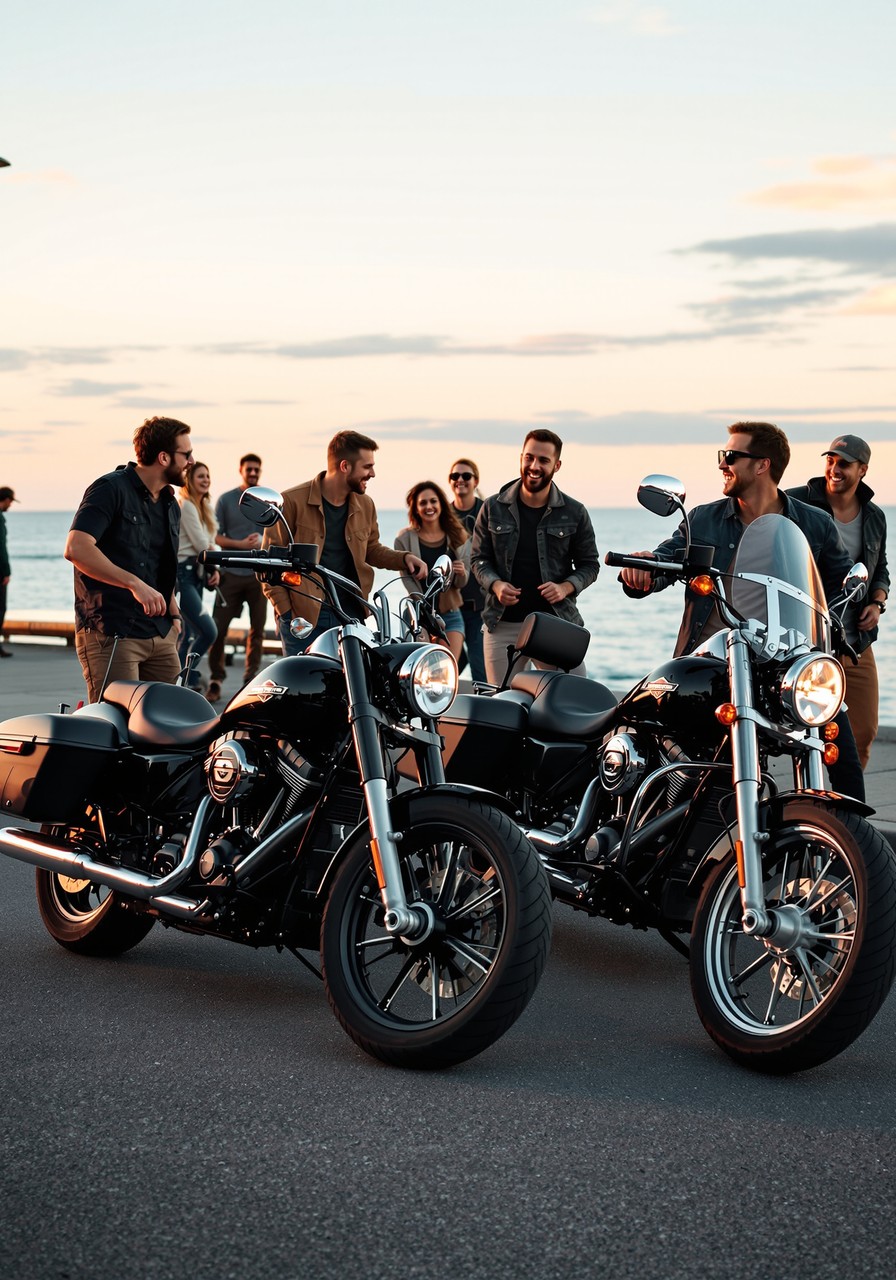
Bills game or bike ride on a perfect Sunday? Be honest. #RideNationNY #BuffaloRiders #NewYorkRiders
Giveaway & Countdown
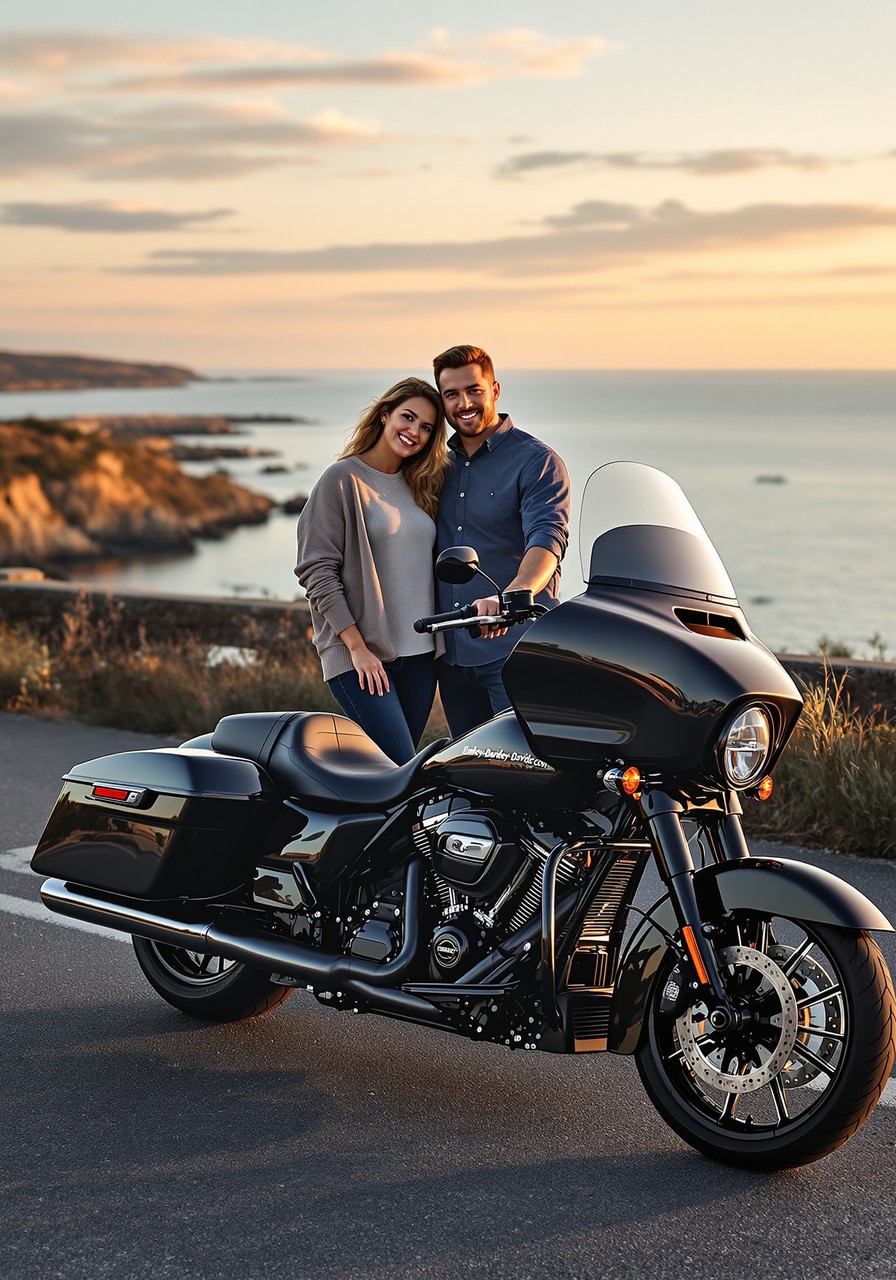
Somewhere in Western New York, a rider is about to get great news. Keep spreading the word so it's someone from our community. #RideNationNY #MotorcycleGiveaway #WNYRiders
Local NY & Rides
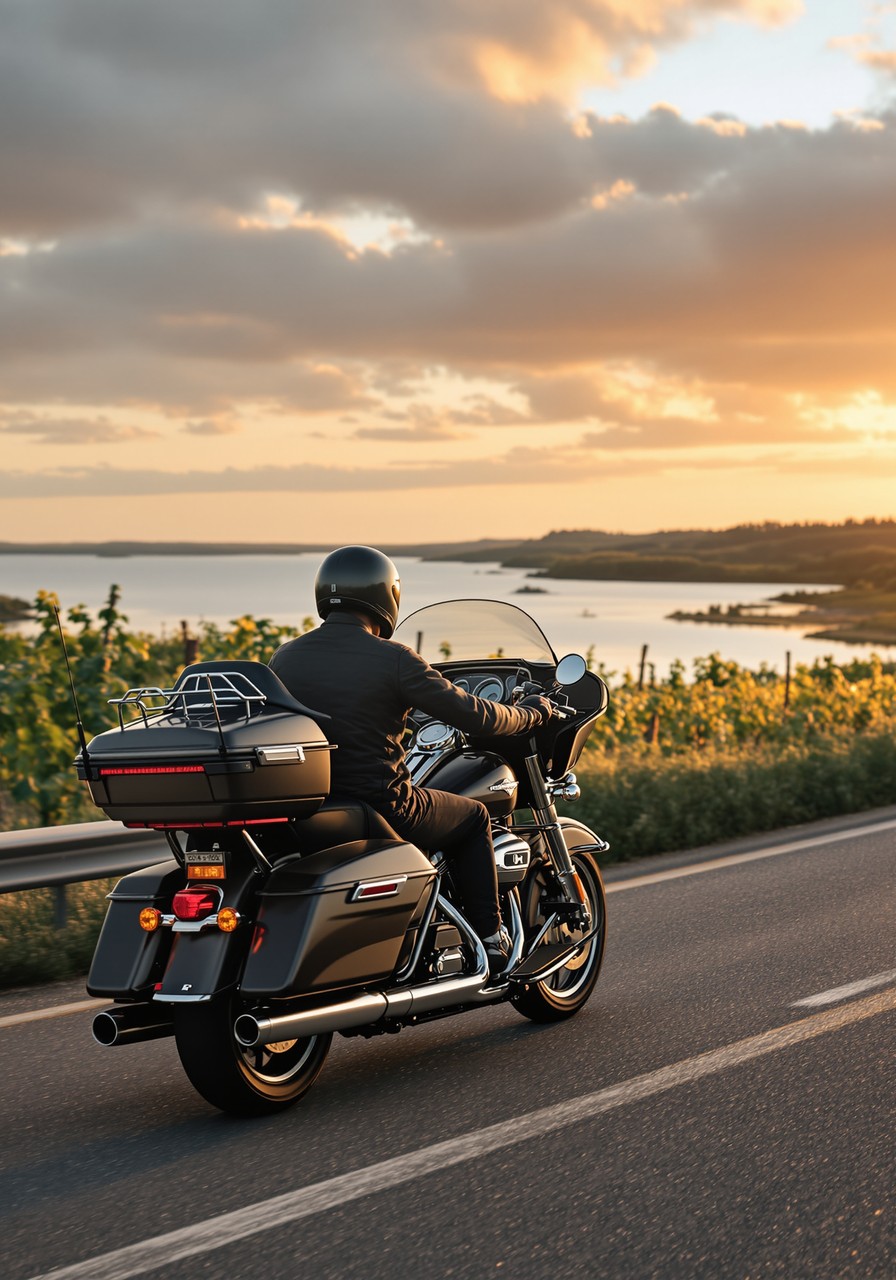
Zoar Valley is remote, so tell someone your route and pack water. Cell service drops fast in the gorge. #RideNationNY #WNYRiders #NewYorkRiders #MotorcycleRoads
Gear & New Iron
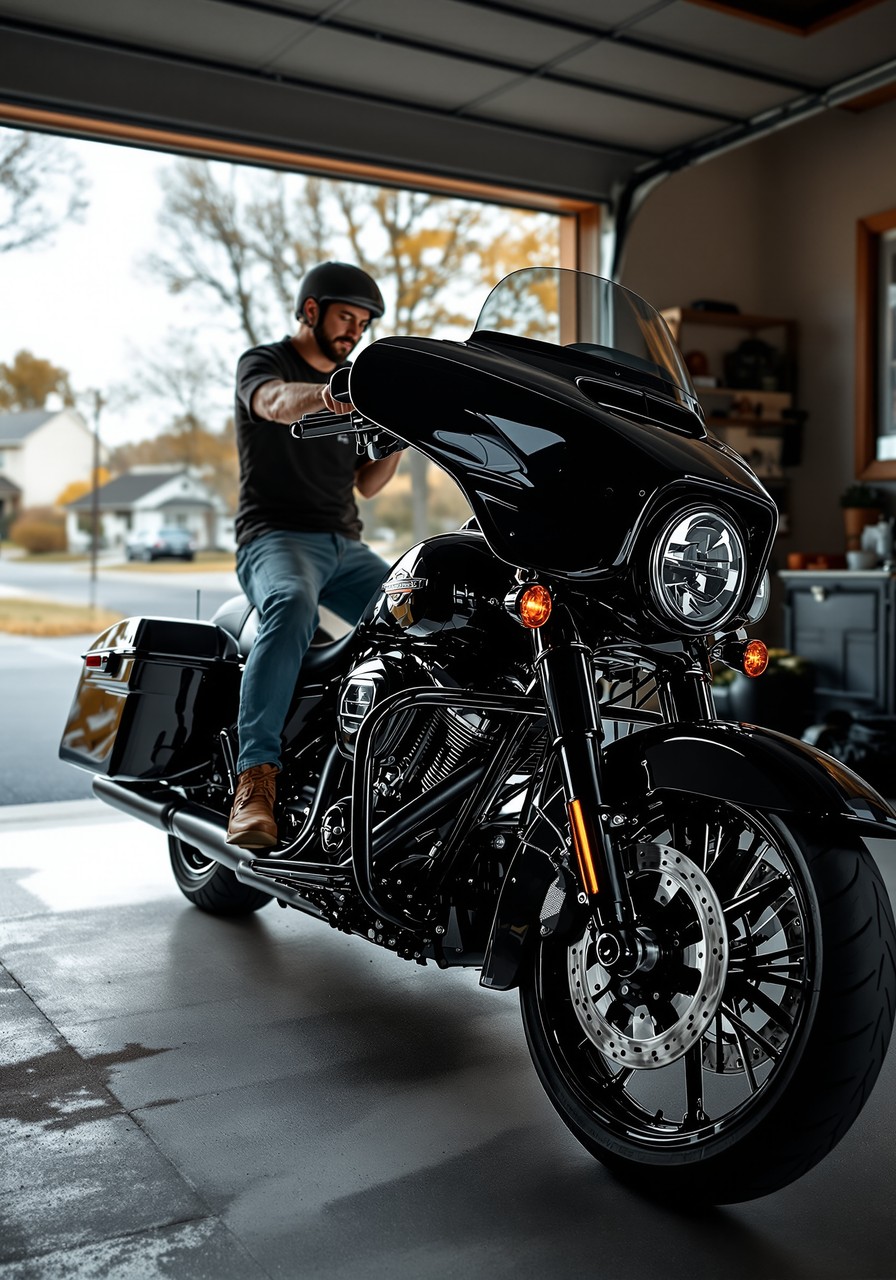
Thinking about new iron this year? Sit on it, check the reach to the bars, and make sure your feet plant comfortably. #RideNationNY #NewIron #BikerLife
Safety & NY Law
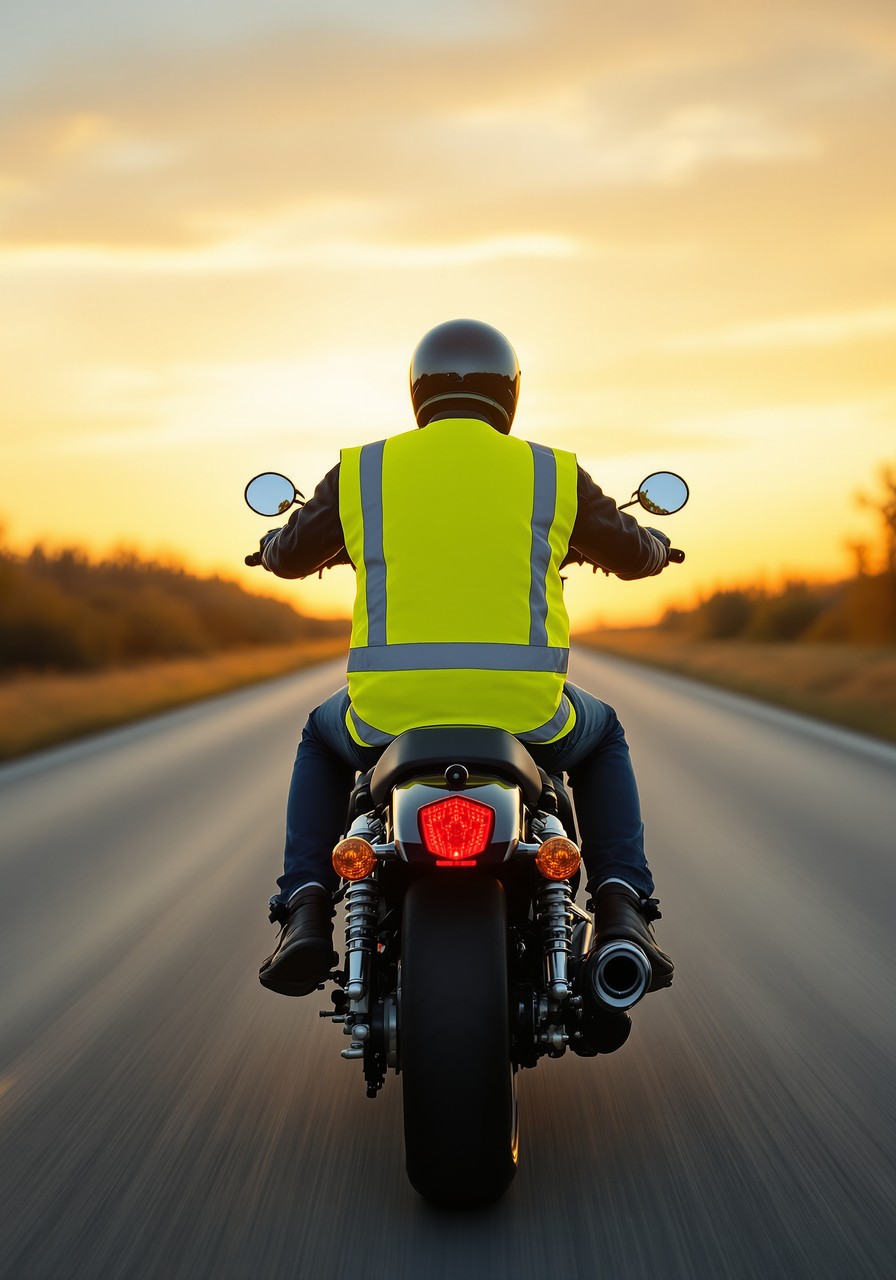
Following distance is your buffer. Give at least a four-second gap on wet Buffalo roads. #RideNationNY #MotorcycleSafety #WNYRiders
Engagement
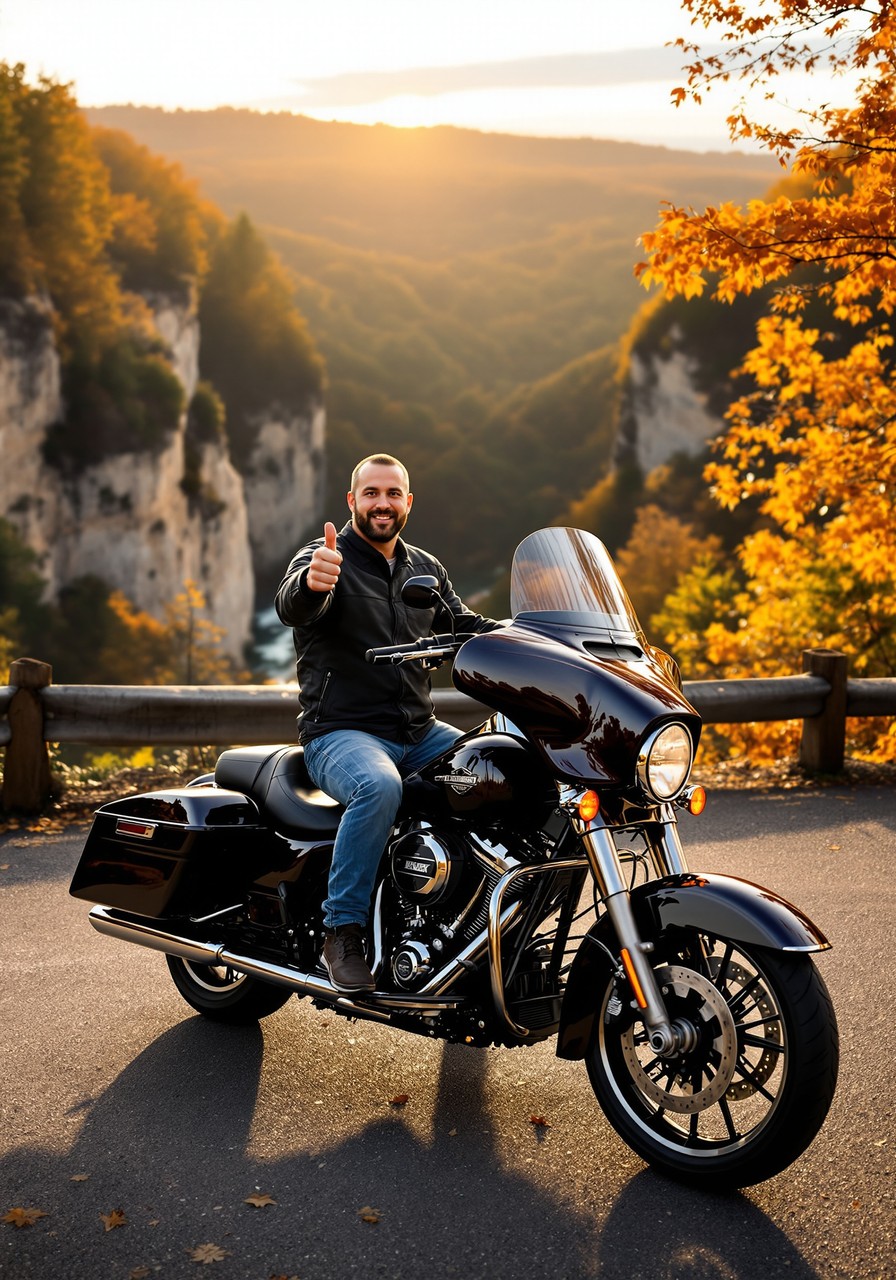
Post your dream spring ride list. Three stops, no more. #RideNationNY #Ellicottville #Letchworth #TwoWheels
Giveaway & Countdown
Another day, another step toward the $20K giveaway finale. Stay tuned, Ride Nation. #RideNationNY #20kGiveaway #BikersWin #NewYorkRiders
Local NY & Rides
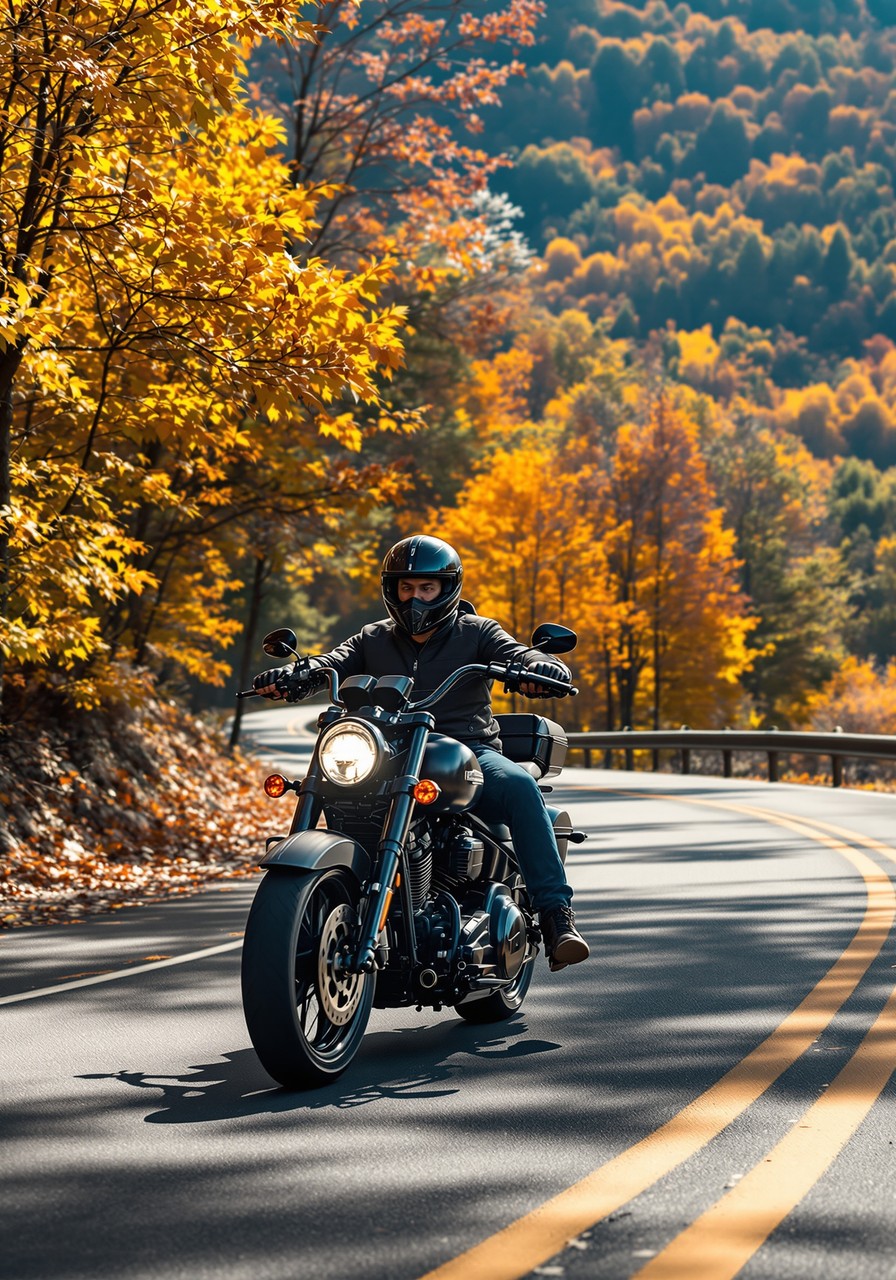
Sunday ride along the lake, Route 5 to Dunkirk and back. Cool breeze, big sky, and the road mostly to yourself. #RideNationNY #LakeErie #BuffaloRiders #MotorcycleRoads
Gear & New Iron
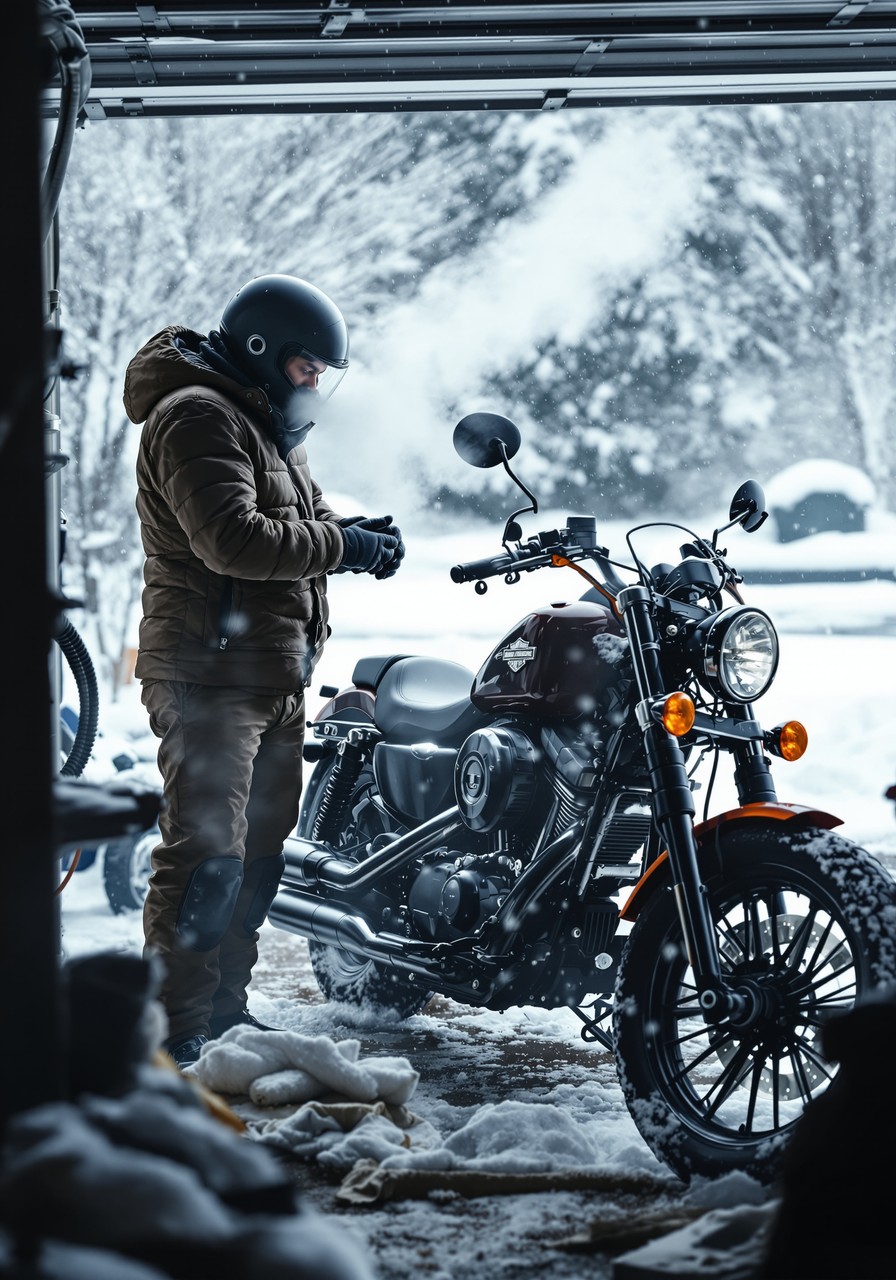
New bike day is the best day. Before the first ride, check tire pressures and get the controls adjusted to your hands. #RideNationNY #NewIron #RiderTips
Safety & NY Law
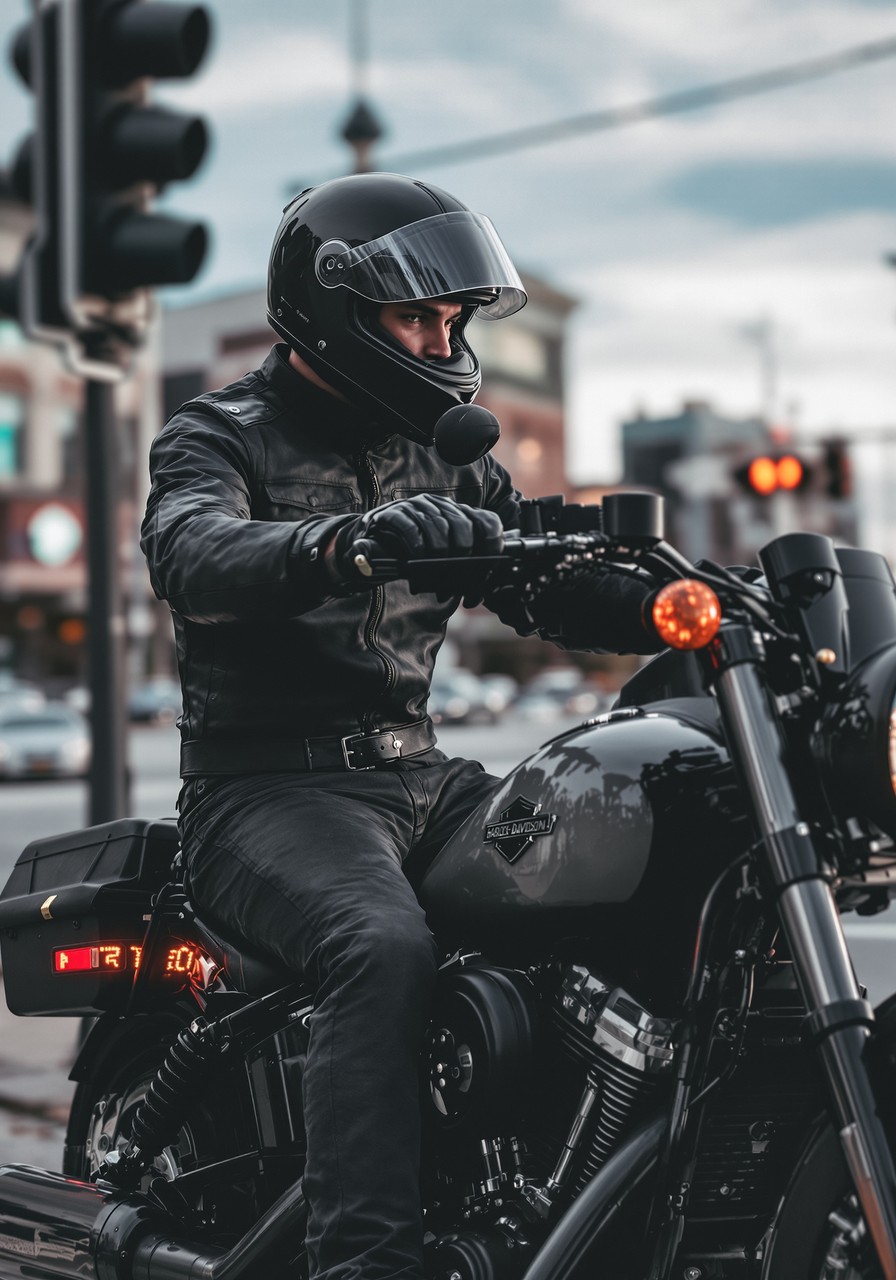
Insurers may say you share the blame. In New York that only trims your recovery, it does not wipe it out. Know that before you talk to anyone. #RideNationNY #RiderRights #KnowYourRights
Engagement
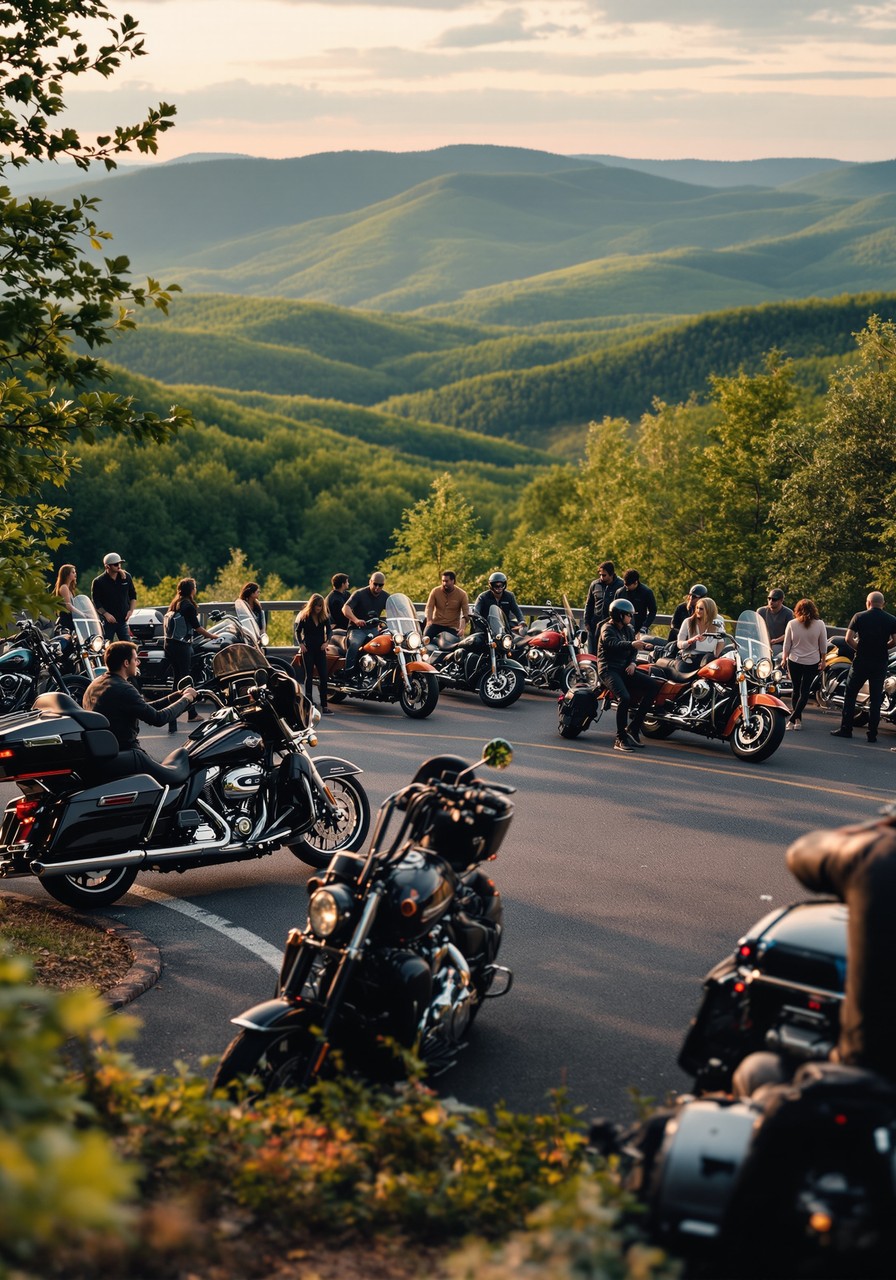
Tag your winter garage buddy. The one who brings the tools, the snacks, and the opinions. #RideNationNY #RideOrDie #BuffaloRiders
Giveaway & Countdown
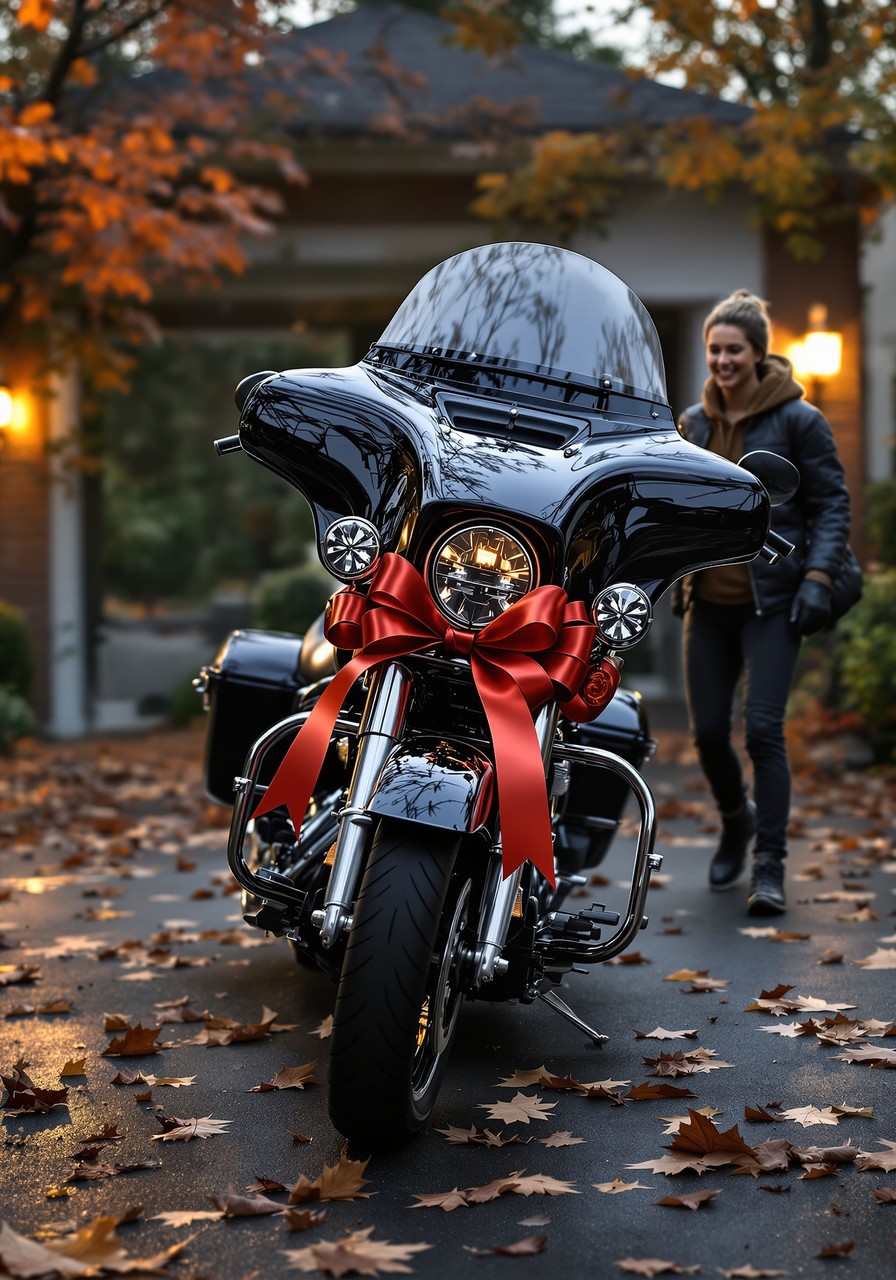
Riders, one call is all it takes to ask about the giveaway. The Nicotra Law Firm, (716) 333-0043. Free, friendly, no strings on entry. #RideNationNY #BikersWin #NewYorkRiders
Local NY & Rides
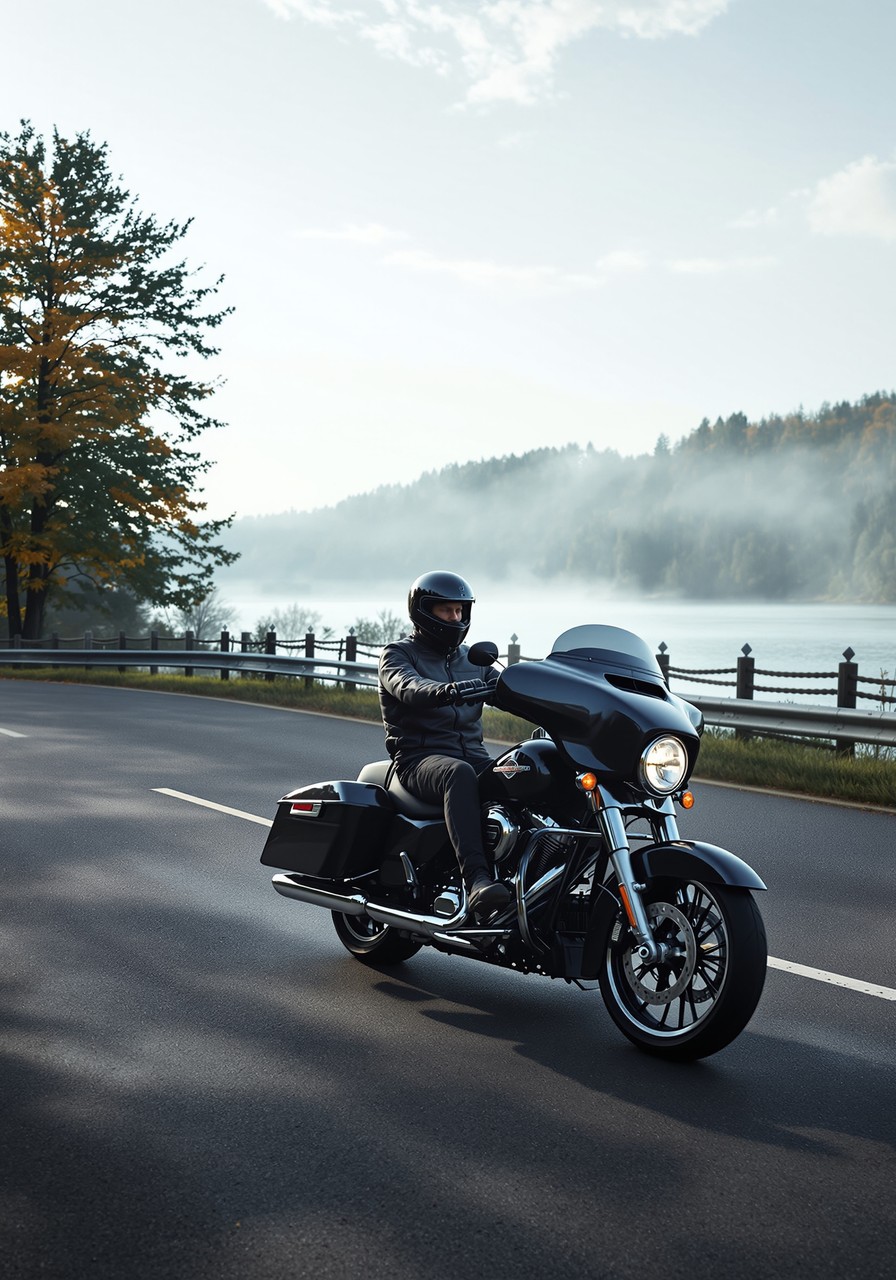
Shoulder season is a gamble in Buffalo: sunny at noon, slick by 5. Plan to be home before the temperature drops. #RideNationNY #BuffaloRiders #WNYRiders
Gear & New Iron
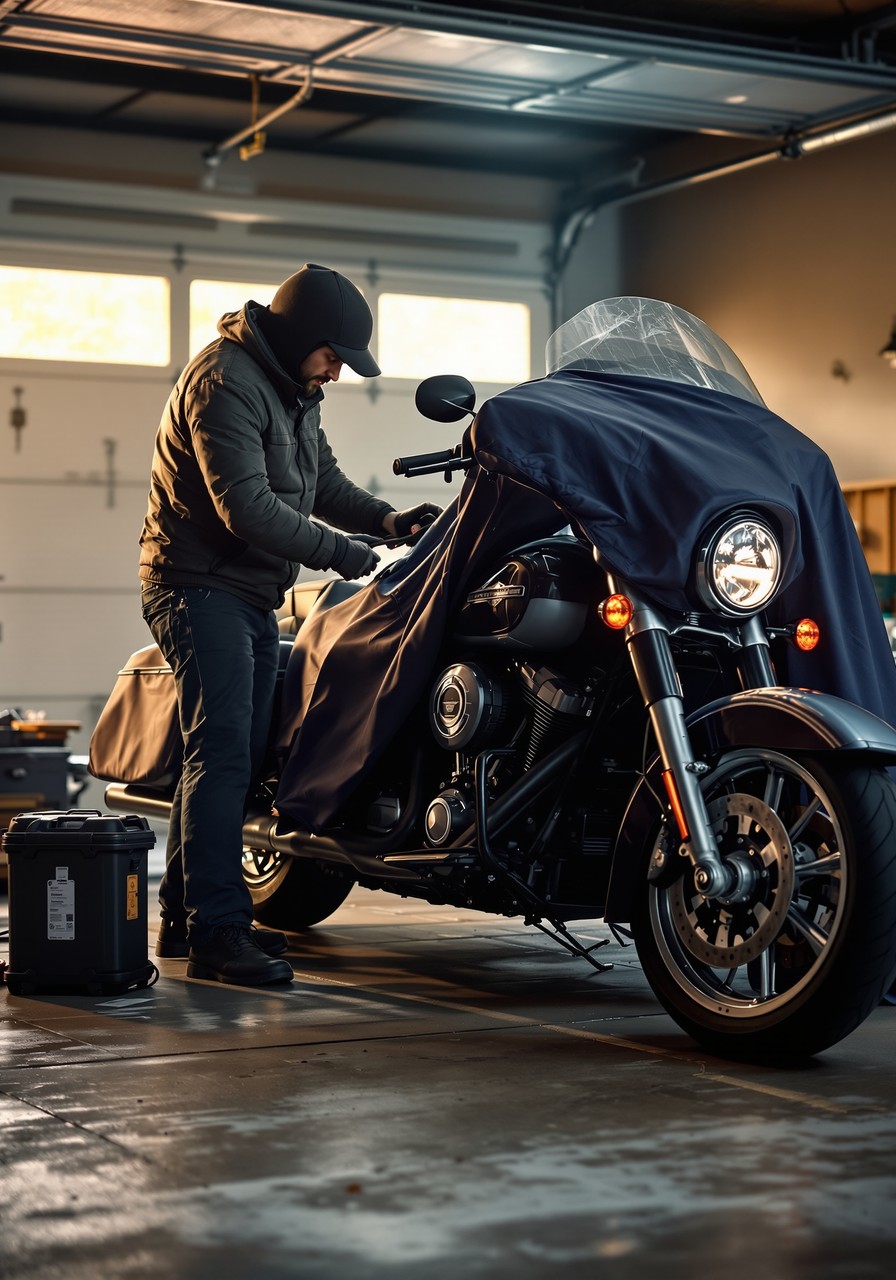
Used bike shopping? Look at the tire dates, the chain and any salt corrosion on the frame. Buffalo winters leave marks. #RideNationNY #NewIron #BuffaloRiders #RiderTips
Safety & NY Law
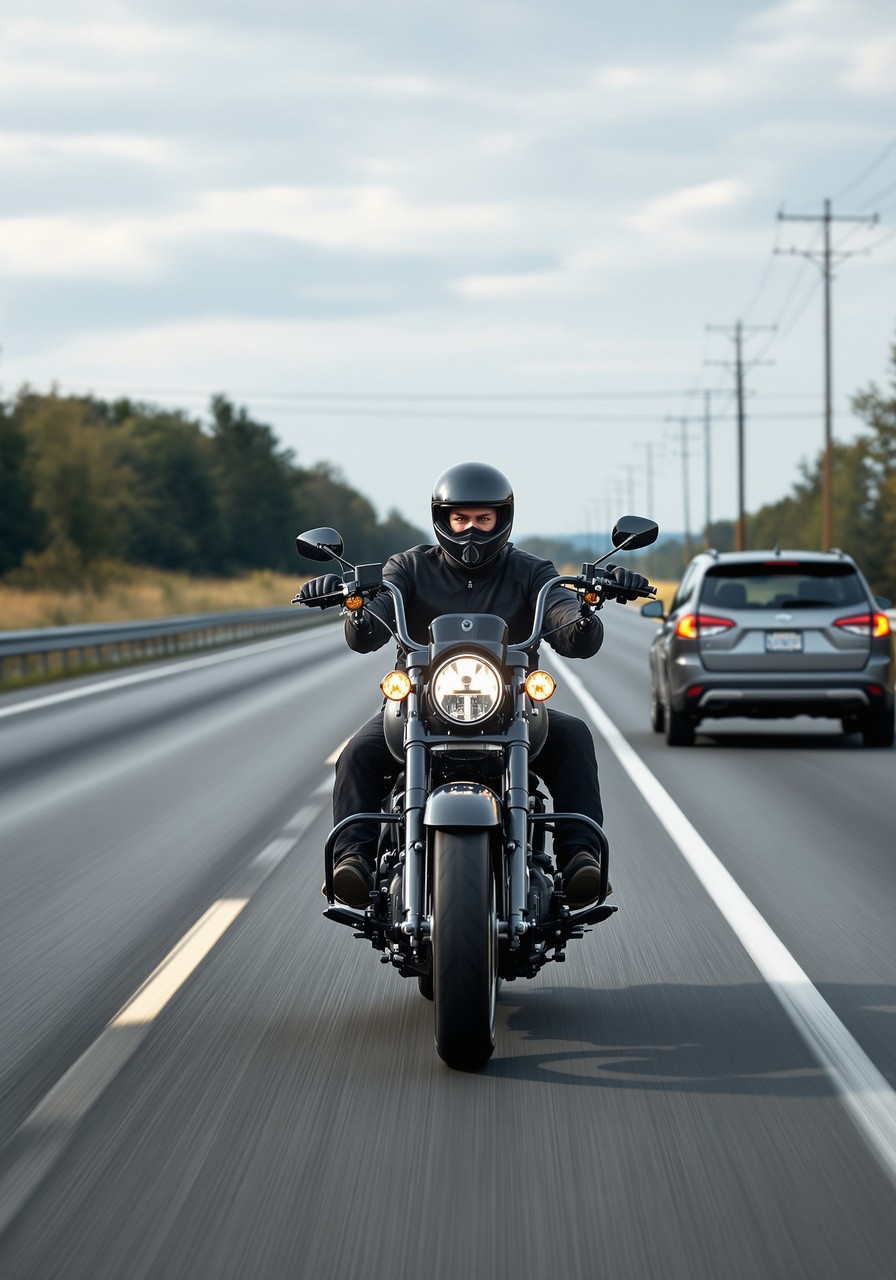
Road debris, sand and salt left over from winter hide in corners well into spring. Take turns slow early in the season. #RideNationNY #BuffaloRiders #MotorcycleSafety
Engagement
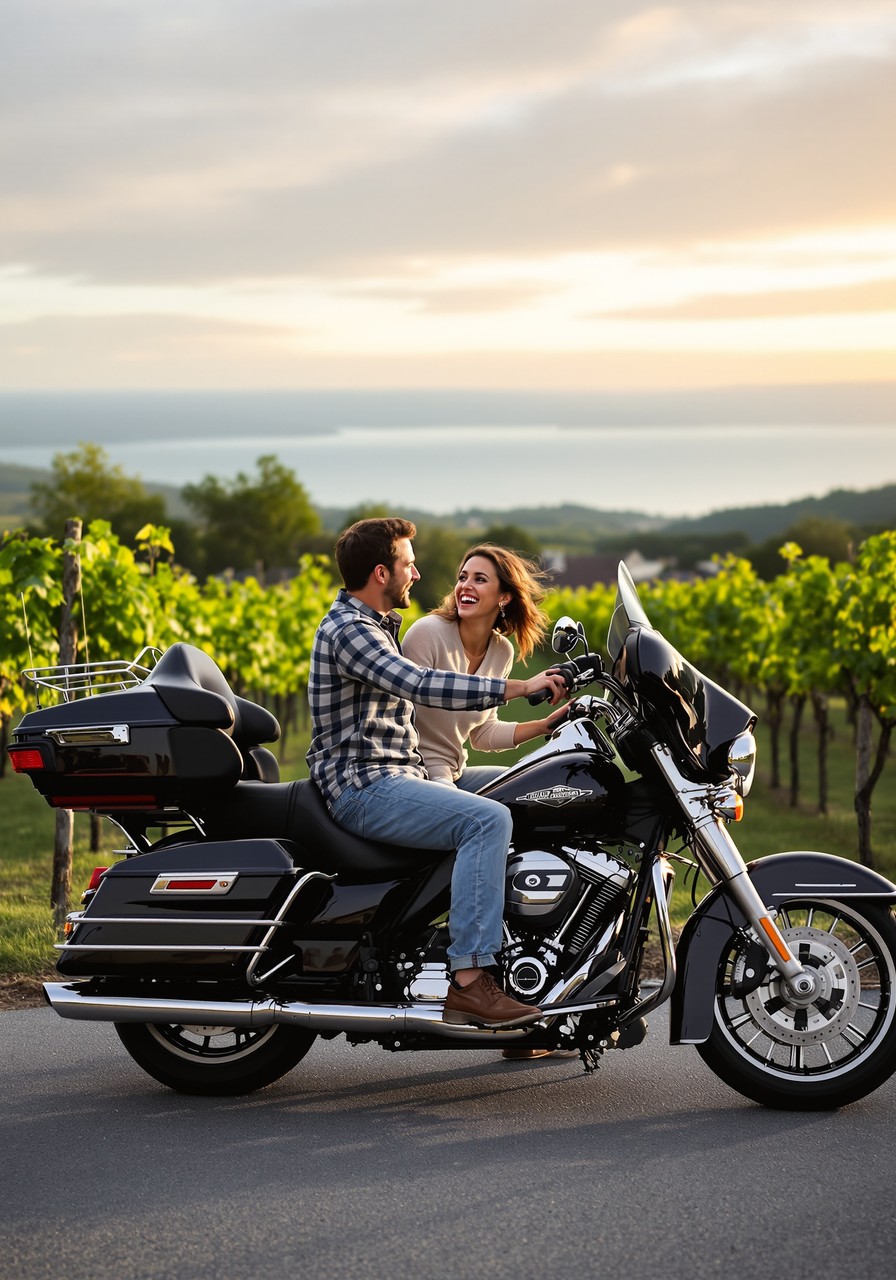
Happy layup season, Ride Nation. What is one thing you are looking forward to most when the roads clear? #RideNationNY #WNYRiders #LakeErie
Giveaway & Countdown
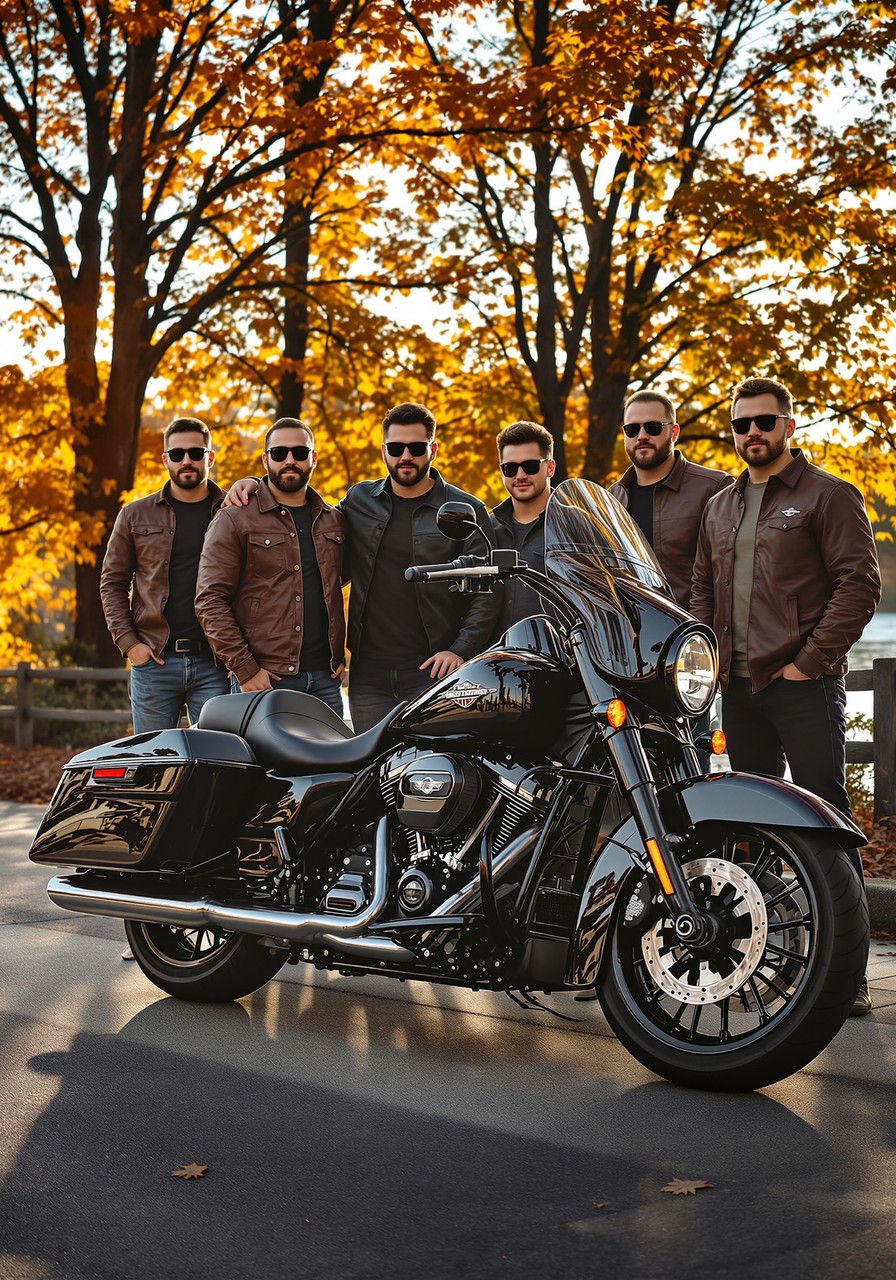
Your next ride could start with a phone call. Ask The Nicotra Law Firm about the $20,000 giveaway at (716) 333-0043. Free to enter. #RideNationNY #20kGiveaway #BuffaloRiders
Local NY & Rides
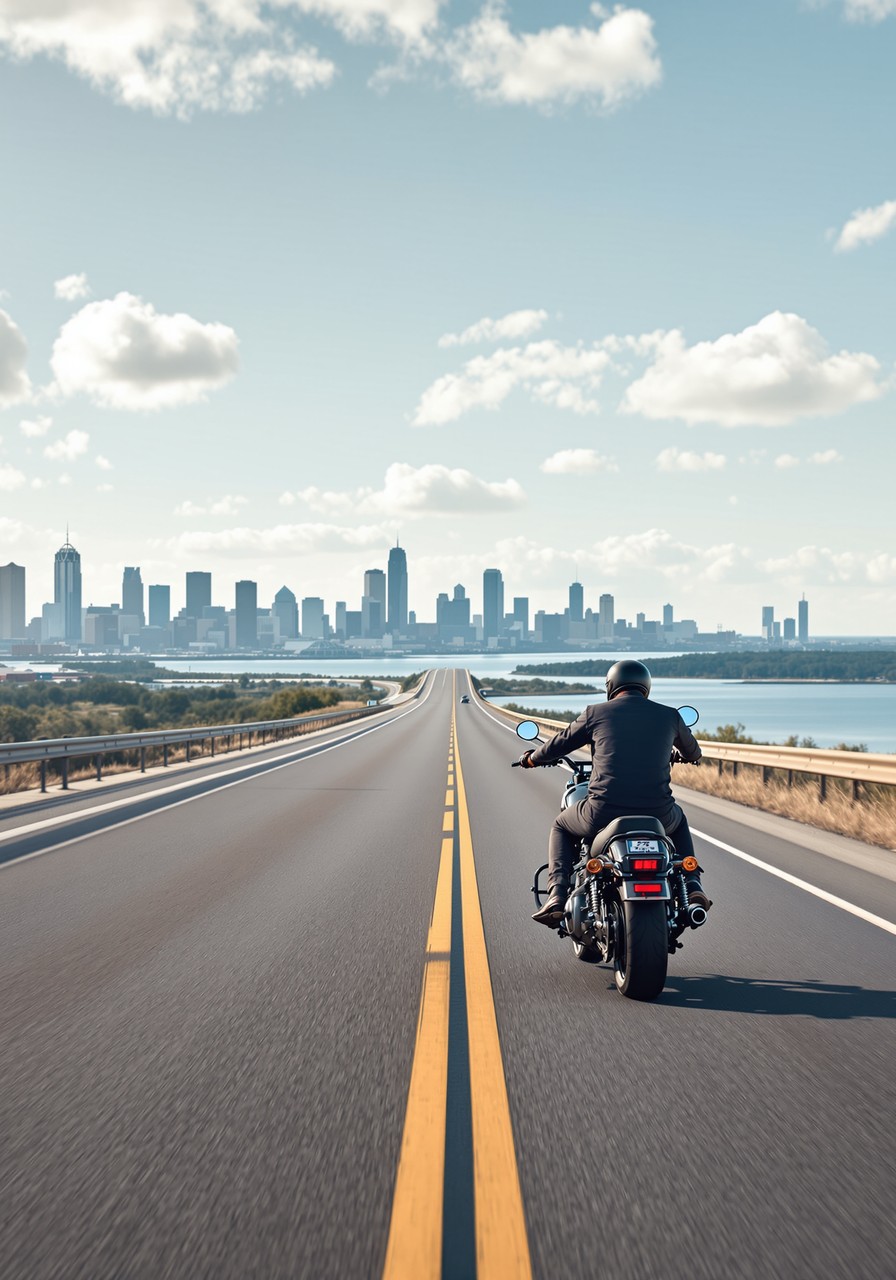
See you back out on the road, Ride Nation Buffalo. Spring is coming, the roads will dry, and the list is long. Where are you going first? #RideNationNY #BuffaloRiders #WNYRiders
Gear & New Iron
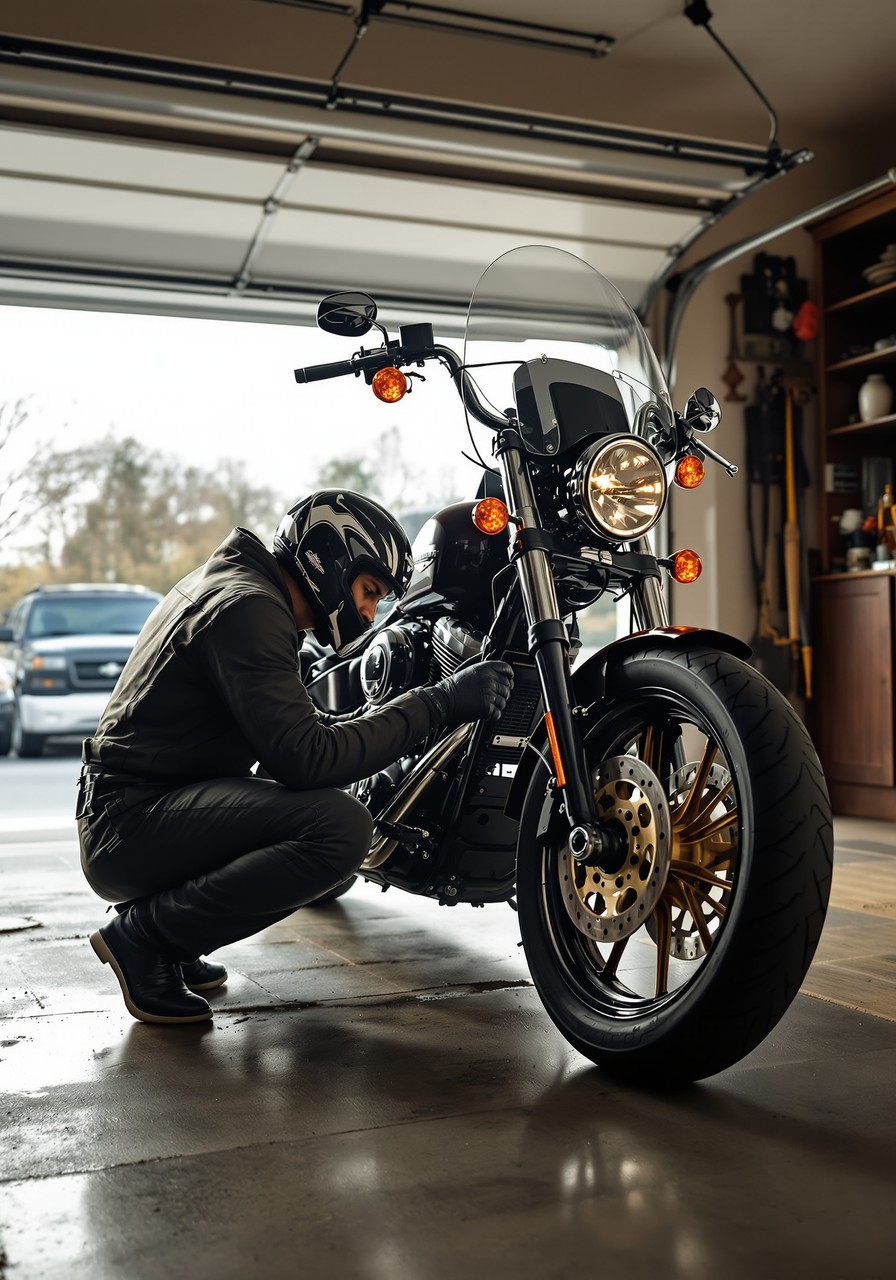
A new bike means gear worth upgrading too. Fresh riding pants and gloves are part of the total price. #RideNationNY #NewIron #GearUp #BikerLife
Safety & NY Law
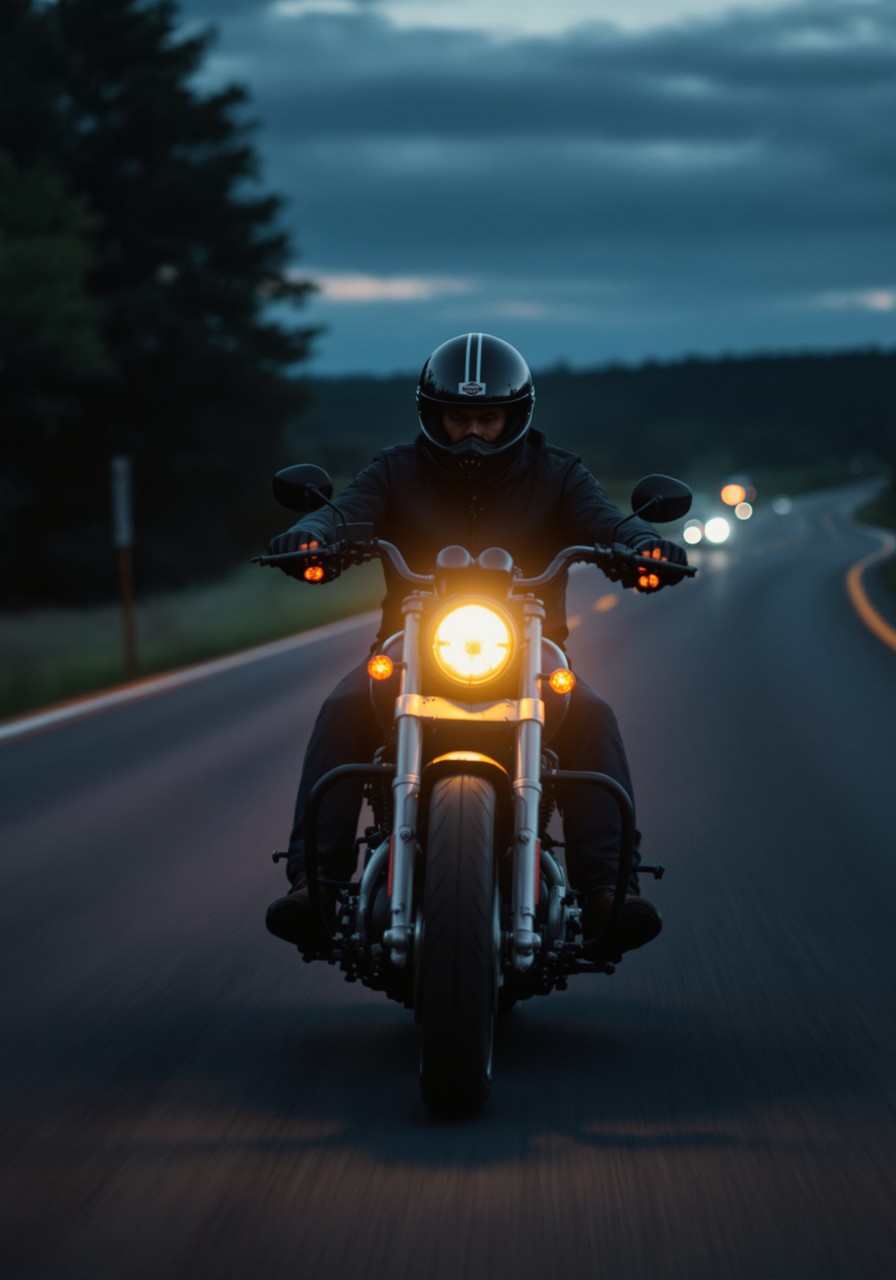
A camera on your bike is cheap protection. Clear footage can back up your side of the story. Learn your rights with a free case review at 866nicotra.com. #RideNationNY #WNYRiders #RiderRights